
Global tensions spike as Russian energy strikes continue and new travel restrictions emerge. World leaders now face urgent tests of their diplomatic power.
Tensions rise as world leaders navigate a complex web of military strikes and health crises. Recent events show how quickly regional problems become global worries. From energy grids to travel bans, nations must act fast to protect their people.
Russia launched fresh attacks on Ukrainian power plants this week. Meanwhile, travel rules shift across the globe due to rising health fears. Leaders now struggle to keep the peace while managing these new dangers.
Why this matters
Energy security remains a top concern for every major nation today. When power grids fail, hospitals and homes lose vital electricity. This creates a dangerous ripple effect for all citizens.
Also, international travel rules affect the movement of people and goods. A single virus outbreak can force countries to close their borders. This stops trade and separates families across the globe.
Finally, these events test the power of U.S. foreign policy. President Trump recently claimed an energy truce existed between Russia and Ukraine. The ongoing strikes suggest that these agreements face many hurdles.
Conflict and Energy Infrastructure
Russian forces hit six Ukrainian energy sites on Monday. President Zelensky reported that these strikes damaged gas stations and power grids. He stated that 33 people suffered injuries during the attacks.
However, these strikes occurred shortly after a declared energy ceasefire. The truce intended to stop attacks on vital power systems. Ukraine now deals with blackouts in cities like Izyum and Kharkiv.
Meanwhile, a drone struck a large building in Kyiv. Mayor Vitali Klitschko confirmed one death and eleven injuries from this event. Emergency crews continue to work at the scene to help victims.
Travel and Policy Shifts
New health concerns force many nations to update their travel rules. Officials now monitor Ebola risks to prevent a wide spread. These rules impact how passengers move across international borders.
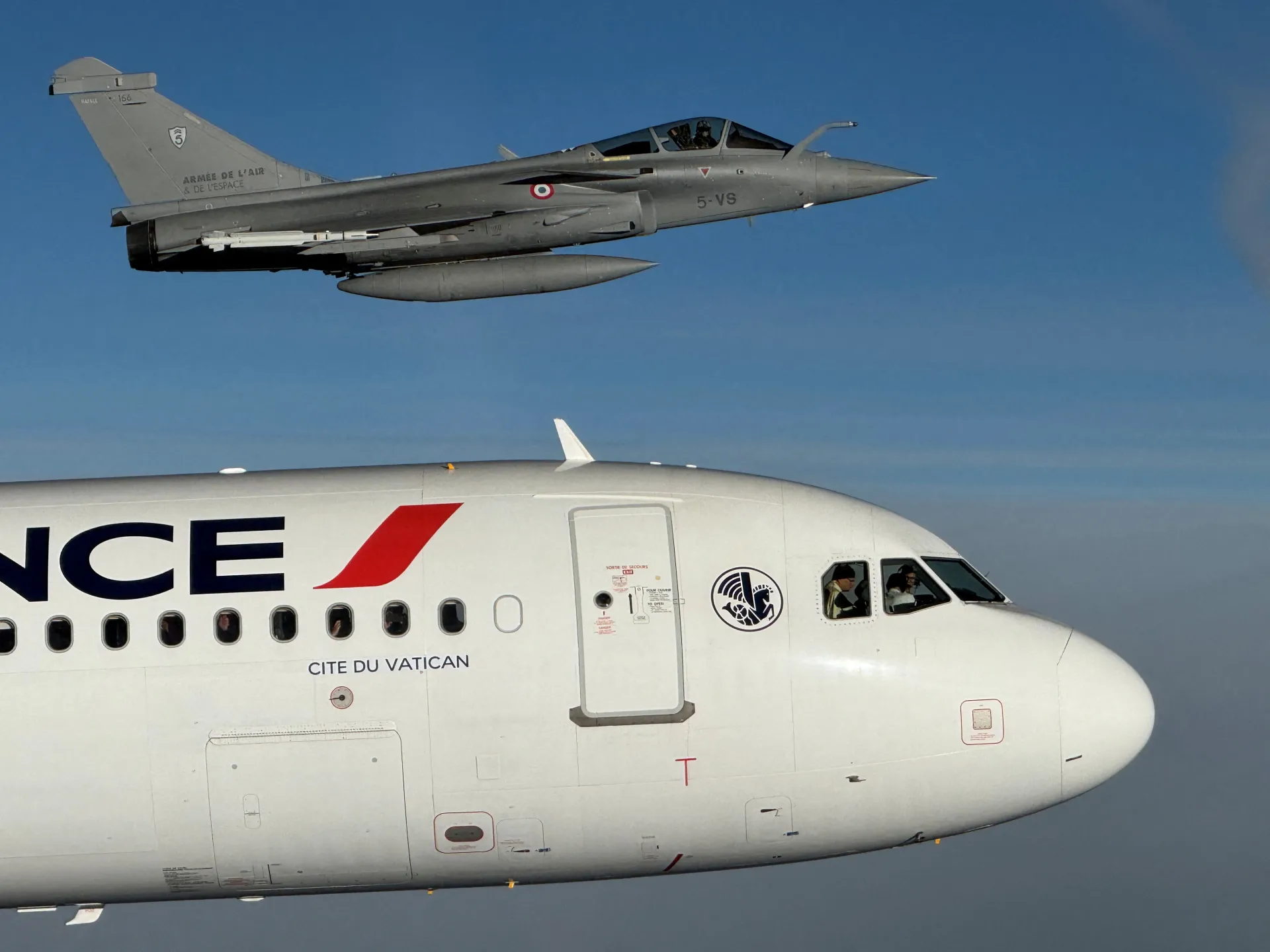
Also, Air France faces pressure regarding its crew policies. The airline must follow entry rules set by the countries it serves. This creates legal questions about how companies handle foreign laws.
After that, other industries face similar challenges with changing regulations. Companies must balance safety with the need to serve customers. Leaders in every sector watch these shifts very closely.
How we got here
What happens next
Analysts expect further pressure on global fuel prices. The ongoing damage to energy equipment forces Ukraine to ration electricity. This will likely cause more economic pain for the region.
Next, the U.S. government faces a challenge to enforce its diplomatic deals. President Trump must decide if he will seek deeper talks with Moscow. His success depends on whether Russia respects future agreements.
Finally, health agencies will monitor the travel situation for new developments. Countries may add more screening steps at airports and border crossings. Travelers should prepare for potential delays in the coming weeks.