
Nepal struggles to rescue trapped trekkers after deadly floods, while Japan implements strict new fees for foreign residents seeking permanent status.
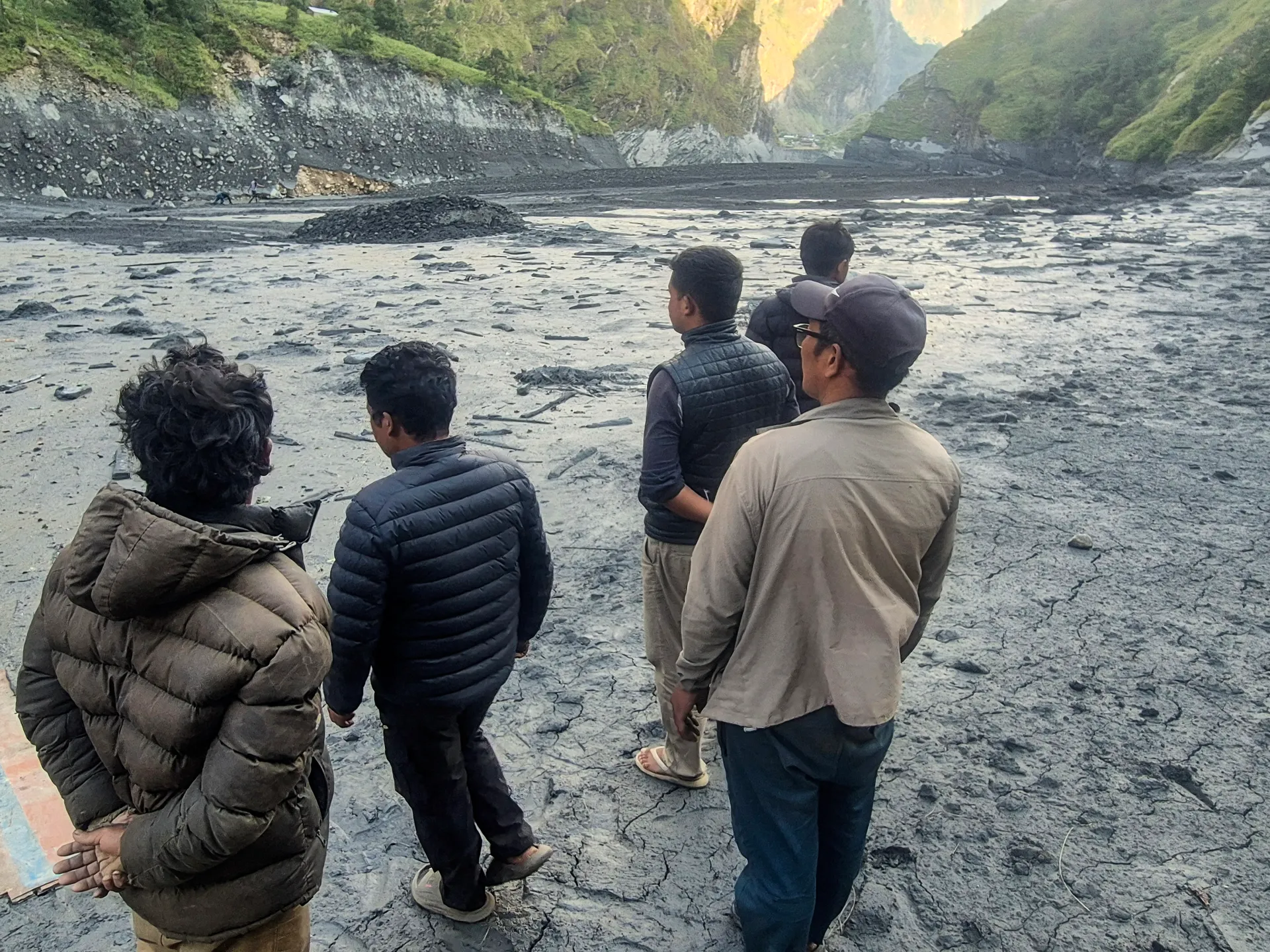
Heavy floods in Nepal left over 100 foreign trekkers stuck in the Gorkha region. A sudden landslide blocked paths and trapped visitors near the Budhi Gandaki River. Officials report that dozens of houses washed away during the surge.
Meanwhile, Japan is changing its rules for people moving to the country. The government raised permanent residency fees by 20 times the previous cost. New policies now require higher income and better language skills for all applicants.
Why this matters
These two events show how different countries handle sudden pressure. Nepal faces a physical challenge from nature that hurts its tourism economy. The floods damaged local homes and important hydropower projects.
Also, Japan faces a social challenge due to its shrinking workforce. Prime Minister Sanae Takaichi wants to keep the country orderly while growing its foreign population. These strict rules reflect fears about rapid social change in Japan.
Both nations are dealing with the reality of a changing world. Nepal must fix its broken roads to its travelers. Japan must balance its need for workers with public worry over immigration.
Disaster in the Himalayas
The floods hit the Manaslu area after a dry landslide caused a surge. The Budhi Gandaki River rose quickly and swept away 45 homes. Five people are still missing after the water destroyed parts of local villages.
Next, rescue teams are working to reach the trapped tourists. The landslide made travel impossible for many hikers in the high mountains. Authorities are trying to clear the debris to ensure everyone stays safe.
New Immigration Rules in Tokyo
Japan started these new fee rules on October 1. A permanent residency permit now costs 200,000 yen. That is about 1,270 U.S. dollars for each applicant.
However, the government offers discounts for refugees or people facing hard financial times. Applicants must also prove they earn at least the average Japanese salary. This change follows a five-fold increase in visa fees earlier this summer.
After that, long lines appeared at immigration offices across Tokyo. Some people waited over seven hours to submit their paperwork. Many hoped to finish their applications before the price hike took effect.
How we got here
- July 2026: Japan raises visa fees by five times to help cover rising costs.
- October 1, 2026: Japan implements a massive fee hike for permanent residency applications.
- October 12, 2026: A dry landslide triggers flash floods along the Budhi Gandaki River in Nepal.
- October 13, 2026: Officials confirm that over 100 foreign trekkers remain stranded in the Gorkha region.
What happens next
In Nepal, rescue efforts will focus on moving people out of the flood zone. Officials must also assess the damage to local hydropower plants. These projects are vital to the region's power supply.
Finally, Japan will likely monitor the impact of its new immigration policy. The government wants to see if these barriers slow the growth of its foreign population. Leaders will observe how these changes affect the labor shortage in the coming year.