
Residents and warring nations are challenging the growth of data centers. These facilities now face intense pressure over water use and physical security.
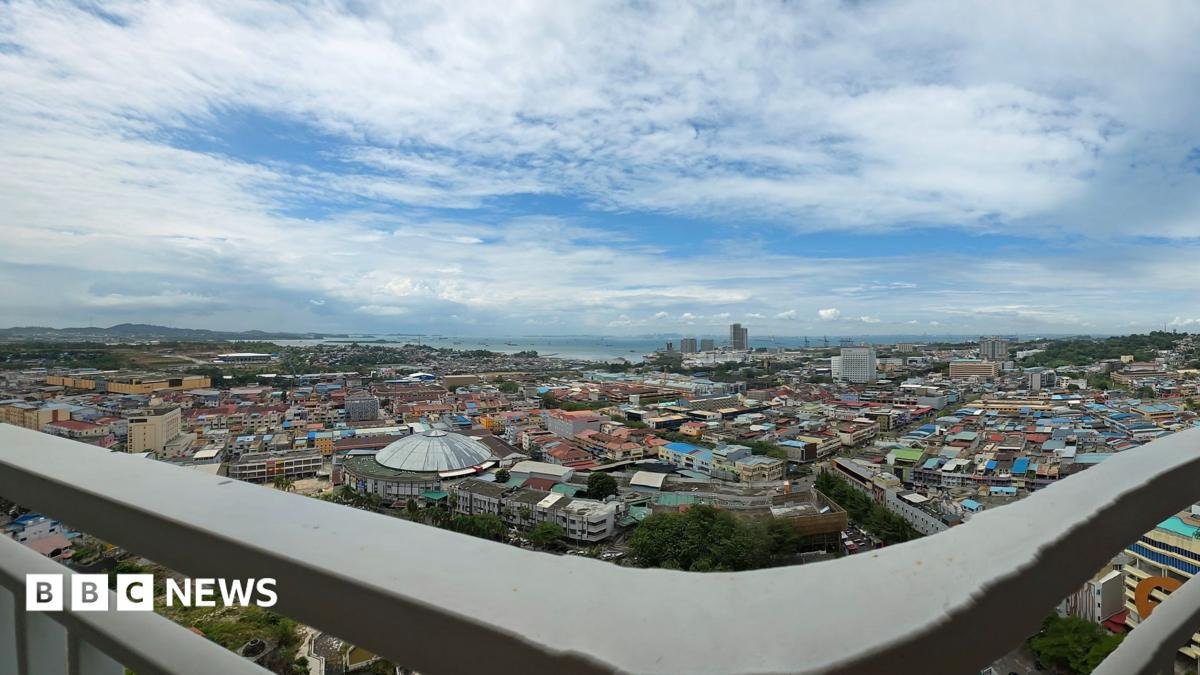
Tensions rise as global communities confront the heavy cost of digital infrastructure. Residents on the Indonesian island of Batam recently stormed a data center compound. They demanded water access as their local supply dwindled.
Meanwhile, thousands of miles away, war zones target similar facilities. Drones recently struck a major Yandex data hub in Russia. These events highlight the growing risks and demands placed on modern technology centers.
Why this matters
Data centers keep our modern world running. They process everything from bank records to social media posts. However, these facilities consume massive amounts of electricity and water.
For example, a typical center uses 300,000 gallons of water every day. This equals the daily use of 1,000 American households. These massive buildings also require constant cooling to keep servers from failing.
Also, the physical presence of these sites changes local environments. Communities often complain about noise, bright security lights, and depleted natural resources. This creates a difficult balance between tech growth and human needs.
Finally, data security is becoming a physical concern. Countries are now using digital infrastructure as targets during conflict. This adds a new layer of danger for companies building large server farms.
Increasing friction over resources
In Batam, residents say their taps have been dry for months. They blame the new Nongsa Digital Park for the shortage. The local water utility is now struggling to meet demand.
However, trade officials in Batam deny the link to data centers. They blame the water crisis on a long dry spell. The government now requires new firms to build desalination plants.
Still, experts argue that transparency is the main problem. Companies often hide data on how much water they use. This lack of clear numbers makes it hard to solve the conflict.
Meanwhile, the global demand for artificial intelligence pushes more building. Tech giants pour billions into new infrastructure despite these local protests. This trend shows no sign of slowing down soon.
How we got here
- 1978: Satellite tracking of Arctic sea ice begins.
- 2007-2026: Scientists record the twenty lowest sea ice levels in history.
- 2025: NASA’s James Webb Space Telescope discovers Supernova Athena.
- August 2026: Initial protests against data centers break out in Batam.
- September 2026: Arctic sea ice hits its annual minimum extent.
- October 2026: A drone strike hits the Yandex data hub in Sasovo, Russia.
What happens next
Authorities will likely tighten rules for new data center projects. They may force companies to prove they will not harm local water supplies. This will increase costs for tech firms.
Also, the fight over data infrastructure will spread. More communities will likely challenge the building of these windowless facilities. Expect to see more public pushback globally.
Finally, security will become a top priority for tech companies. They will spend more money to protect their hubs from physical attacks. The future of the internet remains tied to these vulnerable locations.