
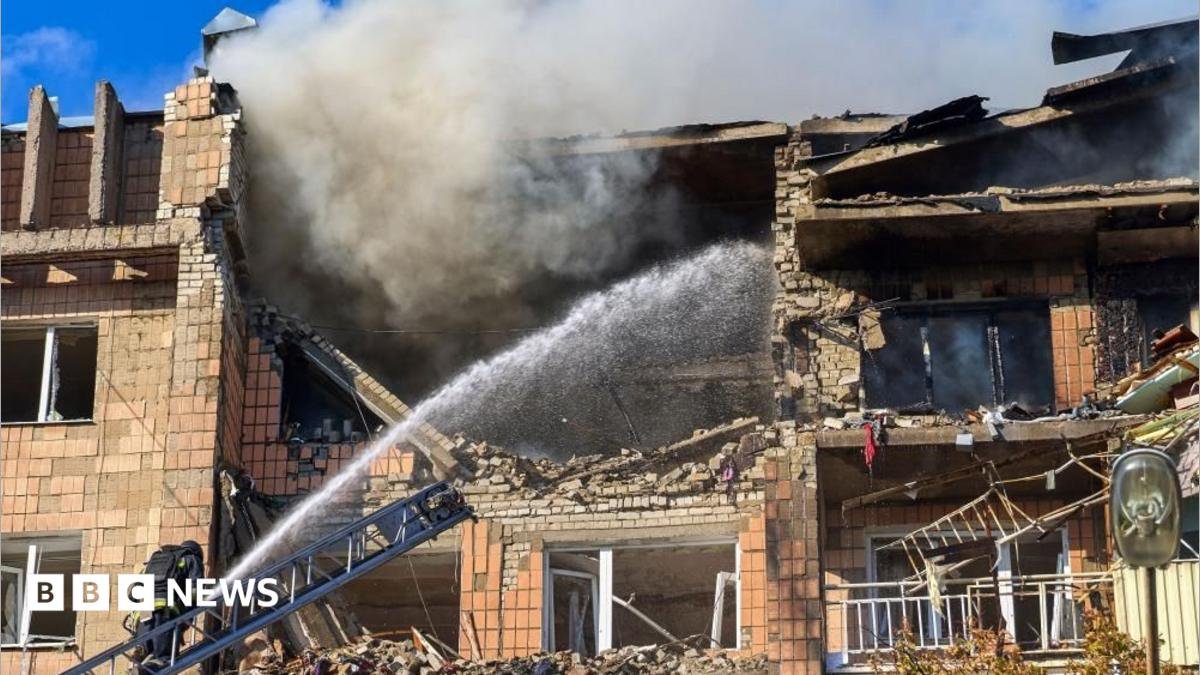
Russian strikes hit Ukrainian power infrastructure shortly after a ceasefire announcement. President Zelensky reports multiple injuries and severe damage to grids.
Russia launched fresh attacks on Ukrainian energy sites this week. President Donald Trump claimed a ceasefire began on Sunday. President Volodymyr Zelensky says Moscow ignored the truce immediately.
The strikes damaged power grids and caused blackouts in multiple regions. At least 33 people suffered injuries during these attacks. Kyiv reported a drone strike hit a large residential building as well.
Why this matters
This conflict threatens global energy security during a fragile time. High fuel prices impact voters ahead of key elections. Leaders worry that instability could spread across international borders.
Also, the situation creates a divide between U.S. policy and reality on the ground. President Trump plans to import Russian diesel to lower costs. President Zelensky calls this move a gift to his enemy.
Furthermore, these events set a tense tone for future diplomacy. Many world leaders watch these developments with great concern. They fear that broken promises will fuel more violence in the region.
Attacks on Infrastructure
Russian missiles targeted energy facilities throughout Ukraine. These sites include power plants and fuel storage stations. Operators now force electricity rationing to protect the damaged grid.
Meanwhile, the city of Izyum faces severe power shortages. Experts say the damage to regional equipment is significant. Crews struggle to repair the lines while new strikes occur.
Later, a drone hit a 25-story building in Kyiv. Mayor Vitali Klitschko confirmed the death of one person. At least 11 other people were wounded in that specific explosion.
Diplomatic Tensions Rise
President Trump says he forced both sides to agree. He stated the war must end soon due to the high costs. He also claims the agreement is effective immediately.
However, Zelensky says the truce news was a surprise to him. He expressed support for the plan but questioned Russian compliance. Russia’s Foreign Minister says Ukraine does not deserve any pause.
Also, the U.S. plan to import Russian diesel changes the trade landscape. Critics argue this move undermines the pressure on Moscow. The White House maintains that this helps manage domestic prices.
How we got here
What happens next
International observers expect the energy war to continue. Neither side seems ready to stop hitting critical infrastructure. This cycle of attacks will likely worsen the humanitarian crisis.
Next, the U.S. government must address its plan for Russian diesel imports. Opposition leaders will likely challenge the decision in Congress. Global markets will react to these shifting energy policies.
Finally, diplomats will search for a way to enforce the truce. Success depends on whether Russia decides to respect its commitments. Without a change, the winter months will be difficult for many Ukrainians.