
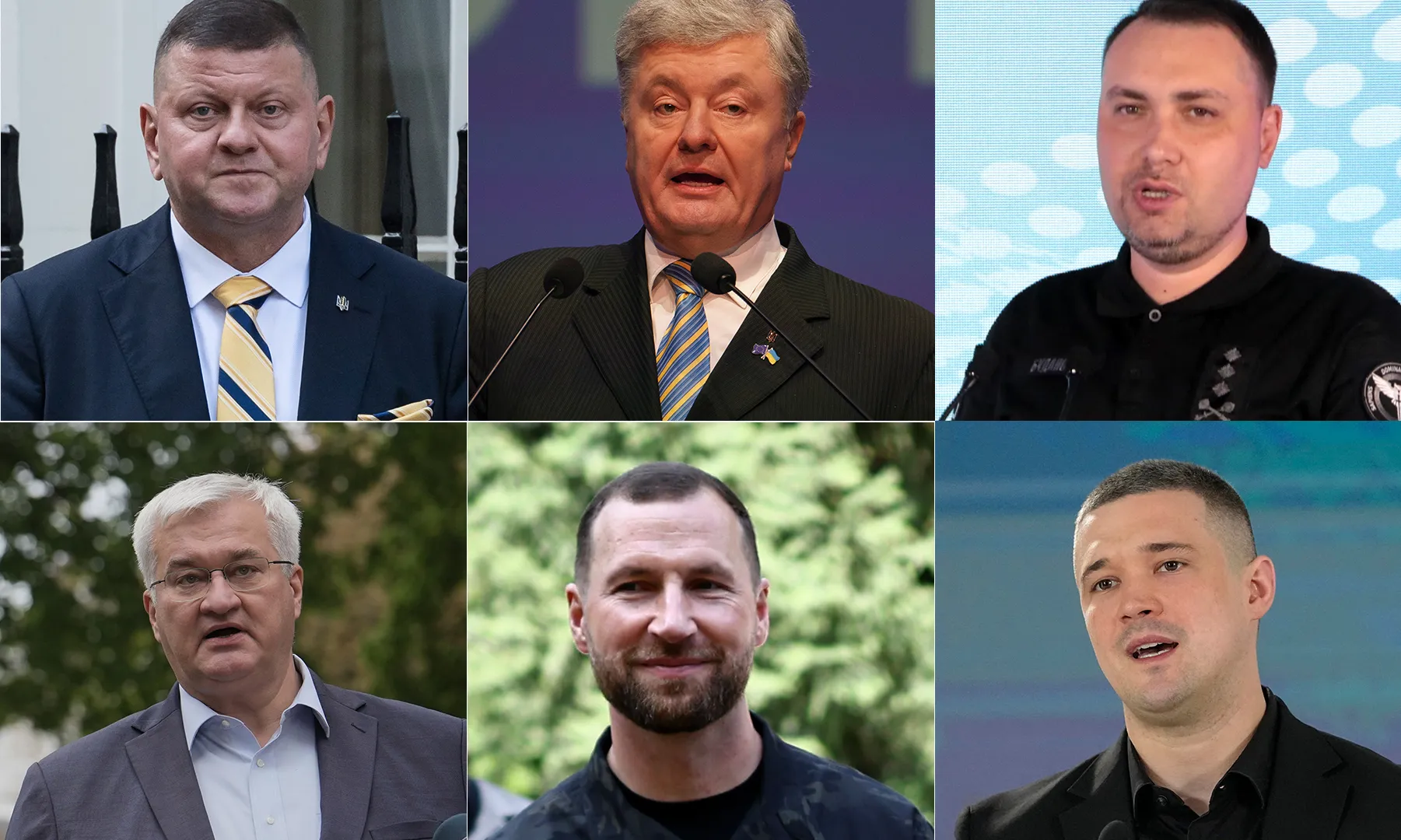
President Trump demands new leadership in Ukraine while announcing a disputed energy ceasefire with Russia.
President Donald Trump recently urged Ukraine to choose a new leader. He criticized President Volodymyr Zelenskyy for failing to make a deal with Russia. Trump claims this change is necessary to end the ongoing conflict.
Meanwhile, Trump announced an immediate energy ceasefire between Russia and Ukraine. He says both nations agreed to stop targeting energy infrastructure. However, he provided no specific details on the agreement.
Why this matters
This situation marks a major shift in United States foreign policy. Trump prioritizes domestic fuel prices ahead of the upcoming midterm elections. His decision to ease sanctions on Russian diesel creates friction with key allies.
Also, this policy creates a rift between the White House and Kyiv. The U.S. faces pressure to balance global energy needs with support for Ukraine. Experts worry this move undermines Ukraine’s ability to limit Russian war funding.
Disputed Ceasefire and Ongoing Attacks
President Zelenskyy expressed surprise at the sudden announcement of a truce. He later stated that Ukraine would support the plan if Russia followed suit. Still, Russia has not officially commented on the deal.
After the announcement, Ukraine reported new Russian drone strikes on power plants. These attacks hit facilities in Kyiv and the Kharkiv region. Zelenskyy noted these strikes happened after Trump’s declaration.
Furthermore, Trump wants Ukraine to stop attacks on Russian oil sites. He argues these strikes hurt the global fuel supply. Kyiv maintains these attacks remain vital to weaken Russia’s economy.
Tensions Over Diesel and Leadership
Trump’s push for a new Ukrainian president follows weeks of heated debate. He blames Zelenskyy for the lack of a formal peace deal. Some observers see this rhetoric as a way to distance the U.S. from Ukraine.
Next, the decision to allow Russian diesel imports draws heavy criticism. Both European officials and some U.S. Republicans oppose this move. They view the deal as a major gift to the Kremlin.
Finally, the economic impact of the war remains a top concern for American voters. High fuel prices fueled inflation across the country. Trump hopes the new diesel supply will lower costs for consumers.
How we got here
- Early 2026: The conflict with Iran disrupts global energy markets and raises fuel prices.
- Mid 2026: The U.S. government faces political pressure due to rising costs for diesel.
- October 2026: Trump announces a deal to temporarily lift sanctions on Russian diesel imports.
- October 11, 2026: Trump claims an immediate energy ceasefire exists between Russia and Ukraine.
- October 12, 2026: Zelenskyy reports new Russian strikes on energy infrastructure despite the supposed truce.
What happens next
Observers expect further tension between the U.S. and Ukraine. Zelenskyy likely will ask for clear terms regarding the ceasefire agreement. The White House must explain how it will verify Russian compliance.
Also, international leaders will watch the diesel deal closely. Its success depends on whether it actually lowers pump prices in the U.S. If prices stay high, political pressure on the administration will grow.
Finally, the call for new Ukrainian leadership may complicate future diplomatic talks. It remains unclear if this rhetoric signals a permanent change in U.S. support. The coming weeks will show if the truce can actually hold.