
This report examines climate data in the Antarctic, new aviation safety research, and the anniversary of a major conflict in the Middle East.
October 2026 brings diverse reports on the state of our planet and its history. Scientists recently tracked record-low Antarctic sea ice. Meanwhile, researchers are working to make air travel safer.
Also, communities in the Middle East are marking a solemn anniversary. These events shape our understanding of the world today. Each story highlights the need for careful study and reflection.
Why this matters
Data from our environment and aviation safety research provide vital insights for the future. Understanding climate patterns helps us prepare for long-term changes. Meanwhile, tracking safety developments saves lives in the air.
Also, remembering past conflicts gives voice to those affected by tragedy. These records help society process grief and seek peace. Every detail matters when we look at the big picture.
Changes in the Antarctic climate
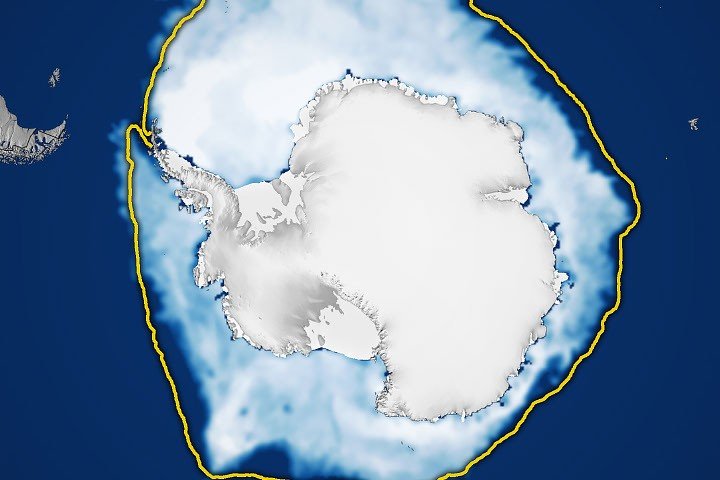
Antarctic sea ice reached its yearly peak on September 14, 2026. Experts noted this was the third-lowest maximum on record. The ice covered 17.59 million square kilometers at that time.
However, the trend for Antarctic ice is not clear. From 1979 to 2014, the ice actually grew slightly each decade. The pattern changed in 2015 when large decreases began to appear.
Also, scientists saw record-low levels in 2023. Experts now watch the area closely each year. They want to know if these changes are part of a long-term shift.
New steps in aviation safety
NASA is studying a rare danger for airplanes called supercooled large droplet icing. These clouds contain very cold water drops that do not freeze until they touch a surface. This can cause ice to build up on parts of a plane.
Next, NASA researchers are using a special tunnel in Cleveland to test this. They want to help the aviation industry design better planes. Current tools work for normal clouds but struggle with these large drops.
After that, the team will improve their testing equipment. They hope to better understand the physics of these water drops. This research aims to stop dangerous ice buildup during flights.
Reflecting on a painful history
Many in Israel marked the third anniversary of the October 7 attacks this month. Residents of Kibbutz Nir Oz visited their former homes to remember their neighbors. The community suffered great losses during the violence in 2023.
Then, survivors shared stories of the fear they felt that day. Bullet holes still mark the doors of their homes. Red and black stickers on postboxes show who died or was kidnapped.
Finally, the people of Nir Oz look for ways to honor those they lost. They want to keep the memory of their friends alive. Their stories remain a central part of the regional conversation.
How we got here
- 1979-2014: Antarctic sea ice grew by about 1 percent per decade.
- 2012-2014: Satellites measured record highs for winter sea ice extent.
- 2015: The trend of increasing Antarctic sea ice ended.
- 2016: Significant decreases in sea ice began to occur.
- 2023: Record low minimum and maximum ice levels occurred in the Antarctic.
- October 7, 2023: Hamas-led attacks devastated the community of Kibbutz Nir Oz.
- June 2026: NASA conducted initial tests on ice drop detection probes.
- September 14, 2026: Antarctic sea ice reached its annual maximum extent.
What happens next
Scientists will continue to collect data on the Antarctic ice. They need more years of study to confirm a permanent decline. This long-term monitoring is essential for climate research.
Also, the aviation industry will likely update its safety manuals. NASA’s findings will guide the next generation of aircraft designs. Engineers will work to protect planes from rare, icy conditions.
Finally, communities affected by the 2023 attacks will continue their healing process. Remembrance events will likely remain a focus for many families. Peace efforts may continue as nations seek to resolve ongoing tensions.