
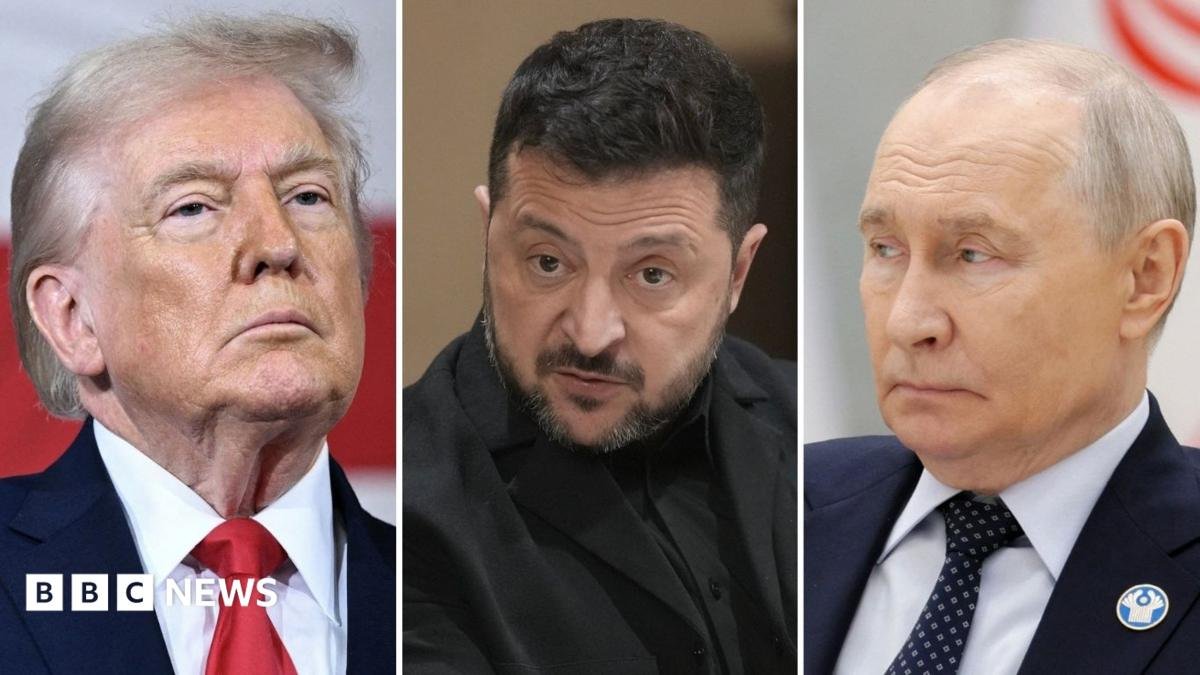
President Trump announced an energy ceasefire with Russia, but Ukraine reports ongoing attacks on its power plants.
President Donald Trump recently announced an immediate energy ceasefire between Russia and Ukraine. He claims both nations agreed to stop attacks on energy infrastructure. However, Ukrainian officials say they remain in the dark about the details.
President Volodymyr Zelensky expressed surprise at the sudden announcement. He noted that Russian drone strikes hit power plants shortly after the claim. These strikes caused power cuts in Kyiv and the Kharkiv region.
Why this matters
This deal aims to lower diesel prices for American drivers before midterm elections. Higher fuel costs have hurt the president's popularity at home. Many experts worry this move undermines Ukraine's fight for survival.
Also, the agreement creates a complex diplomatic situation. It temporarily lifts sanctions on Russian oil imports. Critics argue this move essentially helps fund the Russian war effort. These policies may change how Western allies view the conflict.
Meanwhile, the global market reacts to these changing supply lines. Disruptions in energy flow often cause inflation across many sectors. Ordinary citizens feel the impact through higher prices at the store. Stable energy supplies remain a top goal for international leaders.
Current Status of the Agreement
Trump wants Ukraine to stop hitting Russian oil sites. He argues these strikes hurt the global market and drive up costs. Kyiv previously used these attacks to reduce Russia's ability to finance its military. The two sides now face a major divide in strategy.
Still, the United Kingdom, France, and Canada support the call for a ceasefire. Prime Minister Andy Burnham stated that Britain backs the move fully. These nations hope a pause prevents further damage to critical power infrastructure. They seek a pathway toward broader stability in the region.
However, the reality on the ground appears quite different. Zelensky says Russia ignored the call for a pause. He continues to ask for clear terms regarding the dialogue between Washington and Moscow. Reliable communication remains a major hurdle for all parties involved.
How we got here
- Early 2026: War between Iran and regional powers drives up global oil and diesel prices.
- Mid 2026: Both Ukraine and Russia target energy facilities to weaken the other’s economy.
- October 2026: President Trump announces a diesel deal with Russia to lower domestic fuel costs.
- October 11, 2026: Trump claims an immediate energy ceasefire exists, though Russia offers no public confirmation.
What happens next
Next, the White House must clarify if Russia actually agreed to these terms. Officials have yet to release specific documents or proof of a deal. Observers will watch to see if Russia halts future drone strikes.
After that, the political fallout from the diesel deal will likely grow. Members of the president's own party have expressed concern about the policy. Expect more debate in Congress regarding the lifting of sanctions on Russian oil.
Finally, military analysts will monitor the front lines for signs of actual restraint. If attacks continue, the ceasefire will exist in name only. Both nations have much to gain or lose from these energy politics.