
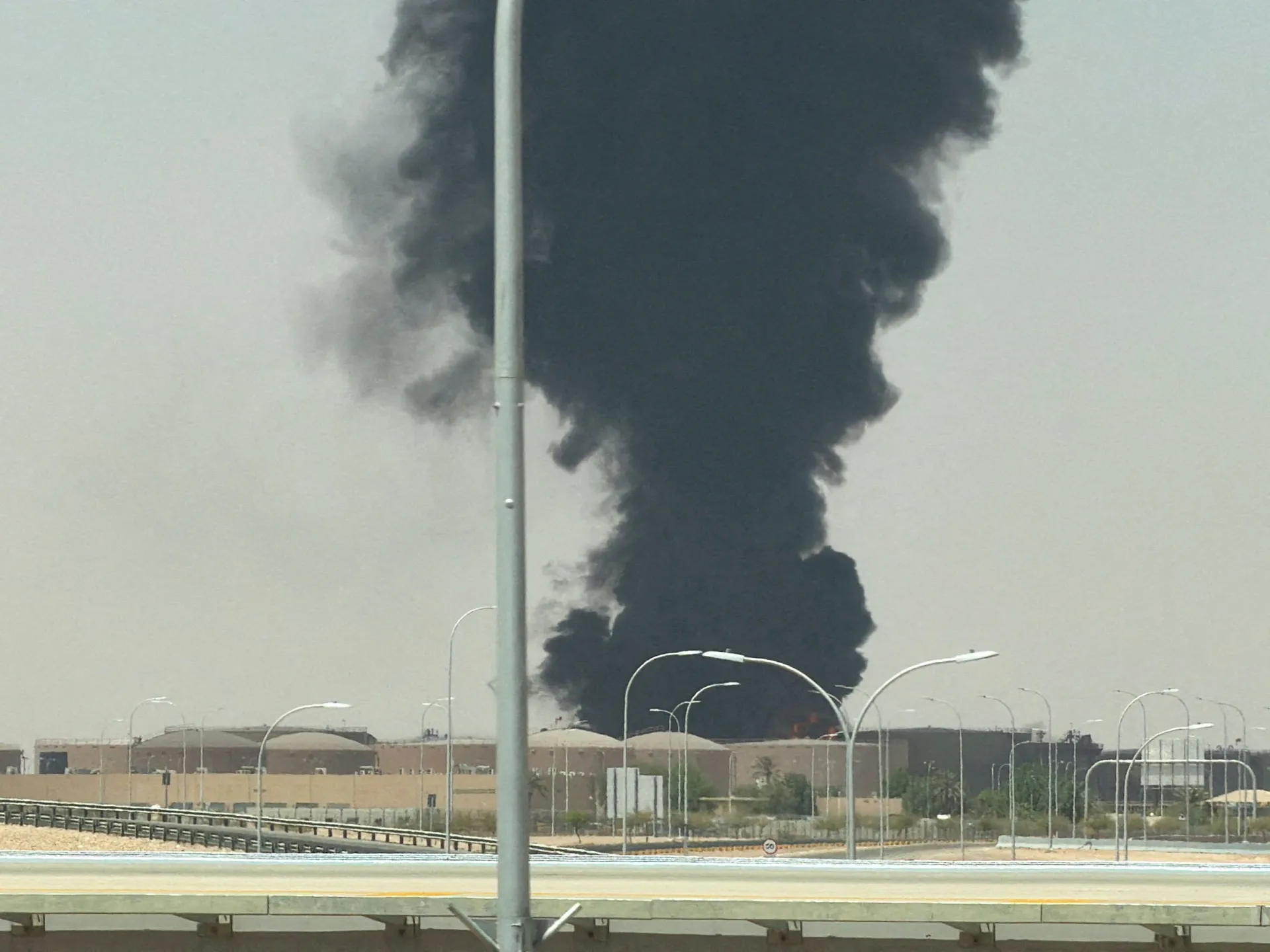
Conflict in the Middle East escalates with new attacks on Saudi infrastructure, while NASA invests in communication technology for upcoming lunar missions.
Recent events show a world moving in two directions at once. While conflict grows in the Middle East, space researchers look to the stars. Both developments define the current global landscape.
Meanwhile, the Houthi movement has increased its military actions. These fighters recently attacked a major airport in Saudi Arabia. This escalation marks a dangerous shift in regional stability.
Why this matters
This situation highlights the fragile nature of modern peace. Nations must now manage local threats while pursuing global progress. The Houthi attacks disrupt air travel and regional trade.
Also, these events force world leaders to rethink their security strategies. Continued fighting threatens to draw more countries into the war. Stability in the Middle East is vital for the global economy.
Still, scientific progress provides a different focus for humanity. NASA continues its work to improve technology for future space missions. These projects create jobs and expand our knowledge of the universe.
Expanding conflict in the Middle East
The Houthi group recently launched a strike on King Khalid International Airport. Smoke rose from the fuel storage area after the attack. This event signals a major rise in regional aggression.
However, the full impact of the strike remains under review. Reports from the area confirm the damage to the fuel facility. Military leaders now monitor the borders for further incursions.
Next, international observers will watch the Houthi push for more territory. The group aims to challenge existing power structures in the region. This expansion creates an urgent need for diplomatic intervention.
New technology for lunar missions
NASA recently awarded a large contract to the Modulate Space Corporation. The project focuses on building 5G systems for the Moon. This technology will support future lunar surface operations.
Also, the plan includes the use of Wi-Fi 6 for astronauts. The total cost of this contract is roughly $38 million. These tools will help teams communicate during long stays on the Moon.
Finally, scientists also study unique rocks here on Earth. Astronauts recently photographed a rare rock type in southern Madagascar. This rock, called anorthosite, helps experts understand how the Moon formed.
How we got here
- August 28, 2026: An astronaut aboard the International Space Station captures images of unique rock formations in Madagascar.
- September 19, 2026: A fire breaks out at the King Khalid International Airport in Saudi Arabia after a Houthi attack.
- September 30, 2026: NASA announces a new contract to develop 5G and Wi-Fi systems for lunar exploration.
- October 11, 2026: News reports confirm that fighting between the Houthis and Saudi forces continues to spread.
What happens next
Future developments in the Middle East depend on upcoming diplomatic talks. Experts suggest that Saudi Arabia may increase its defensive posture. This could lead to a cycle of ongoing retaliation.
Then, the progress of the lunar communication project will continue through 2028. NASA will test this hardware to ensure it works in harsh conditions. These steps are essential for long-term Moon bases.
Finally, the world will watch both the battlefield and the laboratory. Success in space requires a stable world on Earth. Both paths remain critical for the coming years.