
A surge in cargo-related incidents spans from a deadly plane crash in Florida to a military strike in the Gulf of Oman.
Why this matters
Transport networks rely on safety and clear rules to function. When these systems fail, the results are tragic or tense. Recent events show how cargo movement affects national security and public safety.
Also, these incidents highlight the risks in our global supply chain. Air, sea, and space transit all face unique dangers. Authorities must work hard to keep these routes open and safe.
Furthermore, the variety of these events proves that logistics reach everywhere. From a crash in Miami to a naval standoff, movement defines our modern world. Understanding these risks helps experts create better safety plans for the future.
Security and Safety Incidents
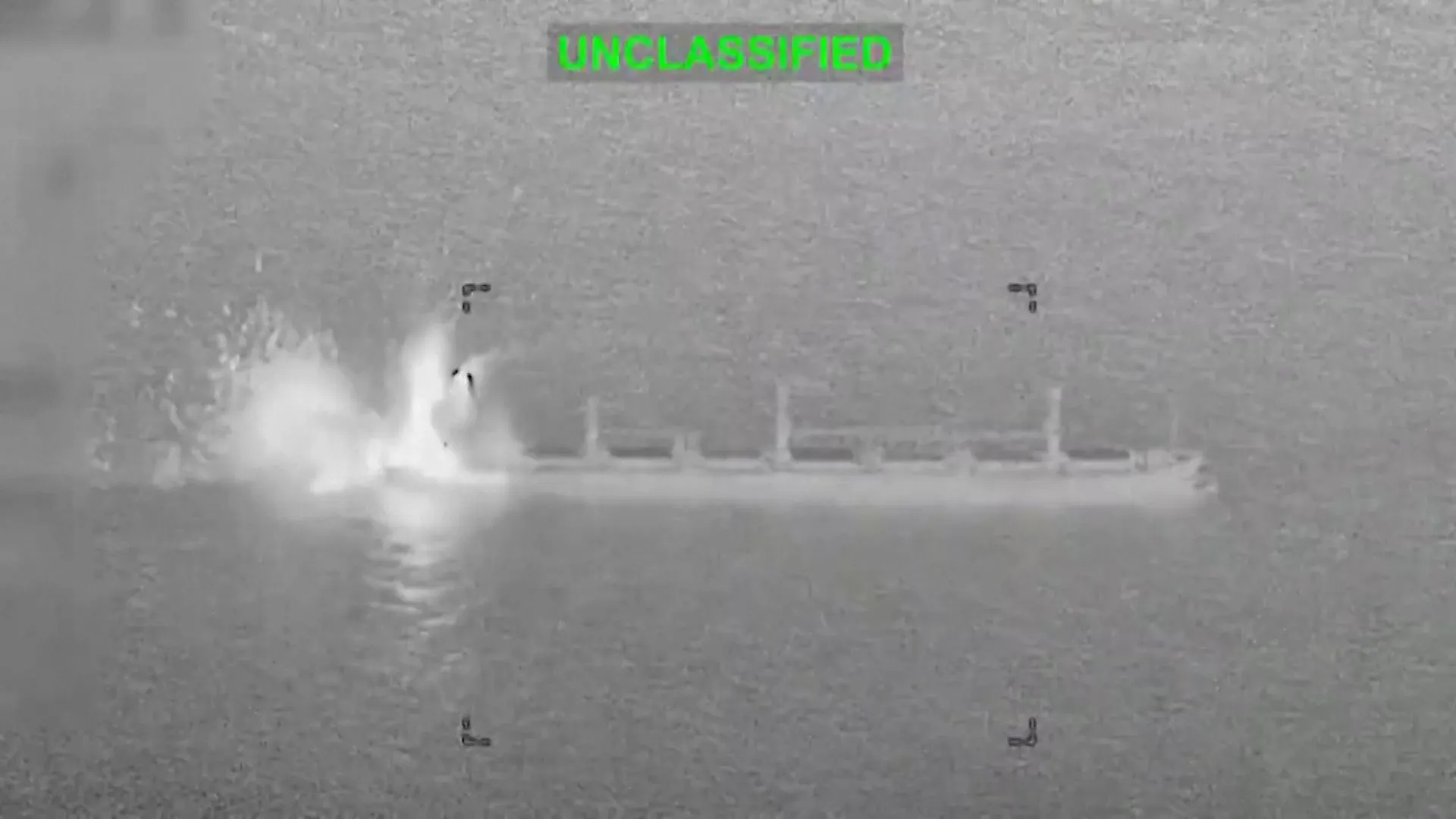
The U.S. military recently bombed a cargo ship in the Gulf of Oman. CENTCOM officials said the crew ignored warnings. The ship allegedly tried to break a blockade near Iranian ports.
Meanwhile, federal investigators continue to look into a deadly Amazon cargo plane crash in Miami. The Boeing 767-300 overshot a runway this past September. It hit a van and killed five people on the ground.
Then, the NTSB released flight data from the crash. One pilot warned the other about excessive speed. The plane approached the runway too fast, according to the report.
After that, the report noted automated safety warnings sounded in the cockpit. These included alerts about the sink rate and altitude. The pilots did not respond consistently to these vital alarms.
Space and Science Missions
Next, NASA prepares to launch a new cargo mission to space. The agency targets a Tuesday morning liftoff from Florida. A SpaceX Falcon 9 rocket will carry over 6,300 pounds of supplies.
Also, this mission includes new solar arrays for the space station. Astronauts will also receive hardware to build artificial retinas. This research aims to help restore human vision back on Earth.
Finally, scientists are looking toward the future of space study. NASA selected a new probe mission called PRIMA. It will observe far-infrared light to study how planets and stars form.
How we got here
- September 2026: An Amazon cargo plane crashed in Miami, killing five people on the ground.
- September 2026: NASA selected the PRIMA mission for future study of cosmic objects.
- October 10, 2026: The NTSB released new flight data regarding the excessive speed of the Amazon jet.
- October 11, 2026: A U.S. fighter jet bombed a cargo ship in the Gulf of Oman.
- October 13, 2026: NASA and SpaceX scheduled the 35th commercial resupply flight to the space station.
What happens next
Now, investigators will finish their review of the Miami plane crash. They must determine if mechanical issues or human error caused the flight to fail. This report will likely lead to new training rules for pilots.
Also, the situation in the Gulf of Oman remains tense. Military leaders will likely increase patrols in the region. They want to ensure that blockades remain enforced.
Finally, NASA will continue its planned space cargo operations. The agency will monitor the docking of the latest SpaceX mission. This mission will bring vital research back to Earth by November.