
A recent tanker attack near Qatar highlights ongoing maritime dangers. Meanwhile, a worsening siege in Yemen puts hospital systems at risk of collapse.
A tanker recently suffered an attack north of Qatar. The incident happened 51 nautical miles from Madinat al-Shamal. Multiple projectiles struck the ship. This event raises new fears about safety in the Gulf region.
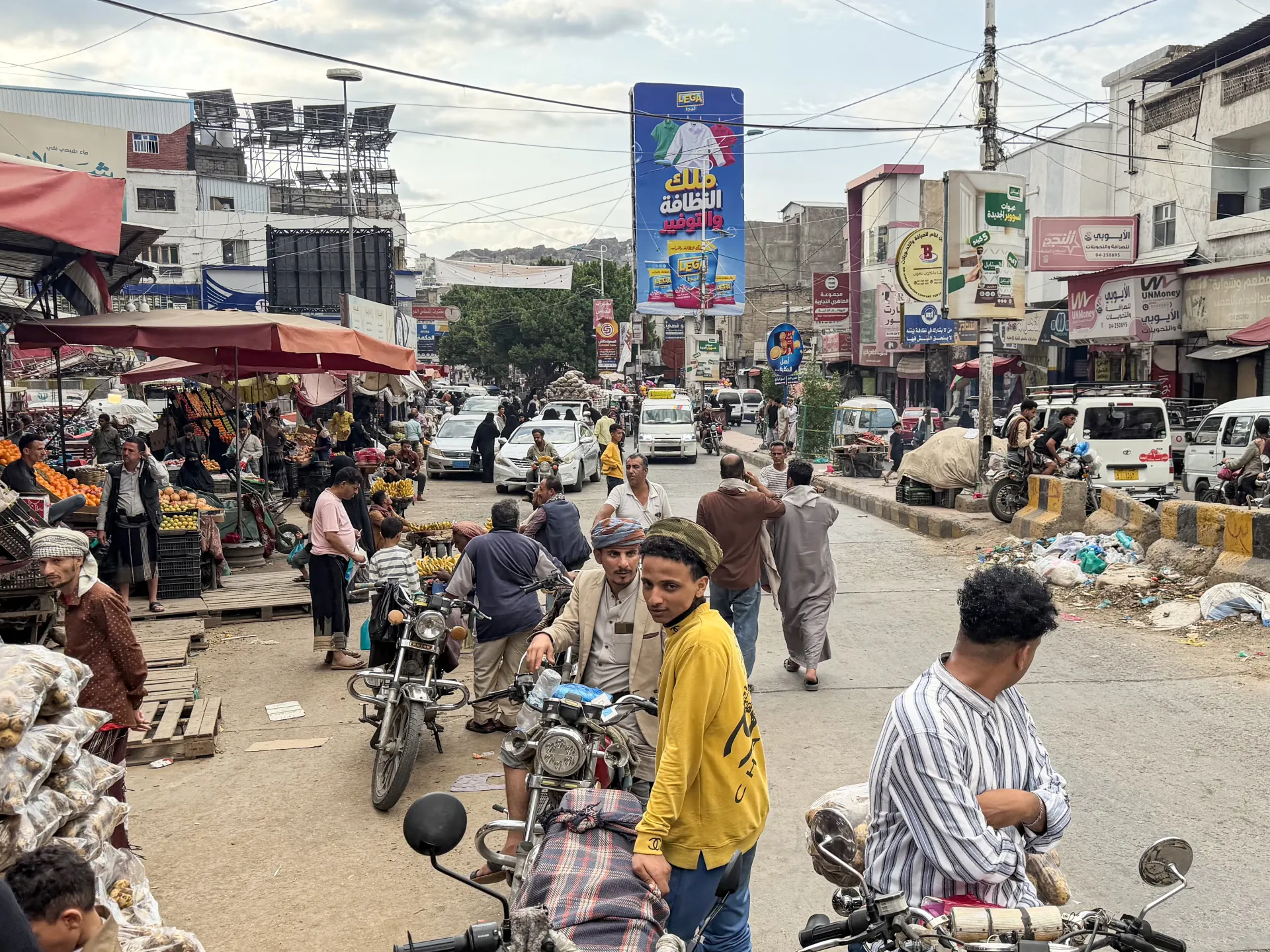
Meanwhile, the situation in Yemen remains dire. The Yemeni government reports that hospitals in Taiz face collapse. Houthi forces continue to tighten their siege on the city. These twin crises create a difficult environment for the region.
Why this matters
This attack indicates that threats to shipping are spreading. Most recent incidents occurred near the Strait of Hormuz. Now, ships face risks much deeper inside the Gulf waters. This change forces companies to rethink their safety plans.
Also, the instability affects global energy prices. Ships carry oil and gas through these busy waterways. When attacks happen, insurance costs for these vessels rise quickly. These costs eventually reach the average consumer at the gas pump.
Furthermore, the humanitarian crisis in Taiz complicates regional peace efforts. Health systems cannot function under a strict military siege. Civilians suffer when doctors lack medicine and power. This misery adds pressure to already fragile diplomatic talks.
Shipping threats and regional conflict
The maritime intelligence firm Vanguard identified the struck ship as the Acers. The vessel flies the flag of Antigua and Barbuda. Reports suggest the tanker carried oil and chemicals. The UK Maritime Trade Operations agency confirmed casualties from the strike.
Next, experts looked at the history of these attacks. Since February, Iran and the United States have been at war. Over 90 confirmed incidents have occurred in these waters since then. At least 24 seafarers have died in these violent encounters.
However, trade continues despite these constant dangers. The US military currently provides protection for many tankers. Data shows that crude exports remain near 80 percent of pre-war levels. Companies continue to accept the risk to move their products.
Escalation in Taiz
The government of Yemen says the blockade creates a medical emergency. Hospitals in Taiz cannot treat the wounded or sick. Supplies of food and fuel are also running very low. Residents struggle to find basic necessities under the siege.
Also, the Houthi forces have restricted movement in and out of the city. This strategy seeks to weaken local resistance groups. The result is a trapped population facing a lack of critical infrastructure. Aid groups struggle to reach those in need.
How we got here
- February 2026: The war between Iran and the US-Israel coalition begins.
- June 2026: A preliminary agreement to reopen the Strait of Hormuz fails after a few weeks.
- September 9, 2026: Two sailors die in an attack on the tanker El Gaia.
- October 8, 2026: Multiple projectiles strike a tanker north of Qatar.
- October 11, 2026: The Yemeni government reports that Taiz hospitals are near total collapse.
What happens next
Analysts expect the US to increase naval patrols in the Gulf. This move aims to deter further attacks on commercial vessels. Still, Iran shows no signs of backing down from its control efforts. The shipping lanes will likely remain dangerous for the near future.
Then, international aid agencies will push for a humanitarian corridor in Taiz. They need permission to bring medicine and food to the city. Success depends on whether Houthi leaders agree to a temporary pause. Without this, the medical system will likely fail completely.