
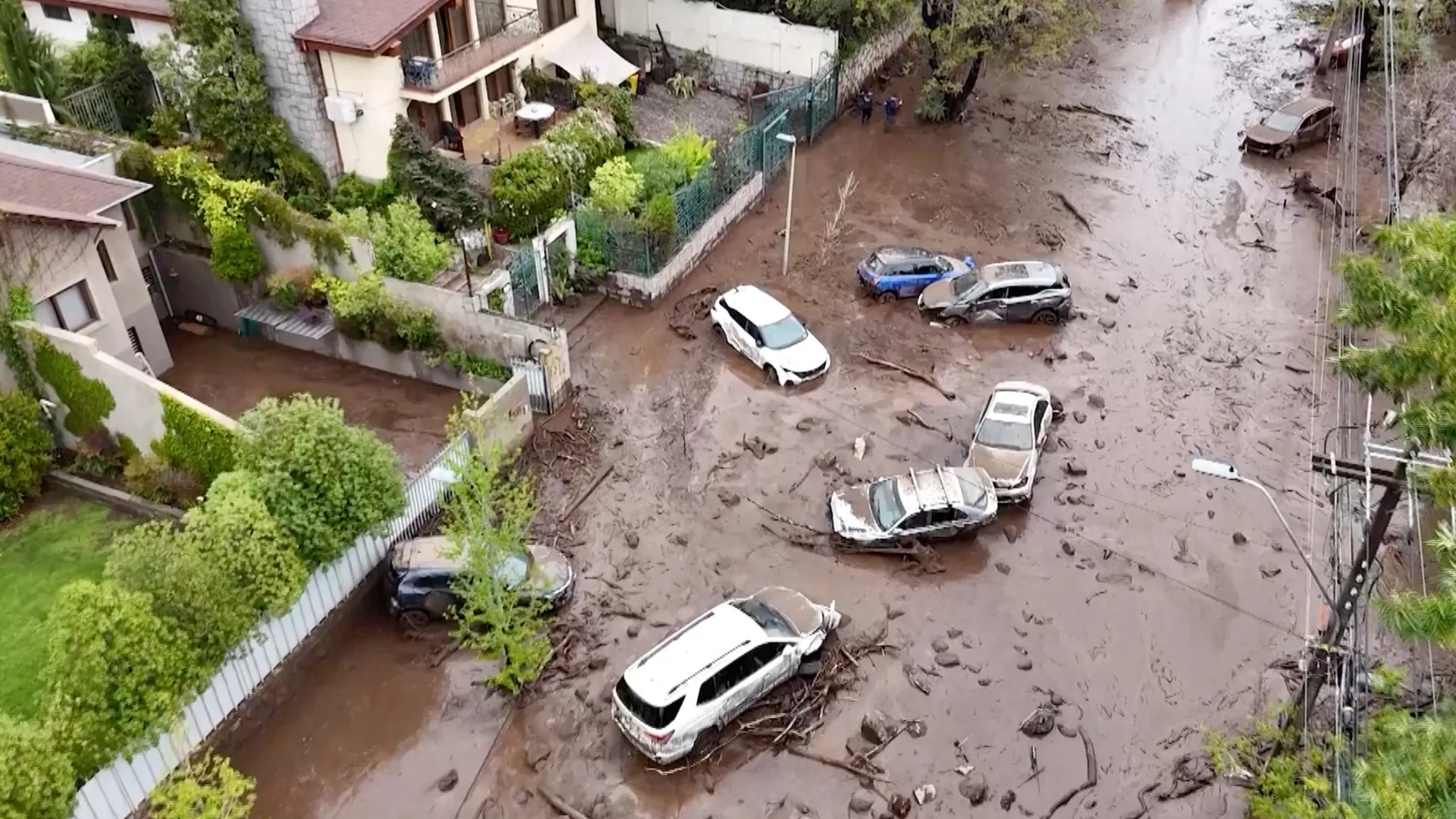
A series of major natural disasters, including earthquakes and mudslides, are impacting communities across South and Central America this week.
Violent weather and natural disasters are hitting nations around the Pacific Ocean this month. Heavy rains caused major mudslides in Chile this week. Meanwhile, a powerful earthquake shook homes and buildings across Panama on Friday.
These back-to-back events show how fragile our world remains against the forces of nature. Emergency teams are working hard to protect people in both South and Central America.
Why this matters
Natural disasters often put a massive strain on local resources and government budgets. When multiple events happen close together, aid organizations struggle to reach everyone in need. This creates a dangerous gap in safety for residents in affected areas.
Furthermore, climate shifts may be making these storms more frequent and more intense. Scientists watch these patterns to prepare better for future emergencies. Governments must invest in better building codes to survive these strong events.
Also, the economic impact of these disasters will be felt for months or even years. Damaged homes and broken roads cost a lot of money to fix. Communities must work together to rebuild and recover after the initial shock ends.
Disaster strikes in Chile and Panama
In Chile, the city of Las Condes faced intense flooding and mudslides. These events forced over 1,000 people to leave their homes quickly. Officials declared the area a disaster zone to speed up the relief process.
Next, the situation in Panama grew tense after a large 7.7 magnitude earthquake. The ground shook for millions of people across the country. Many buildings in towns like Penonomé and Soná suffered serious damage.
However, officials reported no casualties from the Panama earthquake so far. People in the capital city evacuated their buildings and waited in nearby parks. The Panama Canal remained open and safe during the shaking.
Meanwhile, the Pacific has seen a very busy storm season this year. Hurricanes like Polo and Nolo brought dangerous winds to parts of Mexico and Hawaii. These storms caused heavy rain and flooding even before the recent earthquake.
How we got here
- Late September 2026: Hurricanes Polo and Nolo hit the Pacific, bringing high winds and heavy rain to Mexico and Hawaii.
- October 9, 2026: A massive 7.7 magnitude earthquake struck near Pitaloza Arriba, Panama, damaging many buildings.
- October 10, 2026: Chile declared the Las Condes district a disaster zone following extreme mudslides and flash floods.
- Ongoing: Authorities in multiple countries continue to assess infrastructure damage caused by these recent natural events.
What happens next
After that, rescue crews will focus on finding anyone still trapped under debris in Panama. Engineers must inspect buildings to see if they are safe for people to enter again. The government is also working to prevent panic and keep the peace.
Then, Chile will begin the long process of clearing mud and repairing flooded roads in Las Condes. Officials will likely offer aid to families who lost their belongings in the storm. Recovery efforts will take time as the region dries out.