
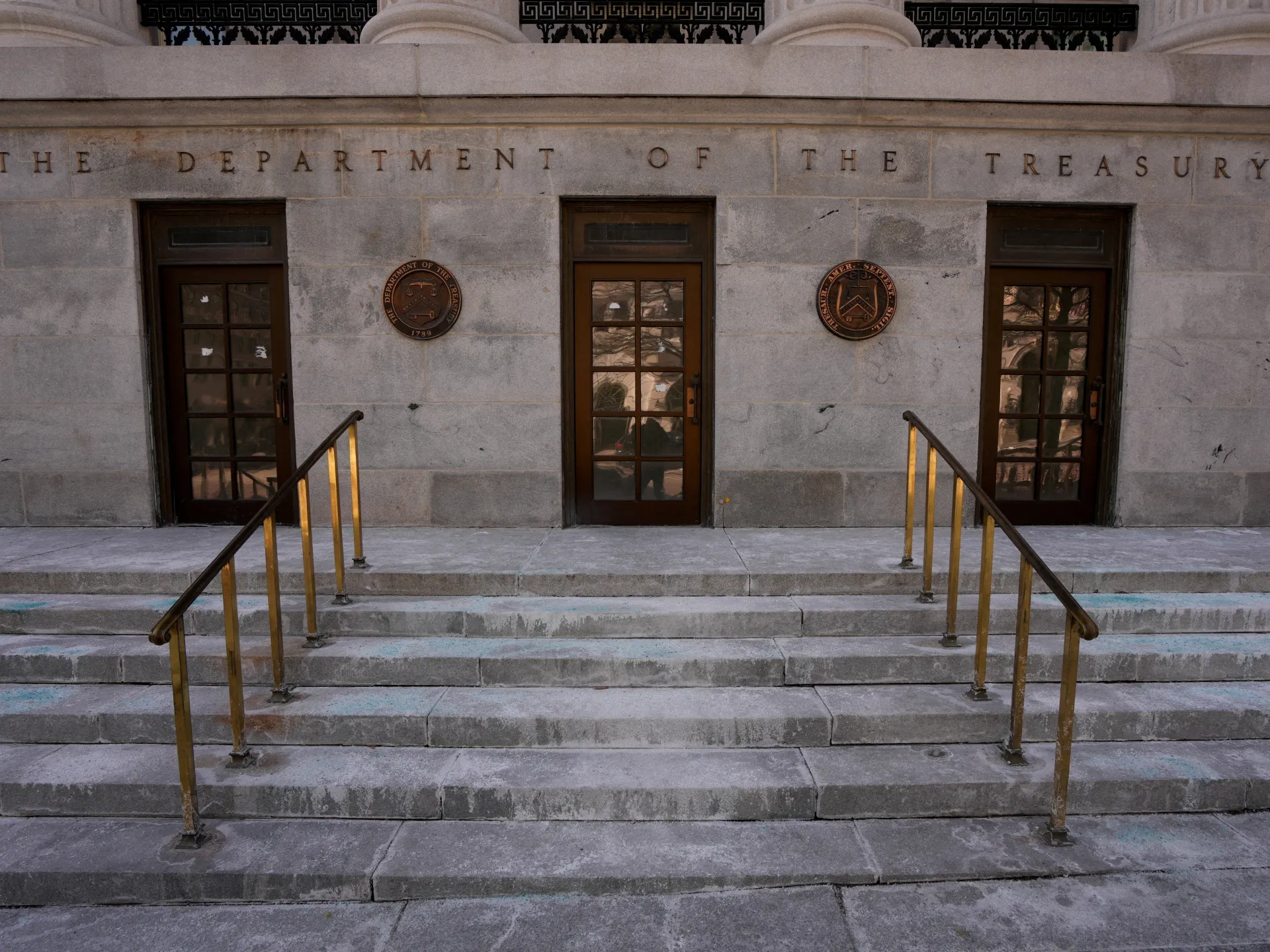
Federal agencies move forward with plans for military executions, commercial space stations, and shifting diplomatic sanctions in Myanmar.
The United States faces major changes across several fronts this week. Officials now navigate new paths in military justice and space travel. Meanwhile, diplomatic relations with Myanmar shift as sanctions drop.
These events mark a busy period for federal agencies. Each decision carries weight for domestic and global policy. Citizens across the nation now watch these developments closely.
Why this matters
These stories highlight how government power affects daily life. Decisions reach from deep space to military bases. They also impact how the world views American values.
The Pentagon’s plan for an execution creates a massive debate on ethics. NASA's new space station goals show a change in how we explore the stars. Finally, the Myanmar decision signals a potential shift in foreign policy priorities.
Policy experts suggest these moves are not accidents. They show a clear shift in the current administration's goals. These actions could set the tone for the coming months.
New directions in military justice and space
The Pentagon recently announced a plan for a military execution. Defense Secretary Pete Hegseth wants to use a firing squad. He also suggests livestreaming the event for the public.
However, officials express caution about the plan. Vice-President JD Vance voiced uncertainty on Friday. He said he would not watch the broadcast himself.
Also, NASA wants private companies to lead in space. The agency released a final plan for commercial space stations. They hope these stations replace the aging International Space Station.
Next, NASA will choose contractors by early 2027. They want stations that support research and exploration. This move allows NASA to focus on missions to Mars.
Diplomacy and science updates
The US government recently removed sanctions on a Myanmar businessman's daughter. This action followed new talks with Myanmar's leaders. Critics now question the timing of this diplomatic pivot.
Meanwhile, astronomers found a surprise in deep space data. Using the Hubble Telescope, they studied a white dwarf star. They found signs of a second-generation planet.
After that, scientists explained why this discovery matters. These planets form from material left behind by dead stars. This changes how we understand the life cycle of solar systems.
How we got here
- 2009: Nidal Hasan kills 13 soldiers at Fort Hood.
- March 2026: NASA publishes requests for data on future space stations.
- July 2026: NASA releases a draft proposal for commercial space stations.
- October 2026: The Pentagon announces plans for a public firing squad execution.
- October 2026: US officials lift sanctions on a Myanmar businessman’s daughter.
- October 2026: Astronomers publish findings on a second-generation planet.
What happens next
The execution plan faces many legal and social hurdles. Experts warn the livestream might violate human rights standards. We expect more debate in Congress over this specific method.
Then, private companies will prepare their bids for NASA. They must show strong technical plans to win contracts. Competition will likely remain fierce through the year.
Finally, the world will watch for more updates from Myanmar. Diplomats remain cautious about the success of these new talks. Future aid and sanctions depend on these ongoing discussions.