
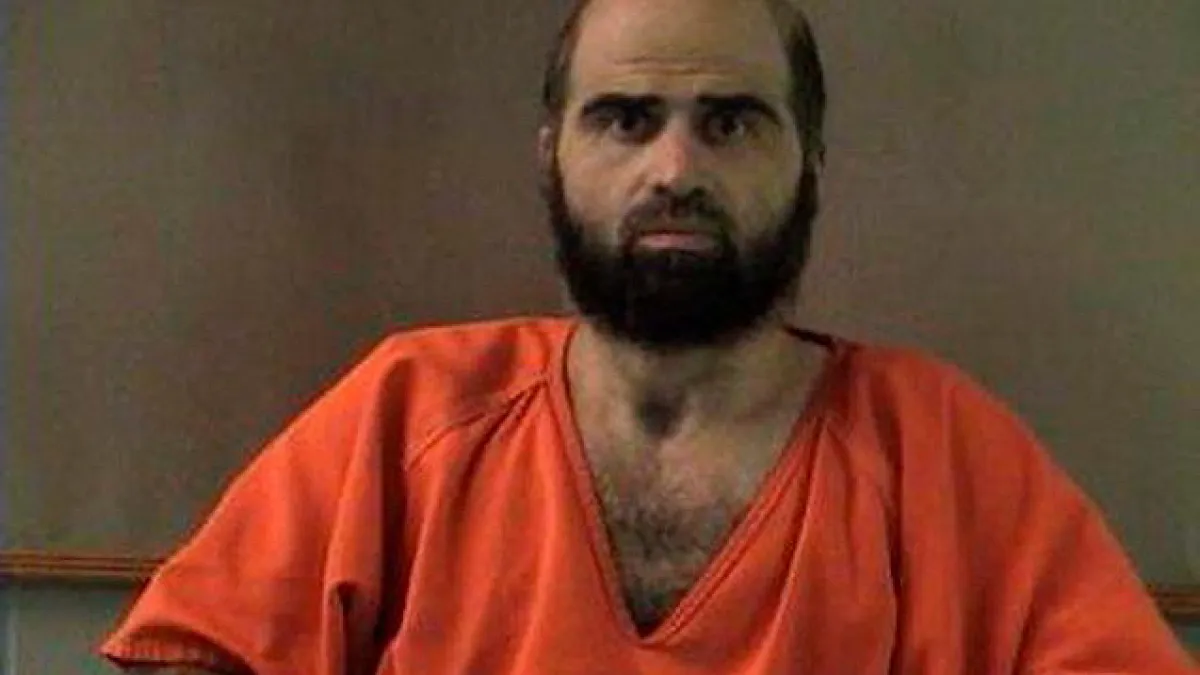
Government officials are planning to broadcast the execution of the 2009 Fort Hood shooter. Survivors and legal experts are debating the impact of this decision.
Federal officials are weighing a plan to broadcast the execution of Nidal Hasan. Hasan is the man who killed 13 people at Fort Hood in 2009. Defense Secretary Pete Hegseth recently confirmed these plans.
However, the idea of a public broadcast remains highly controversial. Many legal experts doubt the event will actually occur. If it proceeds, it would mark a rare event in modern American history.
Why this matters
Public executions have not occurred in the United States for nearly a century. Most Americans view the justice system as a private matter. A televised execution changes how citizens see state power.
Also, this plan challenges long-standing legal norms about punishment. Supporters argue that transparency helps the public understand the cost of violent crimes. Critics worry that broadcasting death promotes violence for entertainment.
Meanwhile, the debate highlights the emotional weight for survivors of the 2009 attack. For many, seeing the event is a matter of closure. Others fear the images might cause more harm than good.
Details of the proposed execution
The government plans to use a firing squad for the execution. Alonzo Lunsford is a survivor of the attack who was shot seven times. He says he supports the firing squad method.
Next, Lunsford explained his reasons for this support. He believes other methods like lethal injection are too easy on the shooter. He wants Hasan to face the consequences of his actions directly.
Still, Lunsford expressed concern about the broadcast itself. He does not want the execution to become a spectacle for the general public. He believes the experience should be reserved for those affected by the tragedy.
Voices from the survivors
Lunsford plans to watch the event in person if it takes place. He wants to look Hasan in the eyes before the end. He says he wants the shooter to know he failed to destroy the survivors.
Then, the survivor shared his personal views on forgiveness. He noted that he has chosen to forgive the shooter. He believes this is necessary for his own healing process.
Finally, he maintains that forgiveness does not stop the legal process. He feels the state must carry out the punishment. Justice remains his primary concern for the victims who died.
How we got here
- November 2009: Nidal Hasan opens fire at the Fort Hood medical building.
- Post-2009: Hasan faces trial and receives a death sentence for his crimes.
- October 2026: Defense Secretary Pete Hegseth announces plans for a public livestream of the execution.
- October 2026: Survivors and legal experts begin debating the ethics and legality of the broadcast.
What happens next
Legal challenges will likely delay any actual execution date. Many courts will need to review the constitutionality of a public livestream. This process could take years to resolve.
Also, the Pentagon must establish clear rules for the broadcast. They must decide what parts of the event remain private. The government will face pressure from both victims and civil rights advocates.
After that, the public will wait to see if the plan holds up under scrutiny. Officials have not provided a specific date for the event. The case remains a major point of national discussion.