
Saudi Arabia deals with a deadly airport attack while also fighting a long-running legal battle in a New York court over the 9/11 attacks.
Violence struck Saudi Arabia this week as an attack hit the Riyadh airport. Three people died in the sudden strike. The Houthi rebel group claimed responsibility for this violent act.
Meanwhile, lawyers met in a New York court. They argued about a long legal fight regarding the September 11, 2001, terrorist attacks. The court must decide if Saudi Arabia can face a trial in the United States.
Why this matters
These two events show the complex nature of Saudi Arabia's current status on the world stage. The country deals with direct physical threats from regional rebels. Simultaneously, it faces intense legal pressure from American families.
These legal battles could change how foreign nations interact with U.S. courts. The outcome might influence international laws regarding state immunity. Both situations create major tension for the Saudi government.
The Riyadh Airport Attack
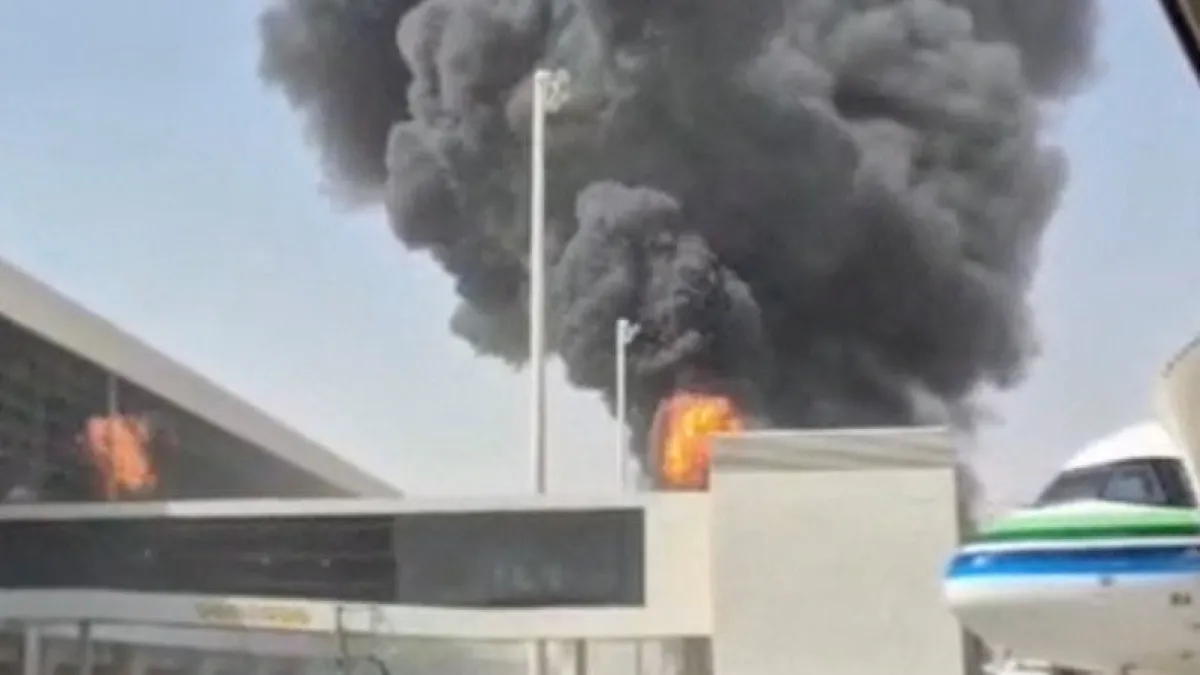
Smoke rose from King Khalid airport on October 8, 2026. Videos on social media captured the flames after the explosion. Officials confirmed that three people lost their lives.
Also, the Saudi government worked to restore order quickly. They reopened the airport after the attack ended. Houthi rebels claimed they carried out the strike against the kingdom.
The September 11 Legal Battle
Families of the victims filed a lawsuit against Saudi Arabia back in 2002. They claim a former Saudi official helped two hijackers. This official, Omar al-Bayoumi, denies these serious claims.
However, the families believe he acted under orders from his government. Saudi Arabia denies any link to the 9/11 attacks. The nation argues it has sovereign immunity from American lawsuits.
Next, lawyers debated this immunity in a New York appeals court. A lower court previously allowed the case to proceed. Saudi lawyers now ask the appeals court to stop that process.
They say key facts about Bayoumi's job remain unproven. Families' lawyers disagree with this claim. They believe the evidence shows clear state involvement.
How we got here
- 2001: Terrorists hijack four U.S. jets and kill nearly 3,000 people.
- 2002: Families of victims file a lawsuit against Saudi Arabia.
- 2016: Congress passes the JASTA law to allow terrorism-related lawsuits.
- August 2025: A Manhattan court allows the lawsuit to move toward trial.
- October 8, 2026: A Houthi attack hits the Riyadh airport, killing three people.
- October 9, 2026: The airport reopens after the deadly attack.
What happens next
The appeals court judges now weigh their options carefully. They might force the lower court to find more facts. Alternatively, they could block the case from moving to trial.
Still, the legal battle will likely continue for a long time. Both sides remain firm in their positions. The situation at the airport will also require increased security measures.
Finally, the kingdom must manage its domestic safety while fighting these legal claims. Regional tensions and past tragedies shape these current events. Observers expect slow progress in both the courtroom and the Middle East.