
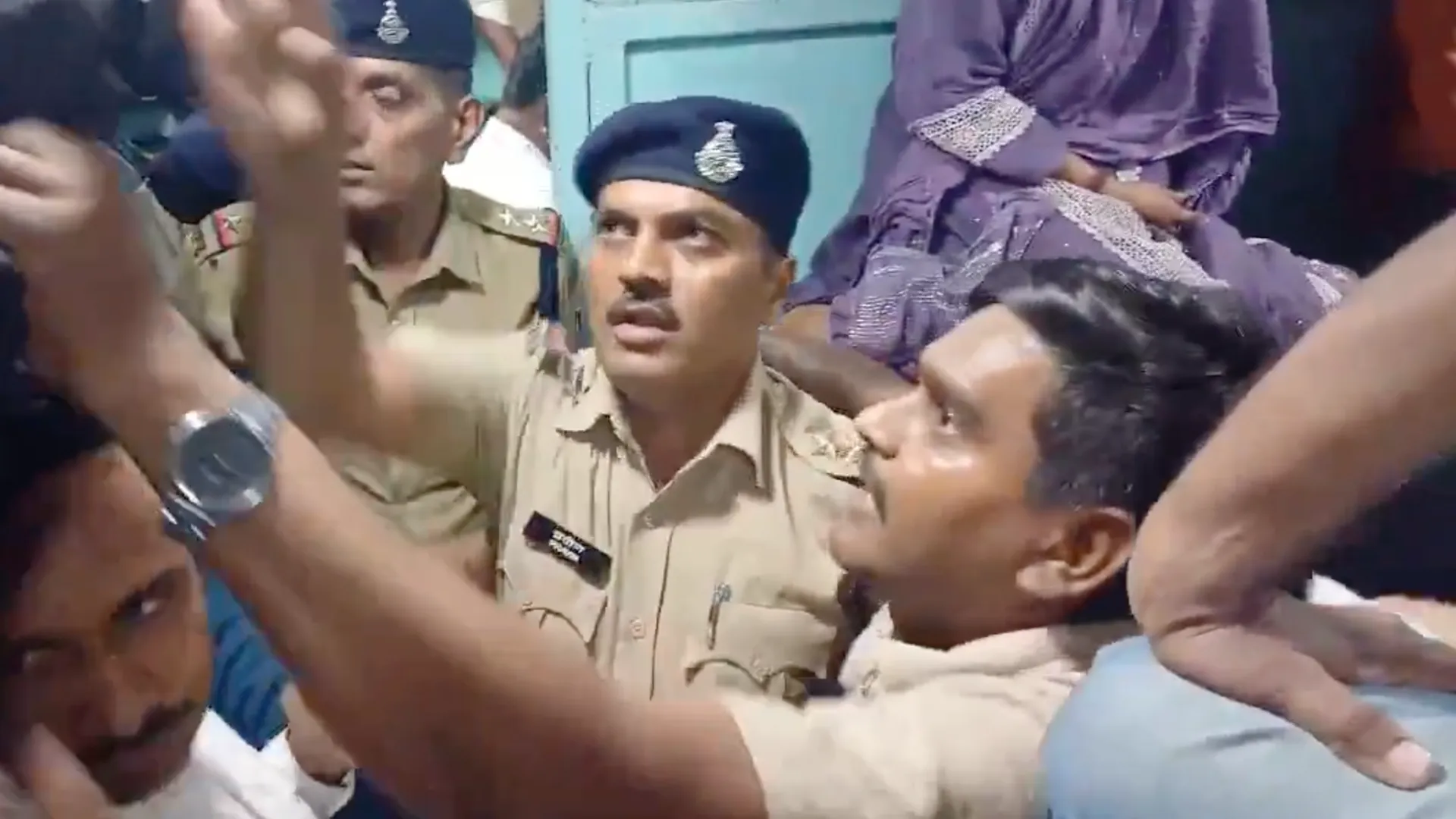
Indian opposition leaders face detention after protesting against the national election board. Meanwhile, the country works to recover from historic river flooding.
Indian police detained several opposition lawmakers and party members this week. These officials demanded the resignation of the top election officer. They claim he changed voter lists to help the ruling party.
Meanwhile, the country faces a different crisis from recent record-breaking floods. Storms destroyed many villages near the Gandak River. These two issues create a tense climate for citizens across the nation.
Why this matters
Trust in election systems forms the core of any democracy. When major political parties accuse election officials of bias, public faith suffers. This standoff shows a deep divide in Indian politics today.
Also, the recent environmental disasters add pressure to the government. Millions of people lost their homes to rising floodwaters. Resources remain stretched thin between disaster relief and political unrest.
Furthermore, these events highlight a struggle over civil rights. Protesters argue that the police use force to silence criticism. Authorities maintain that they act only to keep the peace.
Political tension in the capital
The opposition party known as the Cockroach Party reports mass arrests of its members. They planned a large protest for Saturday in New Delhi. Government officials have not confirmed the number of people in custody.
Meanwhile, high-profile leaders like Rahul Gandhi faced police action. Officers forced Gandhi onto a bus during a protest on Tuesday night. Videos of the event quickly spread across social media platforms.
Next, the police blocked paths between the parliament and the election office. Officers outnumbered the protesters on these streets. They used barriers to stop crowds from reaching the headquarters.
After that, the Election Commission offered a statement. They said they would meet with the opposition group. However, they insisted that representatives must follow official rules for appointments.
Environmental crisis and recovery
Nature caused its own chaos in the northern regions recently. Torrential rains pushed the Gandak River to record levels in late September. This water breached embankments and flooded many local farms.
Also, satellite images confirm the massive scale of the damage. Parts of Nepal and India saw deep water cover their land for days. Thousands of people remain displaced from their homes.
Finally, the recovery process continues in these wet provinces. Many villages struggle to clean up mud and debris left by the flood. Officials continue to measure the full impact of the storm.
How we got here
- September 24-27, 2026: Heavy rains hit the Gandaki and Lumbini provinces.
- September 27, 2026: The Gandak River reaches record-breaking water levels.
- October 6, 2026: Rahul Gandhi and other MPs protest at the Election Commission.
- October 6, 2026: Police break up the protest and detain opposition leaders.
- October 7, 2026: Authorities file a complaint against the Gandhis for unauthorized entry.
- October 9, 2026: The Cockroach Party reports widespread arrests ahead of a weekend rally.
What happens next
The government will likely keep security tight in New Delhi. They want to prevent the planned weekend protest from growing too large. Police will continue to monitor the streets closely.
Meanwhile, the opposition will probably keep pressure on the election chief. They refuse to drop their demands for his resignation. This political fight could last for several more weeks.
Finally, relief agencies will focus on the flood zones. They must provide food and shelter to the thousands of displaced people. The government will need to balance these urgent needs with political stability.