
NASA is testing new satellite inspection technology as severe weather impacts communities in South America.
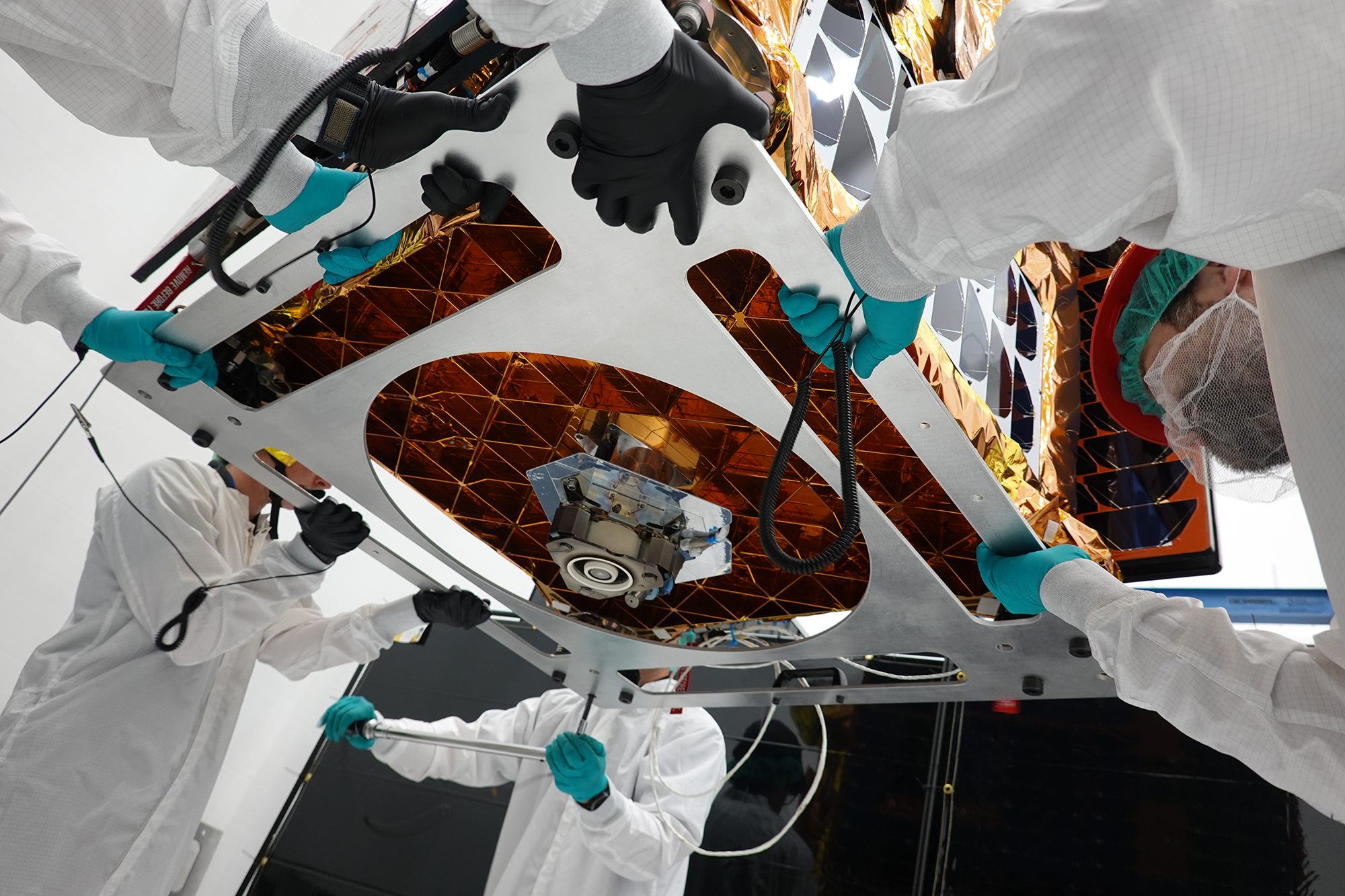
NASA successfully launched a new mission on October 1 to test space repair technologies. The Small Spacecraft Propulsion and Inspection Capability mission uses an Otter spacecraft. It will inspect retired satellites currently floating in Earth's orbit. This work aims to reduce dangerous debris in space.
Meanwhile, the planet faces intense climate challenges on the ground. Torrential rains in Chile caused the Mapocho river to overflow recently. This event highlights the growing influence of the El Niño weather pattern. Officials in Santiago report the heaviest October rainfall in 76 years.
Why this matters
These two stories show how humans manage technology and nature. Space missions help us keep our orbital highways safe and clear. Without these efforts, old rocket parts could crash into active satellites. Such accidents would threaten our global communication and weather tracking systems.
Also, the climate events in Chile demonstrate the real-world cost of environmental shifts. Scientists warn that El Niño will change weather patterns globally. These changes impact homes, cities, and human safety on a daily basis. Understanding these shifts is just as important as advancing our space capabilities.
New technology in orbit
The Otter spacecraft features advanced autonomous software for its journey. It does not need constant commands from controllers on the ground. Instead, it uses cameras and sensors to navigate near old objects. This helps the ship identify spin rates and surface conditions.
Next, the ship will test a special robotic arm. This boom allows the craft to move between different orbits with high precision. While this mission will not dock with any satellites, it proves these systems work. These tests pave the way for future in-space repairs.
Mars exploration and weather extremes
Beyond our planet, NASA continues to study the Martian surface. The Curiosity rover recently reached a major height milestone on Mars. It climbed one kilometer above the floor of the Gale Crater. This rover helps scientists understand the history of the red planet.
However, life on Earth remains complicated by record-breaking weather. Police in Chile rescued families from floodwaters after sudden, heavy rains. Rescuers used helicopters to people trapped on the river banks. Authorities are still investigating one death linked to the flooding in San Bernardo.
How we got here
- 2014: The Curiosity rover began climbing the foothills of Mount Sharp on Mars.
- August 26, 2026: Curiosity reached one kilometer of elevation above the Gale Crater floor.
- September 2026: Experts warned that the current El Niño would be the strongest in memory.
- October 1, 2026: The SSPICY mission launched from Vandenberg Space Force Base in California.
- October 2026: Torrential rains hit central Chile, leading to record-breaking rainfall totals.
What happens next
After that, the Otter spacecraft will wait until early 2027 to begin its primary work. It will then approach four inoperable objects in low Earth orbit. Engineers will watch the data to see if the autonomous systems function as planned.
Finally, meteorologists expect the El Niño pattern to continue through the southern spring. Governments in affected areas will likely keep emergency teams on high alert. Residents in flood-prone regions must prepare for more storms and potentially heavy rains in the coming weeks.