
Thailand struggles with widespread monsoon flooding while managing persistent security threats in its southern provinces.
Thailand faces a difficult season as heavy rains cause dangerous floods across the country. The storms started in late September and continue to cause major damage. Thousands of people now live in flooded areas as water covers homes and farms.
Meanwhile, the nation also deals with ongoing violence in its southern border provinces. These regions have seen arson attacks and bombings that threaten local safety. Officials work to manage both the environmental disaster and the security risks.
Why this matters
The situation in Thailand shows how nature and politics create double pressure on a nation. Massive flooding destroys food supplies, which can raise prices for everyone. These disasters hurt the economy and take away homes from millions of citizens.
Also, the security unrest complicates the government’s ability to respond. Money and focus must go to both recovery and safety. If the government cannot stabilize the south, it will struggle to help flooded areas in the north.
Finally, environmental health plays a big role in these issues. Plankton blooms now turn coastal waters green and threaten local oxygen levels. This hurts the tourism industry and adds to the strain on the national budget.
Disasters across the landscape
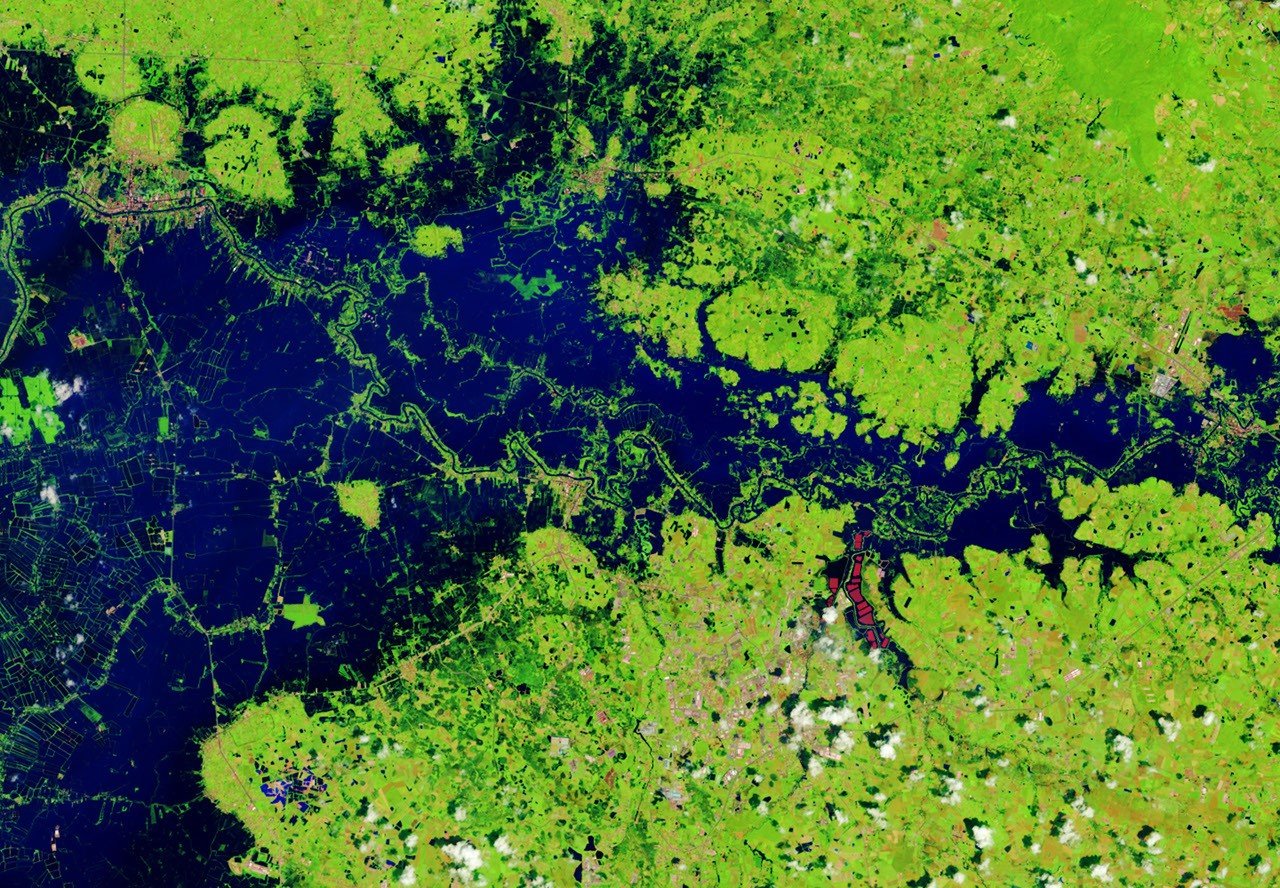
Persistent rains caused the Bang Pakong River to overflow its banks. Satellite images show deep blue floodwaters covering many farms and fields. NASA experts confirm that intense rain systems stalled over the region for days.
Then, the flooding spread to 50 different provinces across the country. Official reports state that over four million people face hardships from these rising waters. Many farmers lost crops, including rice and fruit, which damages the food supply.
After that, the Red Cross reported that the disaster claimed dozens of lives. Residents in cities like Bangkok struggled to find basic supplies as roads went underwater. The government tries to provide aid to those trapped in low-lying zones.
Ongoing security challenges
Separately, southern Thailand faces a long-standing struggle for independence. Rebels in Muslim-majority regions fight against the central government for more control. This conflict has simmered for over two decades.
However, the violence recently flared up during a wave of arson attacks. Assailants hit convenience stores, offices, and even telecommunication towers. These acts caused injuries and forced authorities to set an overnight curfew.
Next, the military works to calm the region before officials arrive for official visits. Prime Minister Anutin Charnvirakul plans to discuss new investment projects in the south soon. He hopes to address the security issues alongside the need for better flood protection.
How we got here
- 2004: A low-level conflict begins in southern Thailand as rebels fight for autonomy.
- 2013: Peace talks begin but stall repeatedly due to changing political leadership.
- August 2026: Professional golfer Jessica Bang passes away after a medical emergency during a tournament.
- August 2026: A wave of coordinated arson attacks hits southern border provinces.
- September 2026: Heavy monsoon rains begin to cause widespread flooding across the country.
- October 2026: Satellite data confirms massive flooding damage to agricultural land.
What happens next
Government teams will likely focus on cleaning up the flood zones as the rains stop. Experts warn that the recovery will take many months. Farmers need financial help to replant their lost crops.
Also, the government must decide how to handle the peace process in the south. Security officials will likely keep a close watch on public buildings during upcoming meetings. They want to prevent further attacks during these important visits.
Finally, scientists will continue to monitor the water quality near Thai islands. They need to see if the plankton blooms go away naturally. If the environment does not heal, the government may have to close more beaches to protect people.