
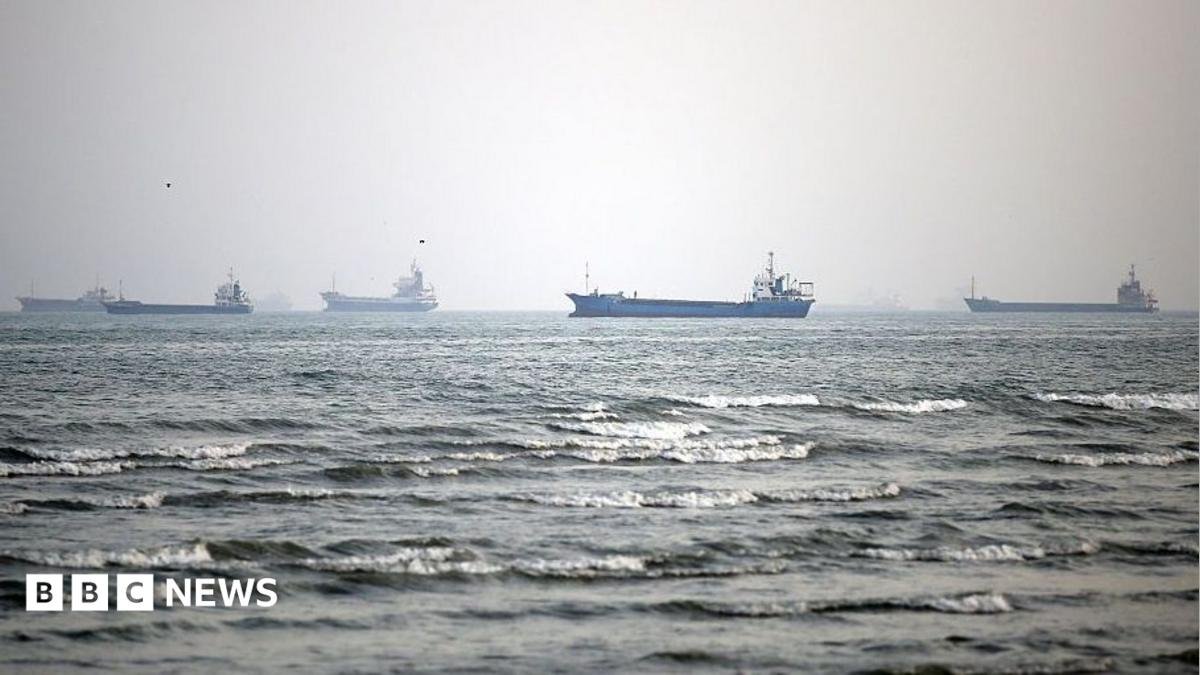
A commercial tanker was struck by projectiles near Qatar, marking a rare and dangerous escalation in regional maritime conflict.
A large oil tanker suffered damage from several projectiles off the coast of Qatar. The attack occurred 51 nautical miles from Madinat al-Shamal. This region sits deep within the Gulf, far from common combat zones.
The United Kingdom Maritime Trade Operations agency confirmed the hit. They reported that the crew suffered casualties during the incident. Experts identified the vessel as the Acers, an oil and chemical tanker.
The Acers flies the flag of Antigua and Barbuda. It was traveling toward the Strait of Hormuz before the strike. This event marks a rare security breach in these western Gulf waters.
Why this matters
The Gulf remains a vital artery for global energy supplies. Millions of barrels of oil pass through these waters every single day. Any disruption here threatens the price of fuel worldwide.
Also, this attack signals a shift in the ongoing regional conflict. Military actions are no longer limited to the Strait of Hormuz. Ships that once felt safe now face threats in open water.
Furthermore, maritime safety is reaching a critical low point. Over 24 seafarers have died in recent maritime attacks. These incidents complicate insurance costs and slow down international trade.
New maritime security challenges
Meanwhile, the shipping industry struggles to adapt to these dangers. Vessels now operate under high-risk conditions every day. The attack on the Acers shows that no route is entirely secure.
However, officials are working to keep global trade moving. The United States military provides protection for many tankers. These patrols aim to keep energy exports flowing to the world market.
Also, analysts report that exports are recovering slowly. They have reached nearly 80 percent of levels seen before the war. Still, any new threat can stall this progress overnight.
Recent regional military updates
After that, news from other fronts adds to the instability. Saudi-backed forces recently reported heavy fighting in Yemen. They claim to have killed hundreds of Houthi fighters in one day.
Then, the Houthis claimed a strike on a facility in Riyadh. Saudi authorities have not confirmed this specific attack. This shows how quickly violence can jump between different borders.
How we got here
- February 2026: The conflict between the US, Israel, and Iran starts.
- June 2026: A temporary peace deal to reopen the Strait of Hormuz collapses.
- September 9, 2026: An attack kills two sailors on the tanker El Gaia.
- October 4, 2026: Saudi-backed forces report significant clashes with Houthi fighters.
- October 8, 2026: A tanker is hit by projectiles north of Qatar.
What happens next
Next, experts expect increased security presence in the area. Navies may expand their patrol zones to protect commercial vessels. This could lead to a higher military footprint in the Gulf.
Finally, shipping companies will likely adjust their routes again. They must choose between safety and speed for their vessels. Global markets will watch these waters closely for any further news.