
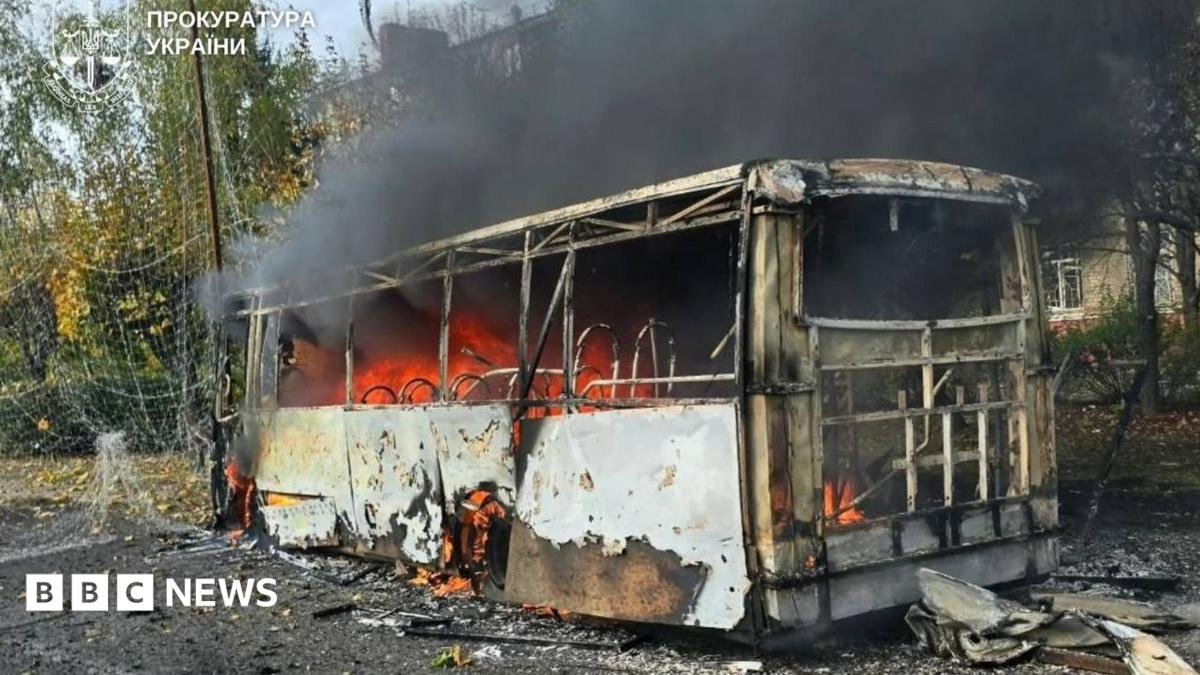
Russian forces killed dozens of civilians in recent missile and glide bomb attacks across Ukraine, prompting vows of a harsh response.
Why this matters
Russian forces recently launched a series of deadly strikes across Ukraine. These attacks hit civilian infrastructure with devastating force. Such actions mark a grim shift in the ongoing conflict. They show a clear pattern of targeting non-combatants directly.
Also, the loss of life has reached record levels this year. International leaders now view these strikes as a core part of Moscow's strategy. This strategy aims to break the spirit of the Ukrainian people. However, these attacks only deepen the resolve of local officials to protect civilians.
Meanwhile, the destruction of schools and homes impacts future generations. Many families now live in constant fear for their lives. This situation forces thousands of people to flee their homes. They search for safety in western regions of the country.
Devastating Strikes in the East
A Russian glide bomb hit two buses in the city of Kramatorsk. Rescue officials say at least 30 people died in the blast. Another 18 people suffered serious wounds. Local authorities immediately stopped all public transit to prevent further tragedies.
Then, the strike in Kramatorsk also claimed lives in the nearby village of Bilenke. Three more people died in that attack. Regional leaders accused Russia of trying to kill as many civilians as possible. They warned everyone to leave the dangerous front line area.
After that, the focus shifted to the city of Pryluky. A missile destroyed a large apartment building early on Wednesday. This single blast killed 22 people while they slept. Tragically, five children were among those who perished.
Finally, the death toll from the Pryluky attack included three babies. The victims were only one year old. International officials condemned this act as a clear sign of evil intent. They argue that these strikes show no military purpose at all.
Escalation of Violence
The United Nations reports a sharp rise in civilian deaths. More civilians died by August than in the entire year of 2025. This surge demonstrates the brutal reality of the current fighting. Experts note the Kremlin aims to capture the full Donbas region.
Also, the United Kingdom promised to help Ukraine for as long as needed. Foreign Secretary Ed Miliband met with President Zelensky to discuss the situation. He announced new sanctions against Russian oil and financing. These measures aim to stop the Russian war machine.
Still, the Kremlin has not yet commented on the latest attacks. Moscow often uses the excuse of liberation for its actions in the Donbas. They claim to protect Russian-speaking residents in the eastern parts of the nation. These claims contrast sharply with the reality on the ground.
How we got here
- 2025: Russia initiated a series of systematic attacks across Ukraine.
- August 2026: The UN recorded higher civilian death counts than in all of 2025.
- Wednesday Morning: A missile destroyed a residential building in Pryluky, killing 22.
- Thursday: UK Foreign Secretary Ed Miliband visited Kyiv to pledge more support.
- October 2026: Russian forces bombed civilian buses in Kramatorsk, killing 30 people.
What happens next
Ukraine expects to respond to these recent strikes with force. President Zelensky promised a harsh reaction to the deaths. His government seeks new ways to stop the bombing of civilian areas.
Next, international allies will likely tighten sanctions against the Russian economy. They aim to limit the resources available for the war. Diplomatic pressure will probably increase in the coming weeks.
Meanwhile, civilians in the Donbas face a difficult choice. Many will try to evacuate the area to escape the fighting. Local officials will continue to urge residents to seek safety elsewhere.