
Search crews halt the hunt for a missing medical flight off the coast of Massachusetts. Meanwhile, NASA shifts focus to lunar farming and surface observations.
Why this matters
Recent events show the diverse range of modern human activity. Scientists look toward the moon for long-term survival. Meanwhile, rescue teams face the harsh realities of flight safety.
These stories highlight our reach into space. They also show the dangers of travel on Earth. Both areas require careful planning and advanced technology.
Missing medical flight search concludes
The U.S. Coast Guard ended its search for a medical plane. The aircraft went missing off the coast of Massachusetts. It disappeared near the island of Nantucket.
However, officials found a debris field on Saturday. The plane belonged to Latitude Air Ambulances. It carried six people during the flight.
Also, the flight departed from Bermuda. It headed toward Boston’s Logan International Airport. Authorities lost contact with the pilots early Saturday morning.
Then, flight data showed a sharp drop in altitude. The plane fell from 24,000 feet to 11,000 feet. Controllers heard reports of electrical issues before the signal cut out.
Finally, the Coast Guard expressed condolences to the families. Four Canadian nationals and two Bermudian nationals were on board. The search lasted 66 hours before officials suspended it.
Lunar science and space crops
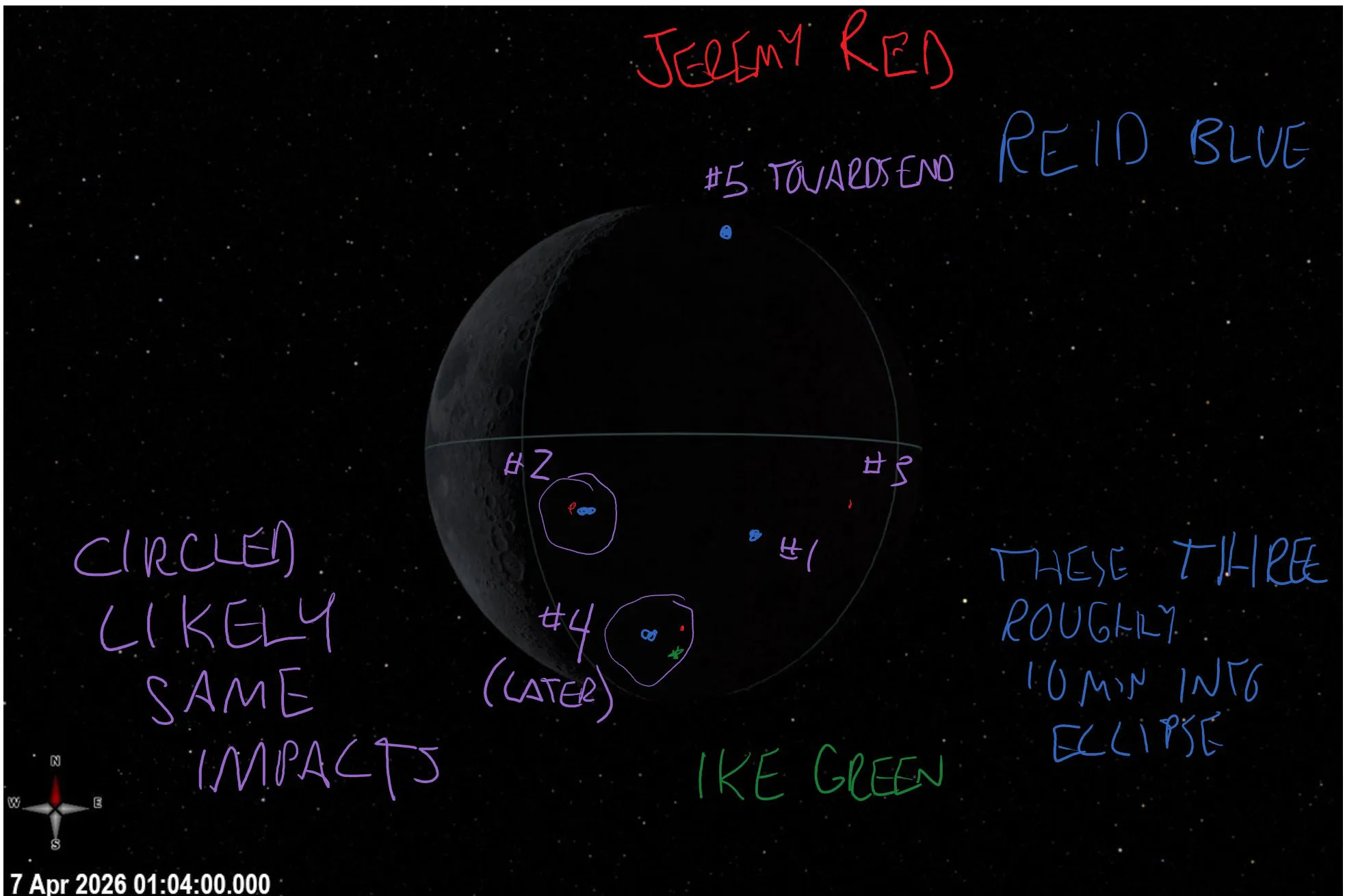
NASA and its international partners continue to study the moon. The Artemis II crew shared data from their recent trip. They observed faint flashes of light on the lunar surface.
These flashes occurred when rocks hit the moon. Astronauts recorded five of these events. This data helps the global science community study the moon.
Meanwhile, NASA signed a new agreement for space farming. This project involves agencies from Canada and Germany. They want to learn how to grow crops in space.
Also, the team will build an Earth-based demonstrator. This machine mimics the environment of a moon base. It will test how plants grow in controlled conditions.
Next, experts will study how space crops provide nutrition. These plants also produce oxygen and recycle water. Such technology remains vital for long trips to Mars.
How we got here
- April 2026: The Artemis II crew travels to the moon and captures scientific data.
- September 29, 2026: NASA and partners sign a statement to advance space crop technology.
- October 3, 2026: A Latitude Air Ambulances plane goes missing while traveling from Bermuda to Boston.
- October 4, 2026: Rescuers find a debris field belonging to the missing aircraft near Nantucket.
- October 5, 2026: The U.S. Coast Guard suspends the search for the six people on the plane.
What happens next
Investigators will continue to analyze the debris found near Nantucket. They hope to determine the exact cause of the crash. This process often takes many months to complete.
Also, researchers will begin their work on the Lunar Agriculture Module. They expect these tests to improve life support systems. These tools could eventually support a base near the moon's South Pole.