
Spain faces a political collapse following failed housing reforms while Yemeni government forces struggle to maintain control against rebel groups.
Why this matters
Political stability faces major tests in both Europe and the Middle East. Governments struggle to address the basic needs of their citizens. When leaders fail to solve housing or security issues, public trust drops quickly. This creates a cycle of unrest that threatens to topple established power structures.
Meanwhile, international observers watch these developments with concern. Economic hardship in Spain and violent conflict in Yemen highlight deep systemic failures. These events show how quickly local problems can turn into national crises. Leaders must act now to prevent further decline in stability.
Spain Faces a Political Crisis
Spain’s government recently suffered a major defeat in its parliament. Lawmakers rejected two new housing laws. These laws aimed to protect people from unfair rent hikes. The failure leaves many tenants without the safety net they requested.
After that, angry protesters gathered outside the congress building. They chanted slogans against government inaction. Many people feel that officials ignore their struggles. The protests follow the recent eviction of an elderly woman from her Madrid home.
However, the government remains in a precarious position. Prime Minister Pedro Sánchez lacks a solid majority in congress. Many speculate that he might call for an early election. His party currently faces multiple scandals and difficult legal challenges.
Also, the Tenants' Union decided to change its strategy. They plan to move protests into local neighborhoods. They want to pressure officials closer to home. The group intends to keep their movement alive across the entire city.
Conflict Deepens in Yemen
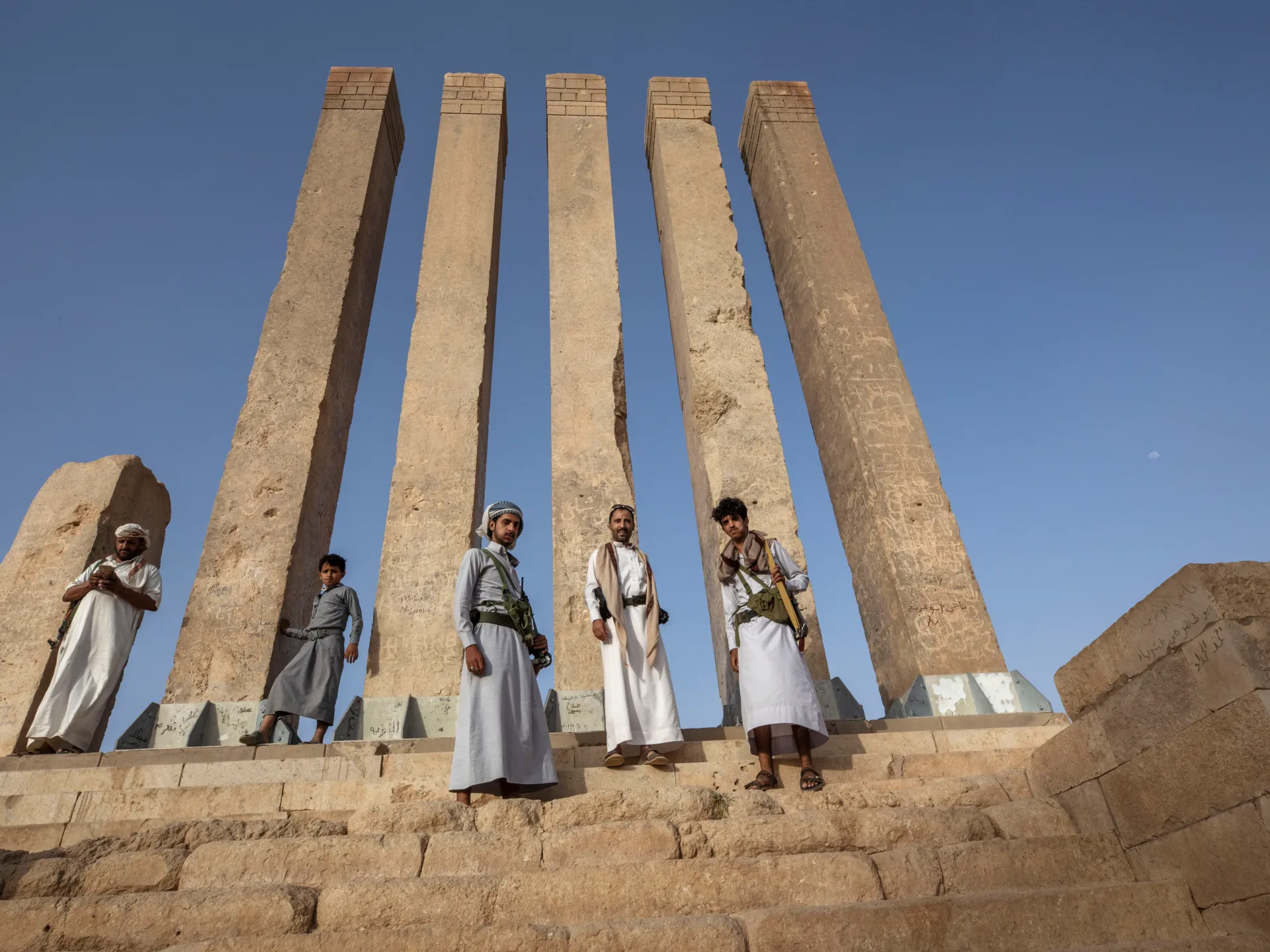
Yemen remains locked in a dangerous struggle for control. Government forces rely heavily on local tribal groups to fight the Houthi rebels. The region of Marib serves as a vital stronghold for these pro-government tribes. Success in this area is key for national defense.
Meanwhile, tensions are rising between the Houthis and Saudi Arabia. This relationship has long been a source of regional instability. Diplomatic efforts to keep the peace often fail under the pressure of ongoing violence. Both sides appear ready for further confrontation.
Then, the situation in Marib reflects the broader difficulty of the war. Government leaders must win the trust of powerful tribal leaders. Without this support, their grip on the north remains weak. The Houthis continue to challenge government authority at every turn.
How we got here
- October 2026: Spanish parliament rejects critical housing reform decrees.
- October 2026: Protesters rally in Madrid after the eviction of an elderly resident.
- October 2026: The Tenants’ Union shifts its protest strategy to local residential blocks.
- October 2026: Tribal forces in Marib continue to clash with Houthi rebels in Yemen.
- October 2026: Saudi Arabia reports growing friction in its relations with the Houthi movement.
What happens next
Prime Minister Sánchez must decide his next move very soon. He could try to negotiate new deals with opposition parties. If he fails, a snap general election becomes almost certain. This would create more uncertainty for the Spanish economy.
Also, the situation in Yemen will likely stay violent for the near future. The government must secure more tribal alliances to hold its ground. Any loss of control in Marib would be a devastating blow to their cause. The international community will watch these regions closely for signs of further trouble.