
South African leaders address a rise in violence against women while protests over foreign policy reshape parts of Latin America.
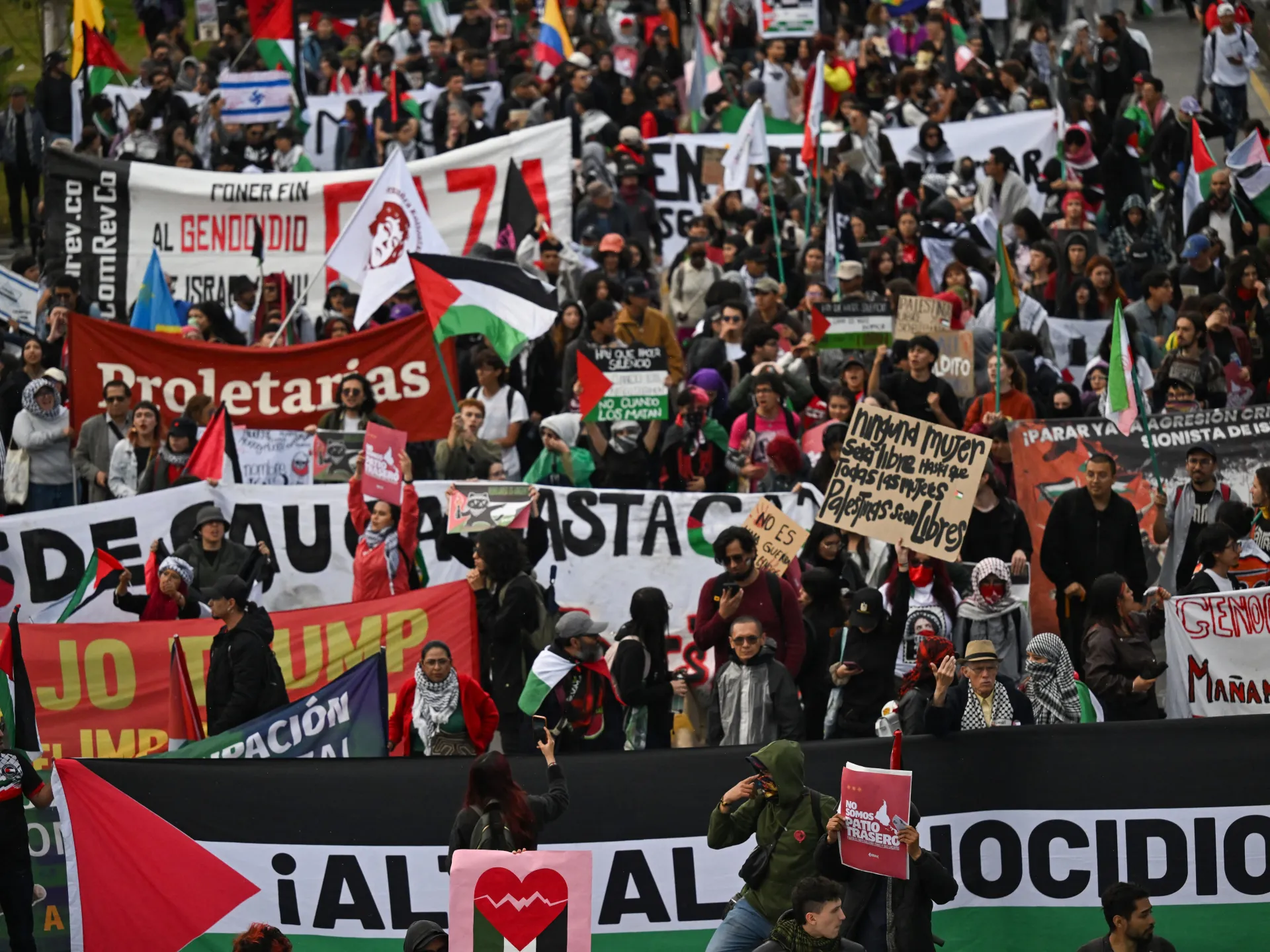
People across the world are pushing for major changes. Citizens in Colombia marched recently to protest their nation's ties to Israel. Meanwhile, South Africa's president is working to stop a rise in violence against women.
These events show how leaders struggle with local and global demands. Both regions face deep social issues today. Governments now scramble to calm their people.
Why this matters
These stories show that safety and foreign policy impact everyone. When people feel unsafe, they demand action from their leaders. This pressure forces governments to change their plans quickly.
Also, the events in South Africa highlight a global need to protect women. South Africa currently has one of the highest rates of gender-based violence. This situation serves as a warning for other nations.
However, the protests in South America show how global politics reach local streets. Decisions about foreign allies often lead to public anger. Leaders must now balance international deals with the will of their voters.
Finally, these events prove that governments cannot ignore their people. Policies regarding safety or foreign trade carry big risks. Leaders must respond clearly to keep public trust.
New Safety Measures in South Africa
President Cyril Ramaphosa recently addressed the nation. He spoke about the tragic deaths of 12 women near Johannesburg. These crimes occurred over the last two months.
Also, the president ordered a safety audit for all local areas. Officials will check for broken streetlights and abandoned buildings. They want to make public spaces safer for every woman and girl.
Meanwhile, the government plans to target alcohol-related crimes. The president says alcohol use makes violence worse. He wants new laws to help lower these incidents across the country.
Still, the president admits the government failed in the past. He wants men to take the lead in changing how society views women. He says change must start with better attitudes toward women.
Political Shifts in Latin America
Protesters in Bogota recently marched for Palestinian rights. They voiced strong opinions about their country's relationship with Israel. These rallies show deep concern among the people.
Also, leaders in Bolivia are making big changes to their team. The government plans a cabinet shakeup to address ongoing protests. They even dismissed their ambassador to Colombia.
However, some leaders in Latin America maintain strong ties to Israel. These different approaches cause friction between neighbors. The region remains divided on foreign policy issues.
How we got here
- July 2026: A series of violent attacks against women begins in eastern South Africa.
- September 2026: President Ramaphosa announces a national emergency response to these murders.
- September 2026: Police arrest four suspects linked to the violence in South Africa.
- October 2026: Citizens in Bogota hold a large rally to protest current foreign policy.
- October 2026: The Bolivian government dismisses its ambassador to Colombia during internal protests.
What happens next
South African officials will begin the safety audits immediately. They must finish these checks to stop further violence. If they succeed, street safety should improve for many women.
Also, the government will likely introduce new rules for alcohol. These rules aim to reduce violence in high-risk areas. The public will watch closely to see if these efforts work.
Meanwhile, Latin American countries face more political pressure. Leaders must decide if they will change their foreign policies. If protests continue, more government shakeups may occur soon.