
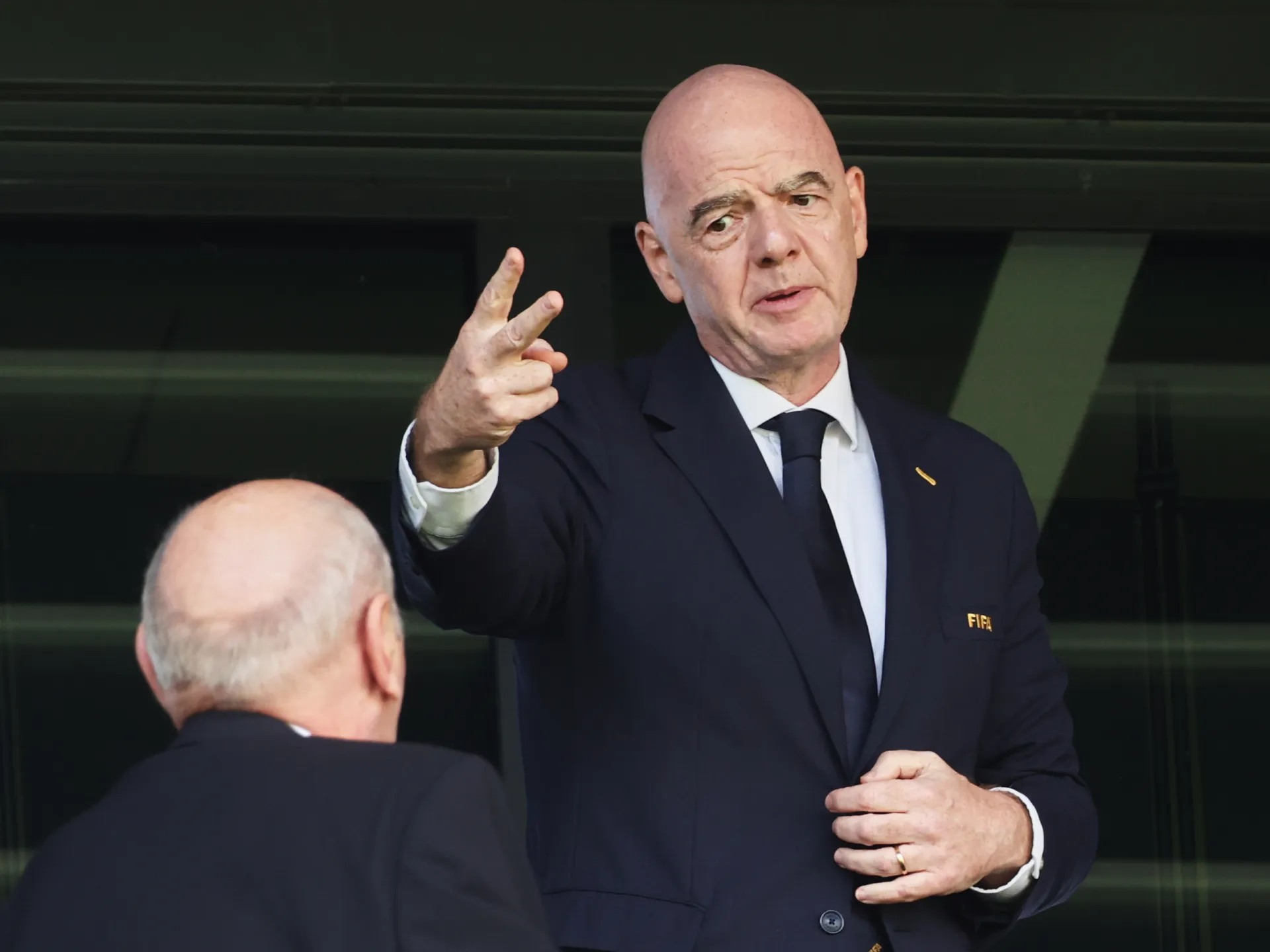
Europe’s four biggest football leagues have launched a coordinated campaign for FIFA governance reform, citing concerns over financial exploitation and institutional transparency.
A coalition representing Europe’s most prominent football leagues has issued a formal demand for immediate governance reform within FIFA, signaling a significant escalation in the ongoing friction between the global governing body and its most profitable stakeholders. The joint initiative, spearheaded d Germany, accuses FIFA President Gianni Infantino of prioritizing commercial exploitation over the institutional integrity of the sport.
This push for institutional change follows the collapse of a controversial proposal to sell a 20% stake in World Cup commercial rights to private equity investors—a deal valued at approximately $4.2 billion. The backlash has transcended mere disagreement over financial strategy, evolving into a fundamental challenge regarding Infantino’s tenure and the transparency of FIFA’s decision-making processes.
The conflict represents more than a disagreement over revenue distribution; it highlights a growing ideological rift between the traditional football ecosystem and the centralized, expansionist model favored , but the attempt to monetize World Cup assets suggests a shift toward a corporate-investor model that critics argue threatens the historical autonomy of domestic leagues. ictate FIFA’s policy trajectory, effectively threatening the organization's ability to execute future commercial strategies without external oversight from the very stakeholders who provide the star power and broadcast value for its flagship tournament.
The tension reached a breaking point last week following a formal request from England’s Football Association. The FA has demanded the release of all internal documentation regarding the private equity proposal, as well as an investigation into specific officiating controversies, most notably the decision to overturn a red card issued to US striker Folarin Balogun during this summer’s tournament. These demands suggest that the leagues are moving beyond financial disputes into active scrutiny of FIFA’s regulatory and judicial consistency.
While Infantino has attempted to pivot the narrative toward a culture of dialogue, he faces sustained pressure from regional confederations, including UEFA and CONCACAF. Despite reports of these organizations calling for his replacement, Infantino remains steadfast in his commitment to seeking re-election. He has publicly characterized the pushback as an opportunity for reform, claiming to have received positive feedback on his proposal for a constructive dialogue at the upcoming FIFA Council meeting next month.
The upcoming FIFA Council meeting is likely to be the primary battleground for these competing interests. Should Infantino fail to provide the transparency demanded ive measures, potentially including a formal vote of no confidence or a restructuring of their cooperation agreements with FIFA. The outcome of these discussions will likely determine whether the current leadership can maintain control of the organization or if they will be forced to concede to a more decentralized, transparent governance structure. Analysts anticipate that the leagues will maintain their unified front, as they possess the leverage to withhold cooperation for future tournament cycles if their demands for accountability are not met.