
A government-led school meal program in Indonesia has triggered a massive health emergency, while high-stakes geopolitical tensions spill into the streets of New York following a UN address.
Tensions surrounding the Israeli-Palestinian conflict have spilled into the streets of New York City, coinciding with a week of international turbulence that includes a significant public health emergency in Indonesia. While geopolitical rhetoric intensifies in the United States, thousands of families in Southeast Asia are reeling from a suspected widespread food poisoning outbreak linked to a government-led school meal program.
The convergence of these events highlights a volatile period of global governance, where signature public policies are facing scrutiny for safety failures, while diplomatic discourse remains sharply divided over the humanitarian and political implications of the conflict in Gaza.
The simultaneous occurrence of these crises underscores the fragility of state-led initiatives in high-pressure environments. In Indonesia, the collapse of the Makan Bergizi Gratis (MBG) program threatens the credibility of a multibillion-dollar effort designed to address childhood malnutrition—a cornerstone of President Prabowo Subianto's administration. When a flagship social welfare program becomes a vector for illness, it risks eroding public trust in government infrastructure. Similarly, the protests in New York reflect a deeper fracture in international consensus regarding the Middle East. As protestors clash over the legitimacy of leadership and the nature of the war in Gaza, the discourse has moved beyond policy debates into a direct confrontation over identity and moral authority, leaving little room for moderate middle-ground solutions.
Indonesia is currently grappling with a severe health crisis as thousands of students and teachers have fallen ill after consuming meals provided stage, with reports of mass sickness emerging across multiple regions, including Central Java, East Java, and South Sulawesi.
In one of the most severe incidents reported at a high school in Lasem, 777 individuals fell ill simultaneously, forcing the facility to send over 1,000 students and staff home. Headteacher Juhartutik described the scene as chaotic, noting that the school’s 40 toilets were entirely insufficient to handle the sudden surge in gastrointestinal distress. Affected individuals reported symptoms ranging from nausea and dizziness to severe dehydration, with some students requiring transport in wheelchairs due to extreme physical weakness.
The program, known as Makan Bergizi Gratis, is now under intense pressure as authorities investigate claims of negligence, improper storage, and low-quality food. Parents have described receiving meals with a "fishy odor" and undercooked poultry. While the head of the local food distribution unit has apologized and accepted responsibility, the National Nutrition Agency has indicated that criminal investigations may be necessary if negligence is confirmed.
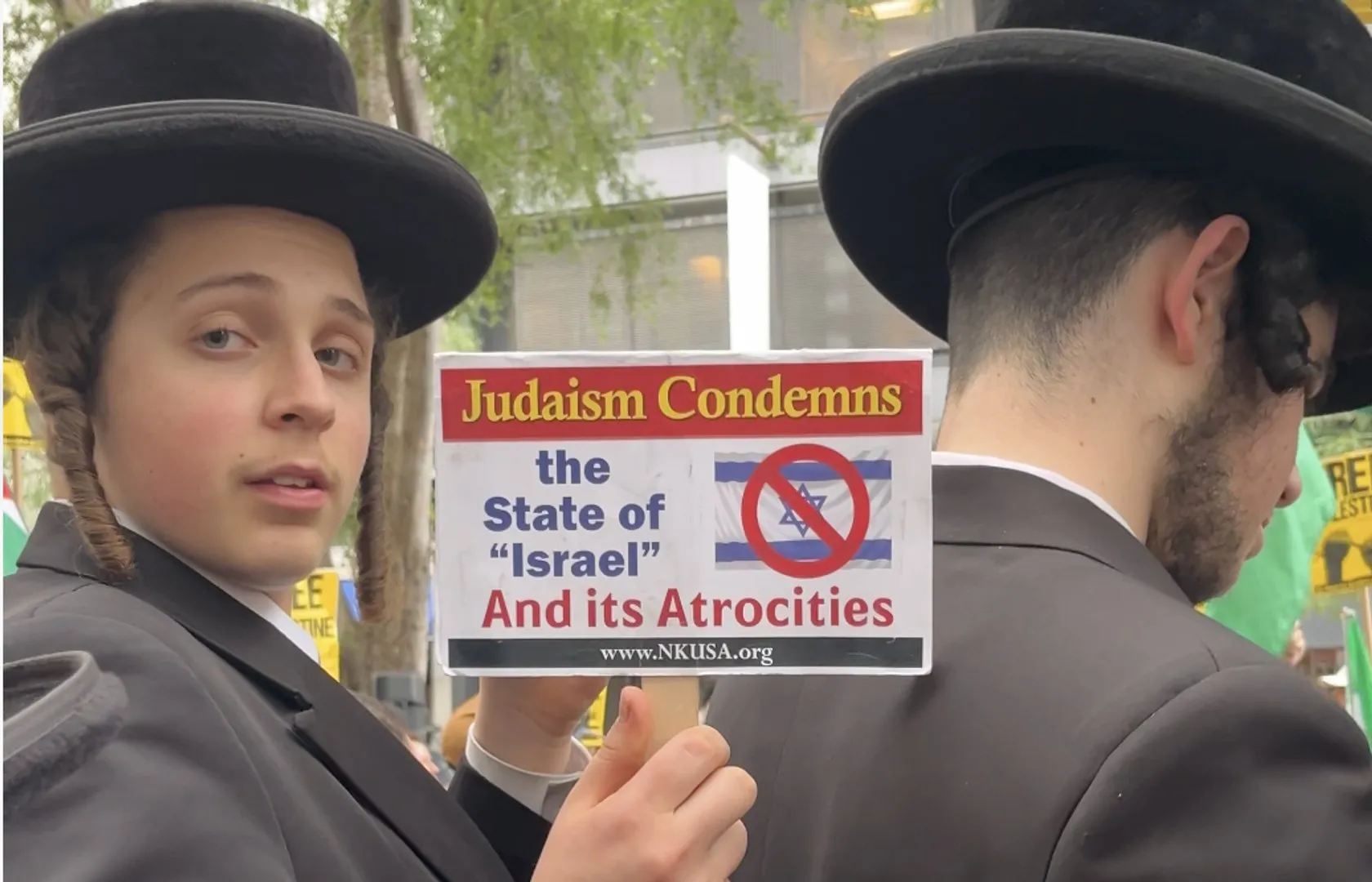
Simultaneously, New York City has become a focal point for the deep-seated divisions regarding the Israeli-Palestinian conflict. Following a contentious address srael's military actions as the "opposite of genocide"—demonstrations erupted across the city.
The protests featured a diverse array of participants, including Jewish demonstrators who explicitly rejected Netanyahu’s assertion that his government represents the global Jewish community. However, the atmosphere remained highly charged, with reports of counter-protests and clashes over political symbolism. In some instances, the presence of various flags, including those associated with Hamas and Hezbollah, intensified the confrontations, leading to arrests and heated exchanges regarding the nature of the protest movements.
Netanyahu’s speech further polarized the environment, as he directed sharp criticism at his detractors, including New York politician Zohran Mamdani, whom he labeled antisemitic. The exchange has fueled ongoing debates in the U.S. regarding the boundaries of political protest and the influence of international conflicts on domestic discourse.
In Indonesia, the immediate future will likely be defined ssure to either reform or pause the meal program, as the political cost of further health incidents could be catastrophic for the administration. Legal proceedings regarding the food distributors involved will serve as a bellwether for how the state intends to handle corporate accountability within this public-private partnership.
In the United States, the intensity of the protests suggests that the rhetoric surrounding the Middle East conflict will remain a flashpoint in domestic politics. With the UN General Assembly proceedings ongoing, further demonstrations are expected. The tension between free speech protections and the public order concerns cited l challenges regarding the right to protest in urban centers.