At least 12 people, including five children, have died after a residential building collapsed in western Gaza City following previous structural damage.
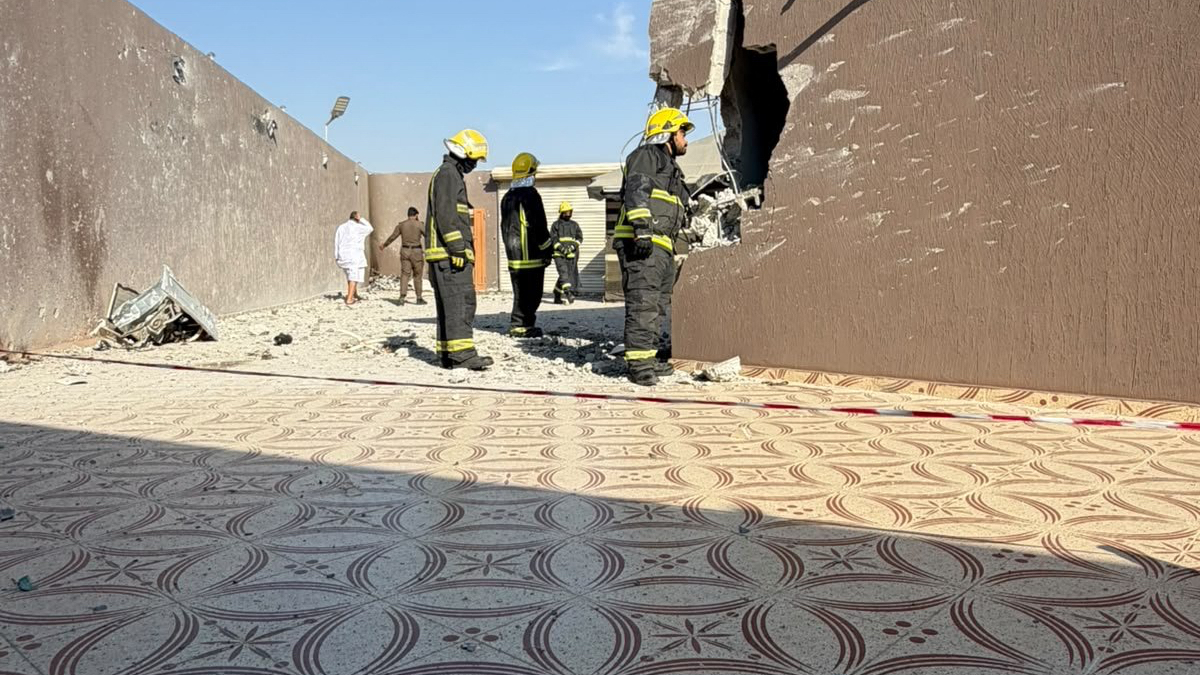
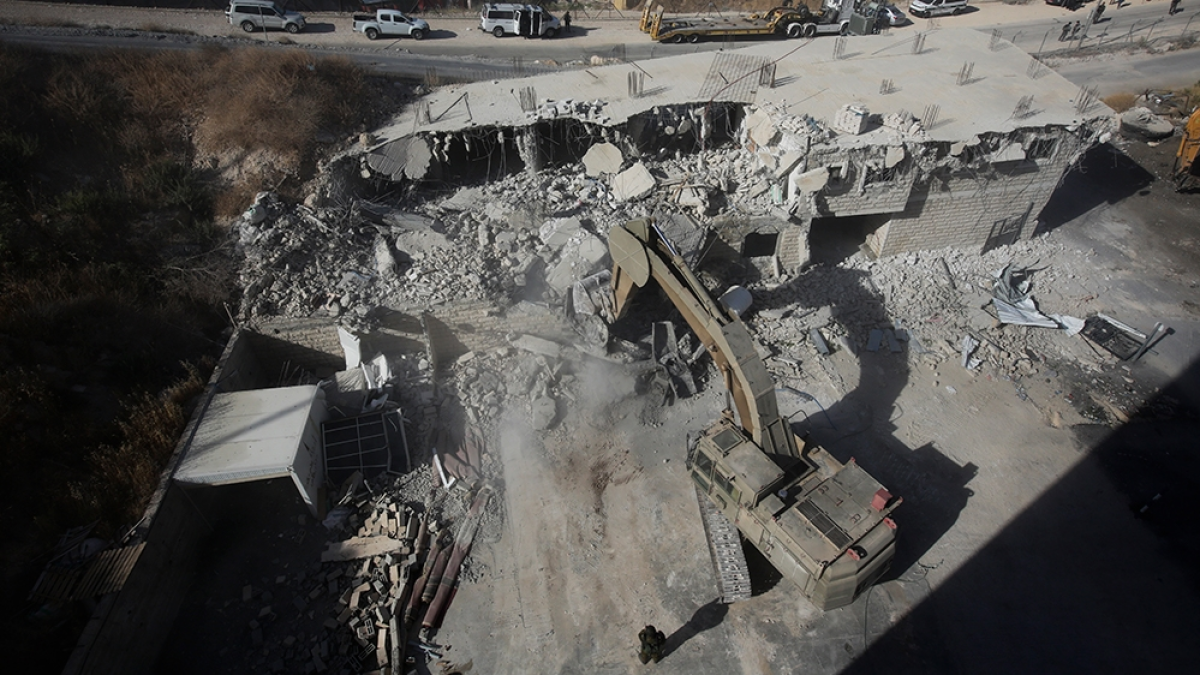
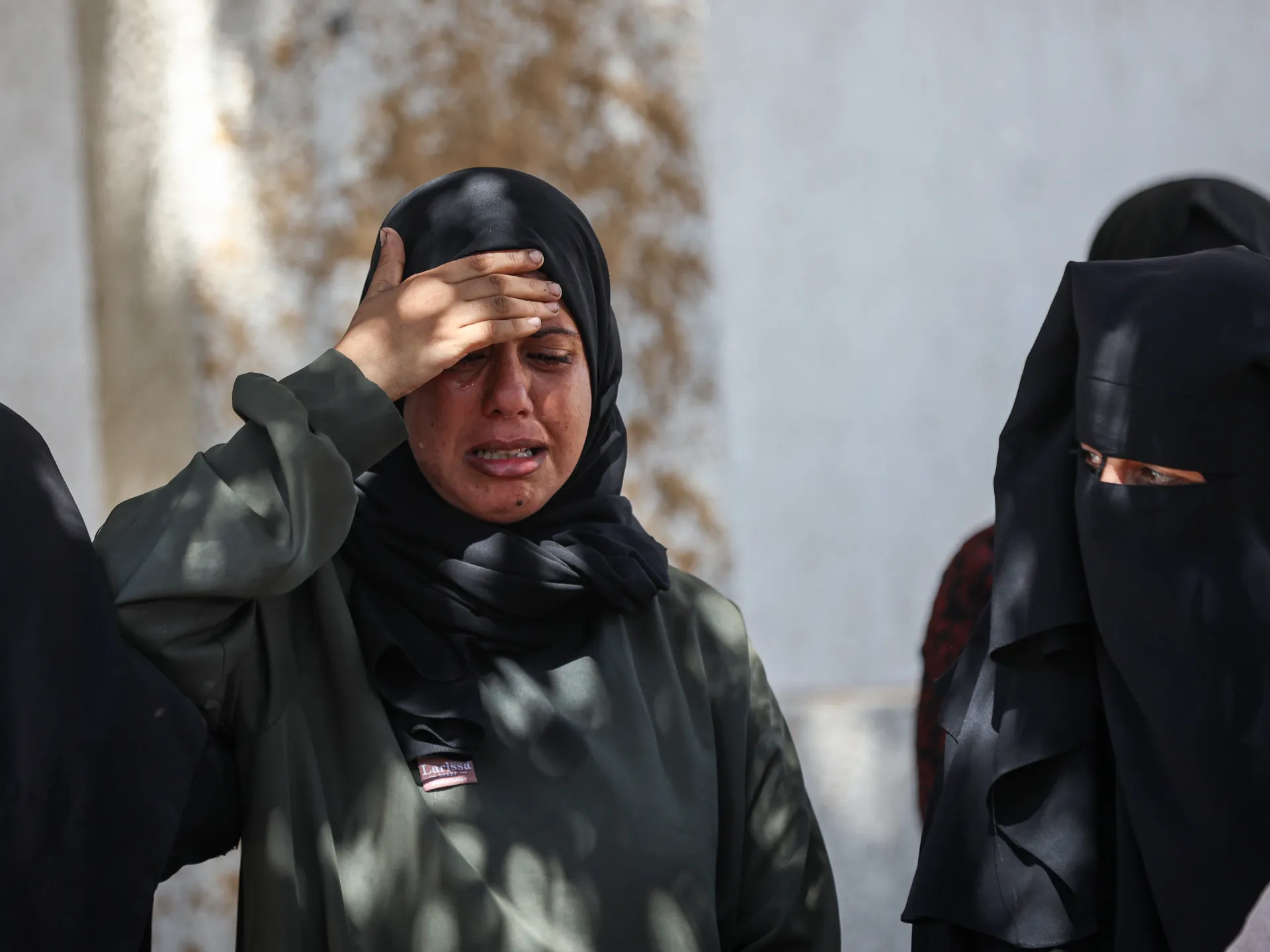
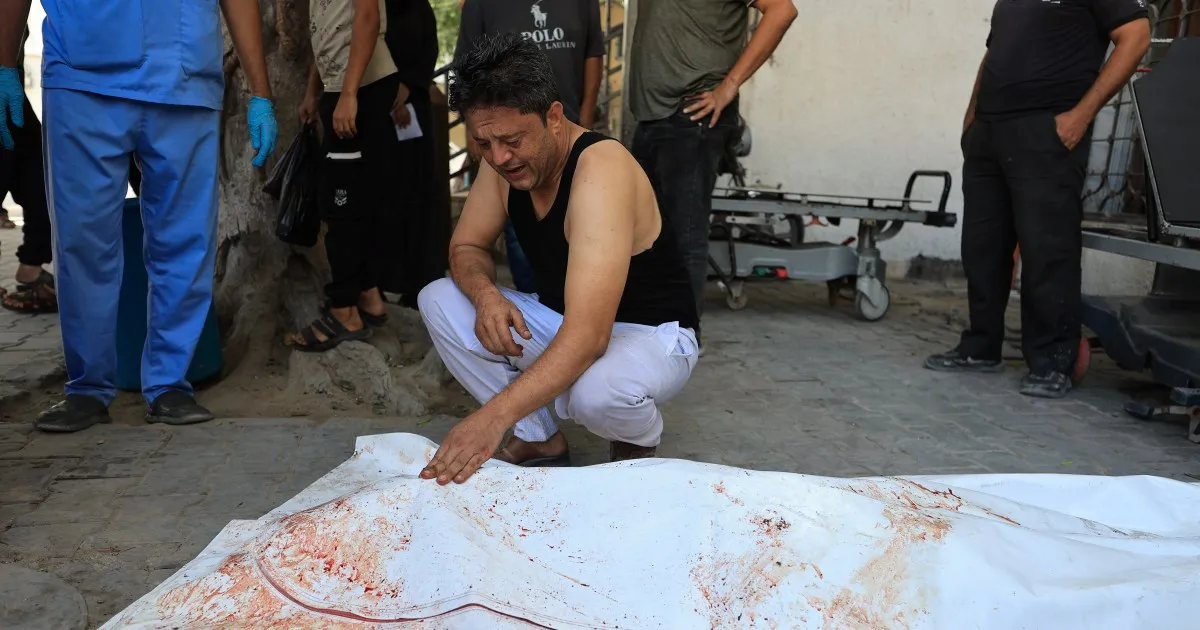
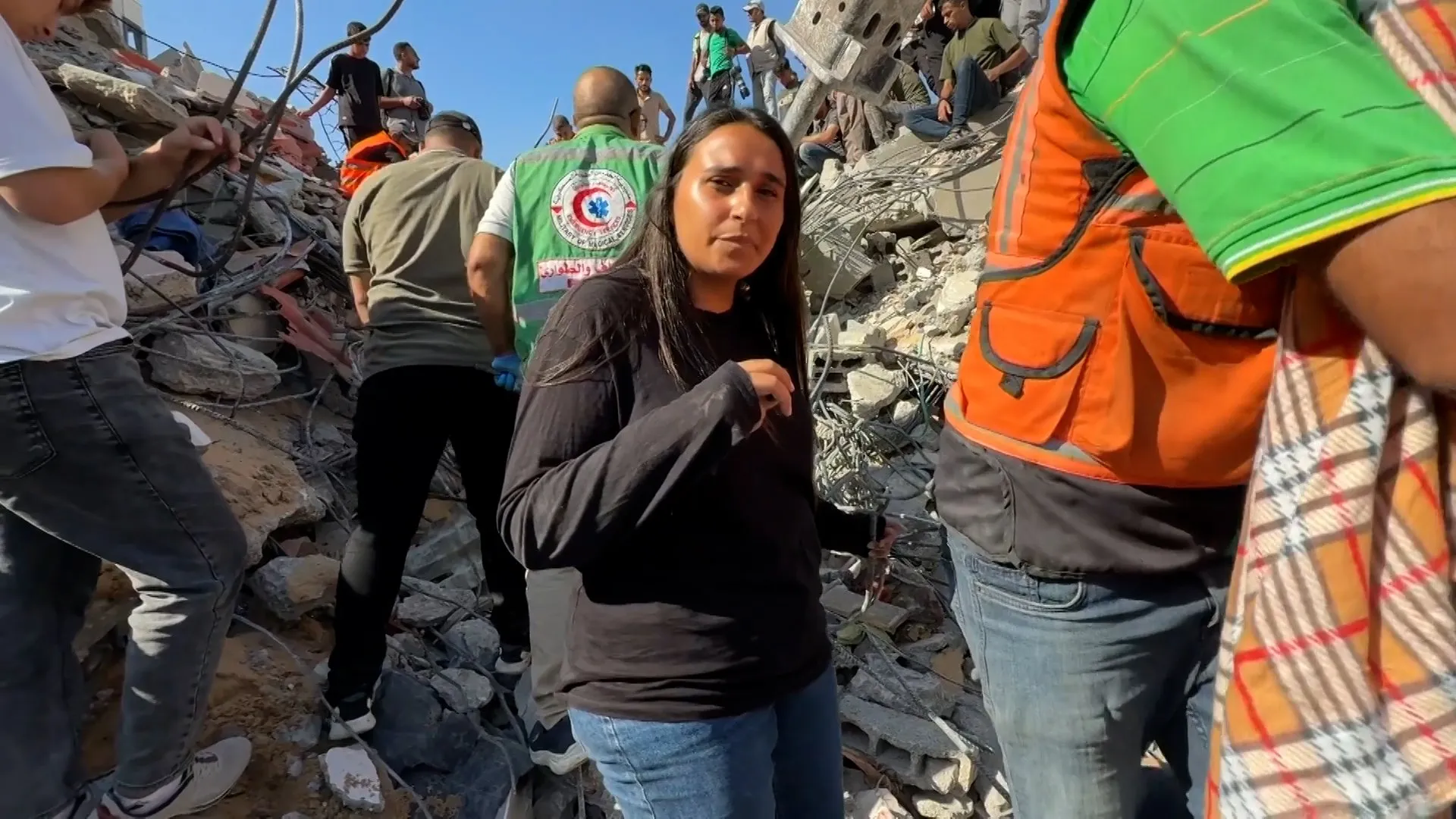
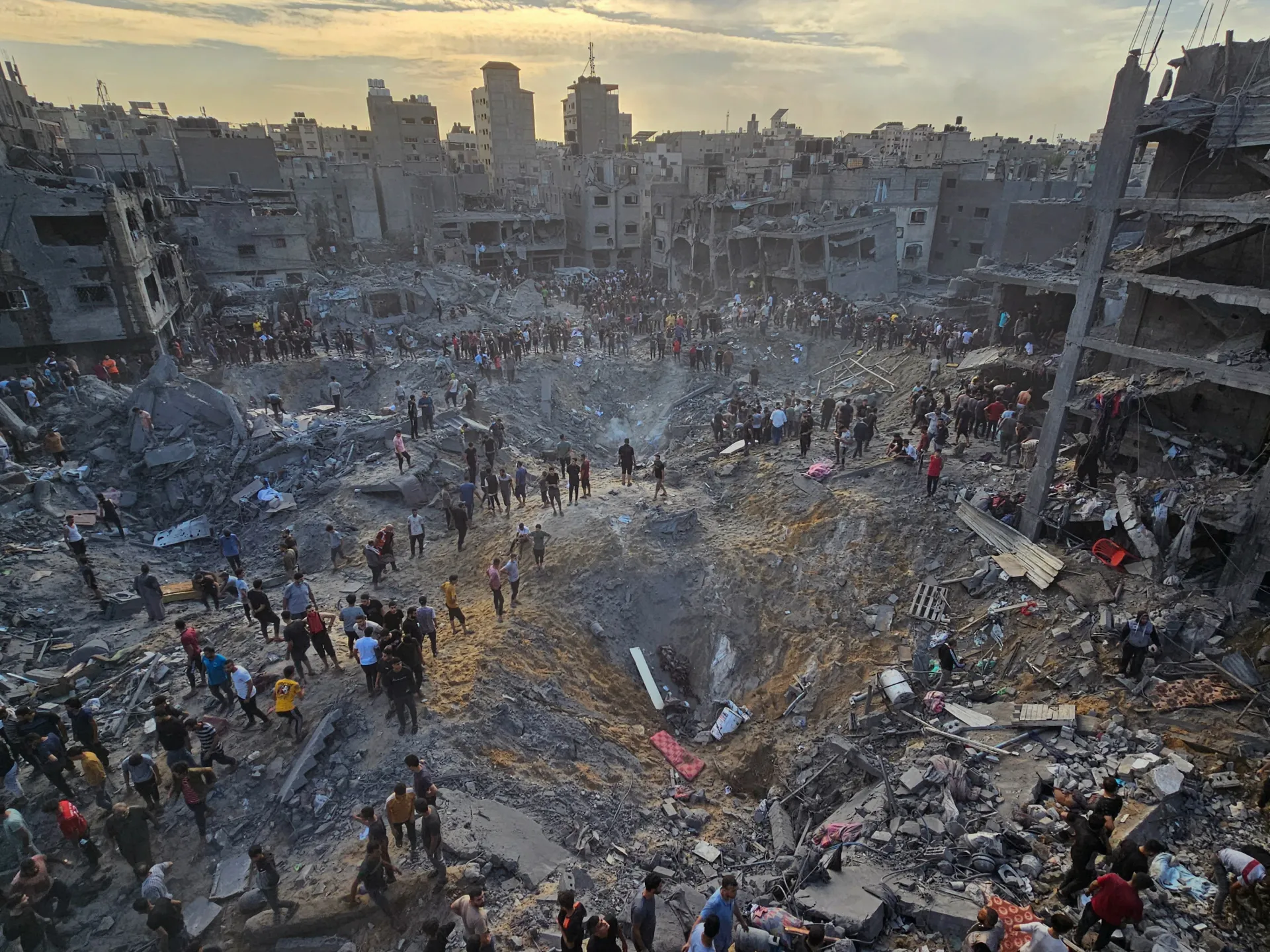
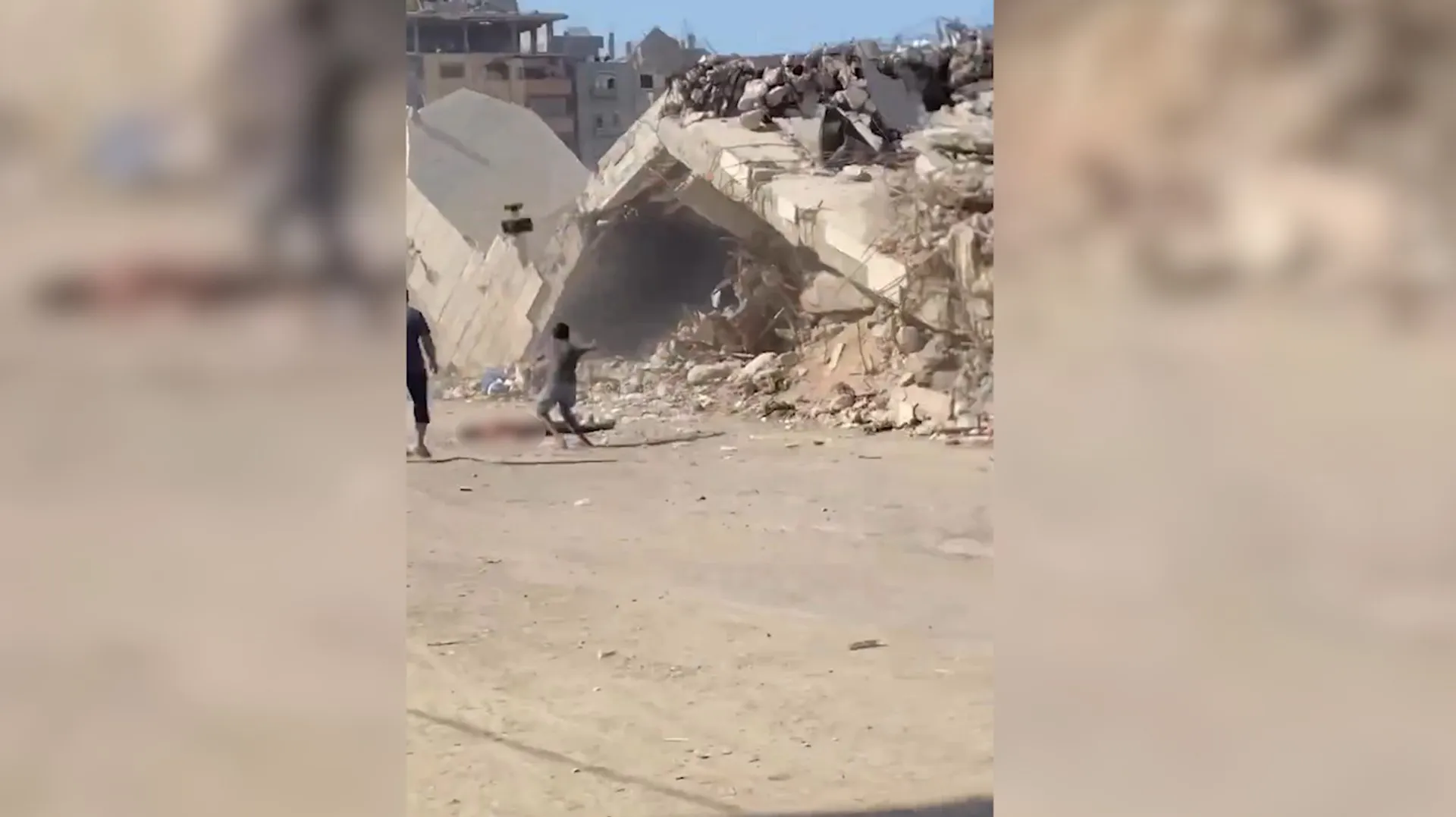
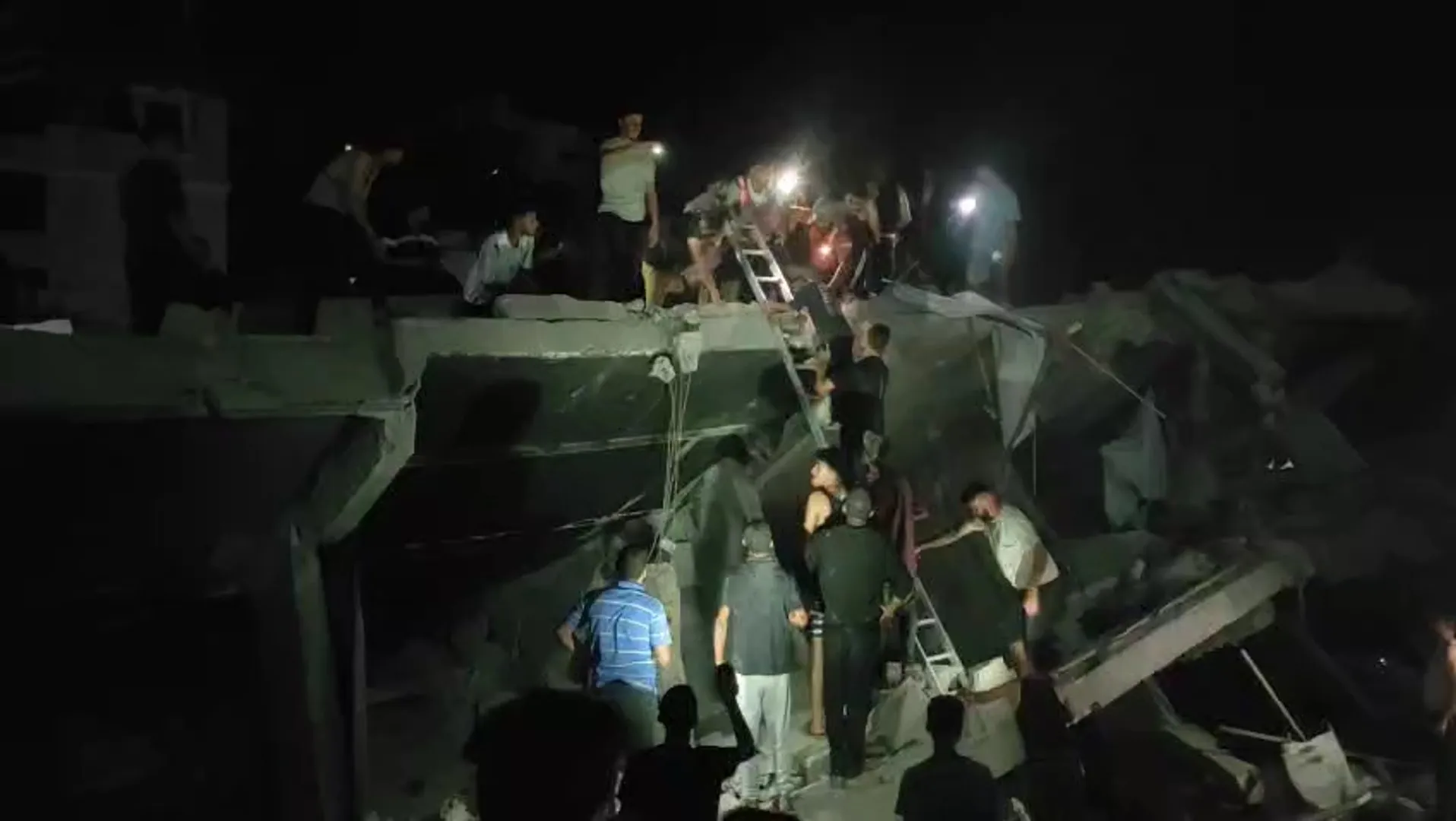
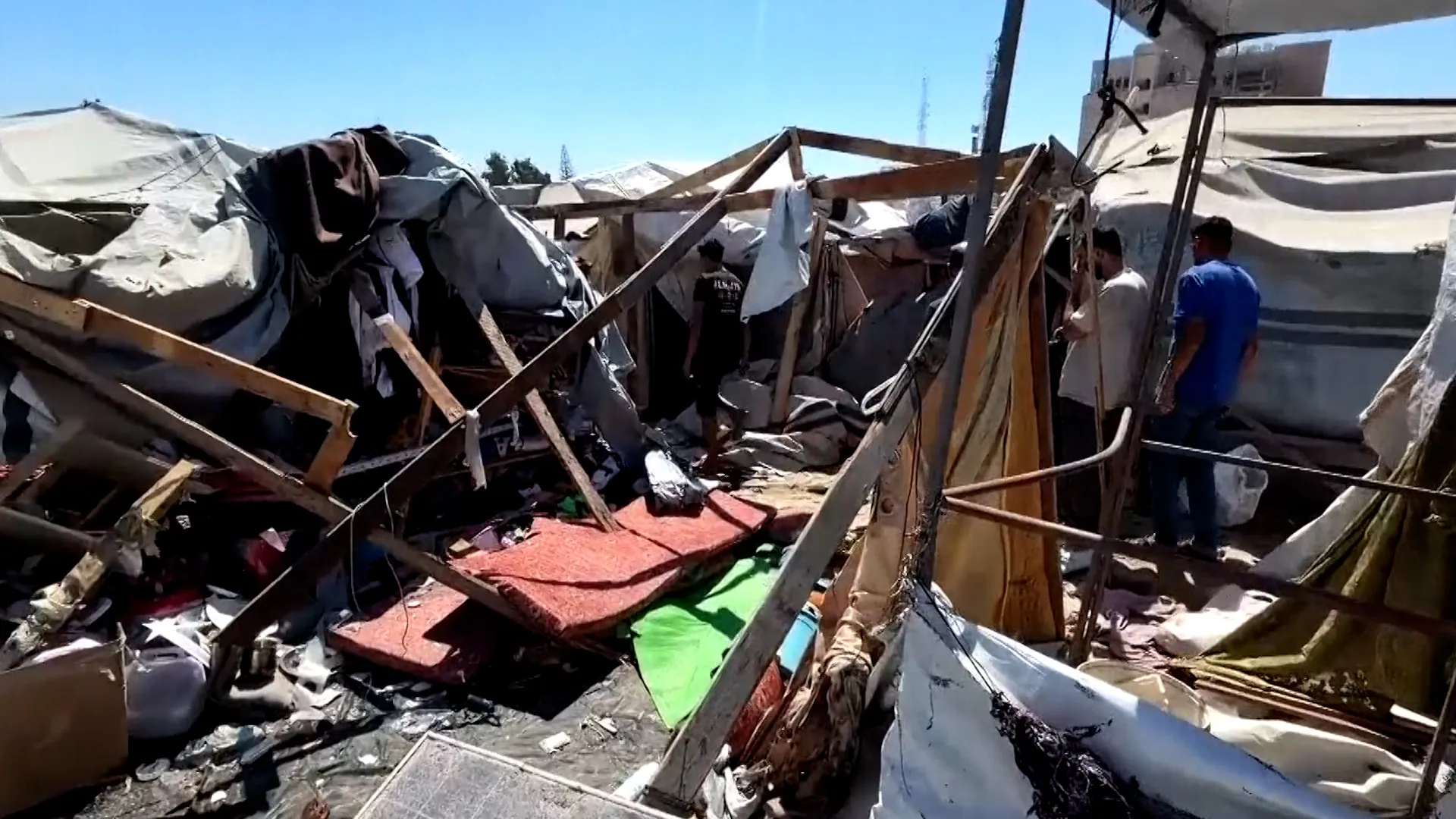
A catastrophic building collapse in western Gaza City has resulted in the deaths of at least 12 individuals, including five children and several women. The incident, which occurred overnight, has sent shockwaves through the local community, as rescue teams and residents scramble to locate survivors buried beneath the debris of the multi-storey structure. Reports suggest that as many as six families were inside the residential complex when it suddenly gave way.
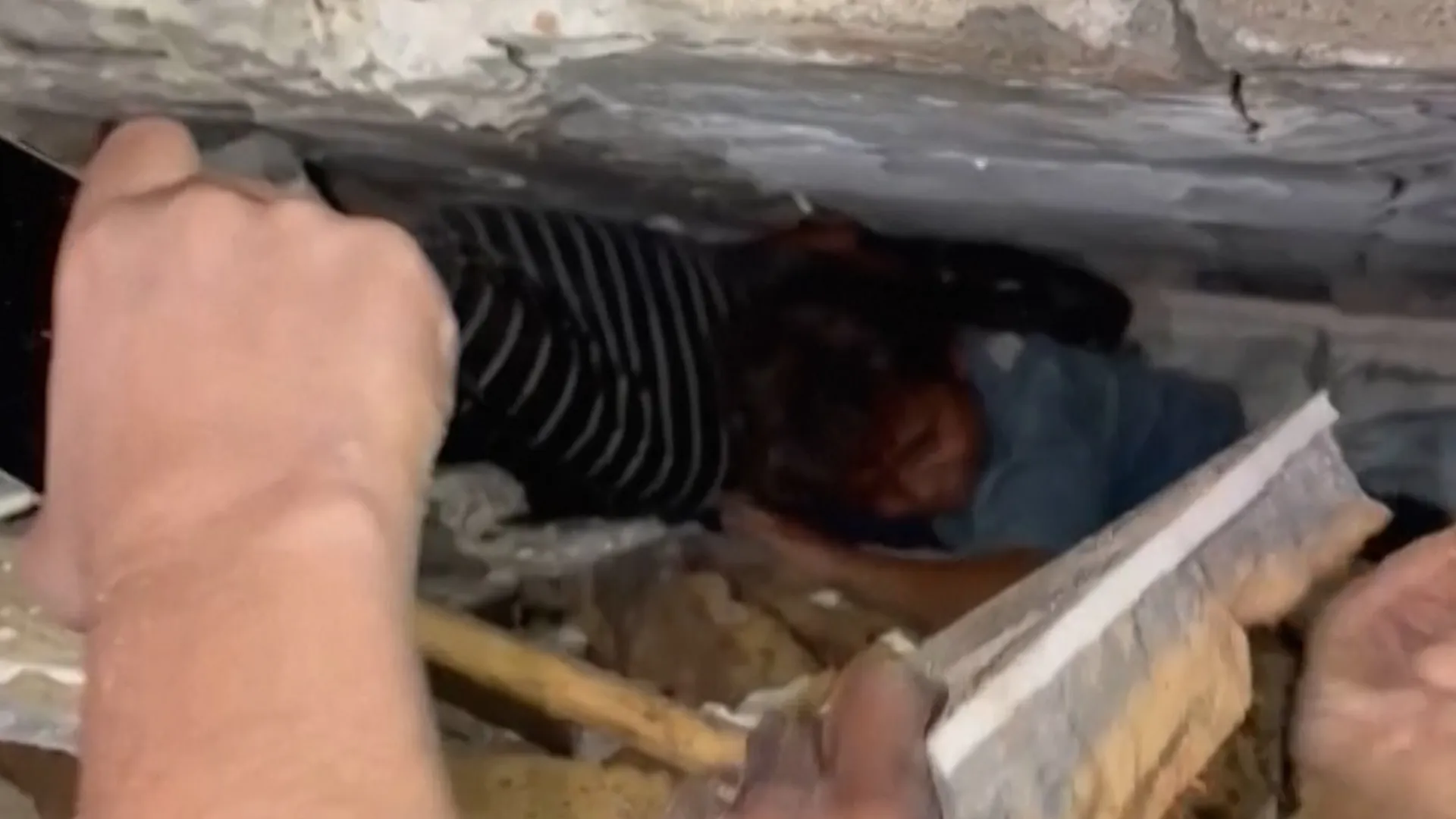
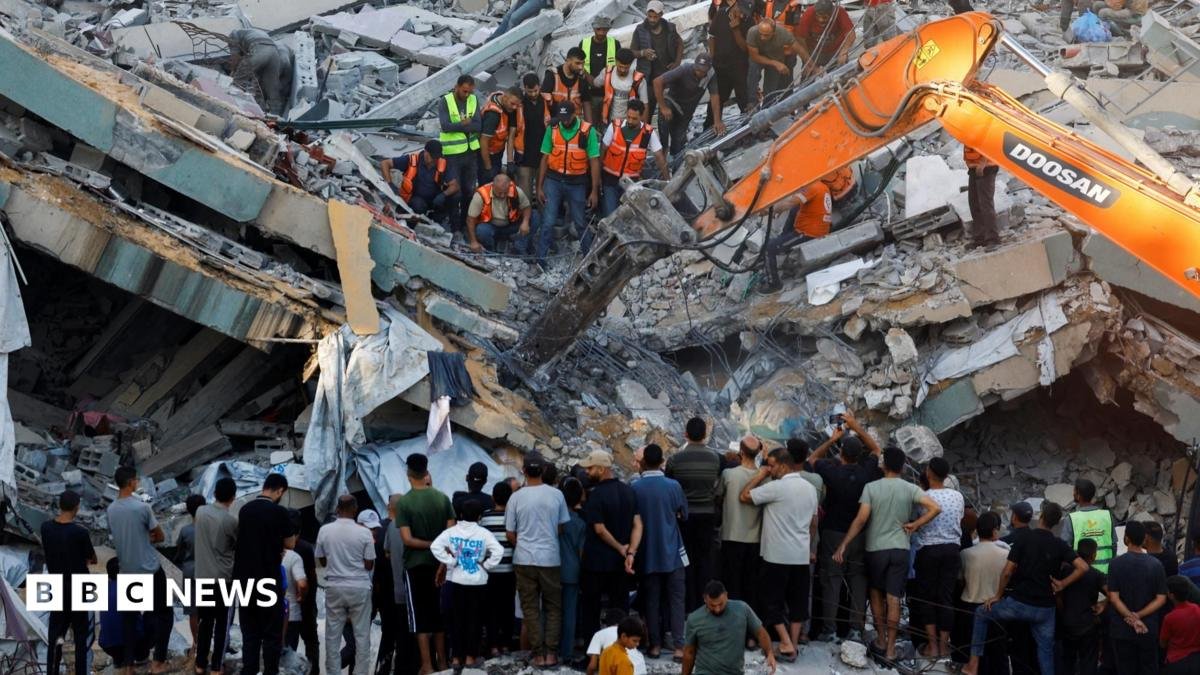
Verified footage from the scene captures the desperation of the situation, with the sounds of children calling for help emanating from deep within the concrete ruins. In a rare moment of relief, rescue crews were able to pull a young girl alive from the wreckage, alongside other survivors who were seen being rushed to medical facilities. Despite these efforts, the scale of the destruction has left many families mourning the loss of their loved ones in a disaster that highlights the extreme fragility of infrastructure in the region.
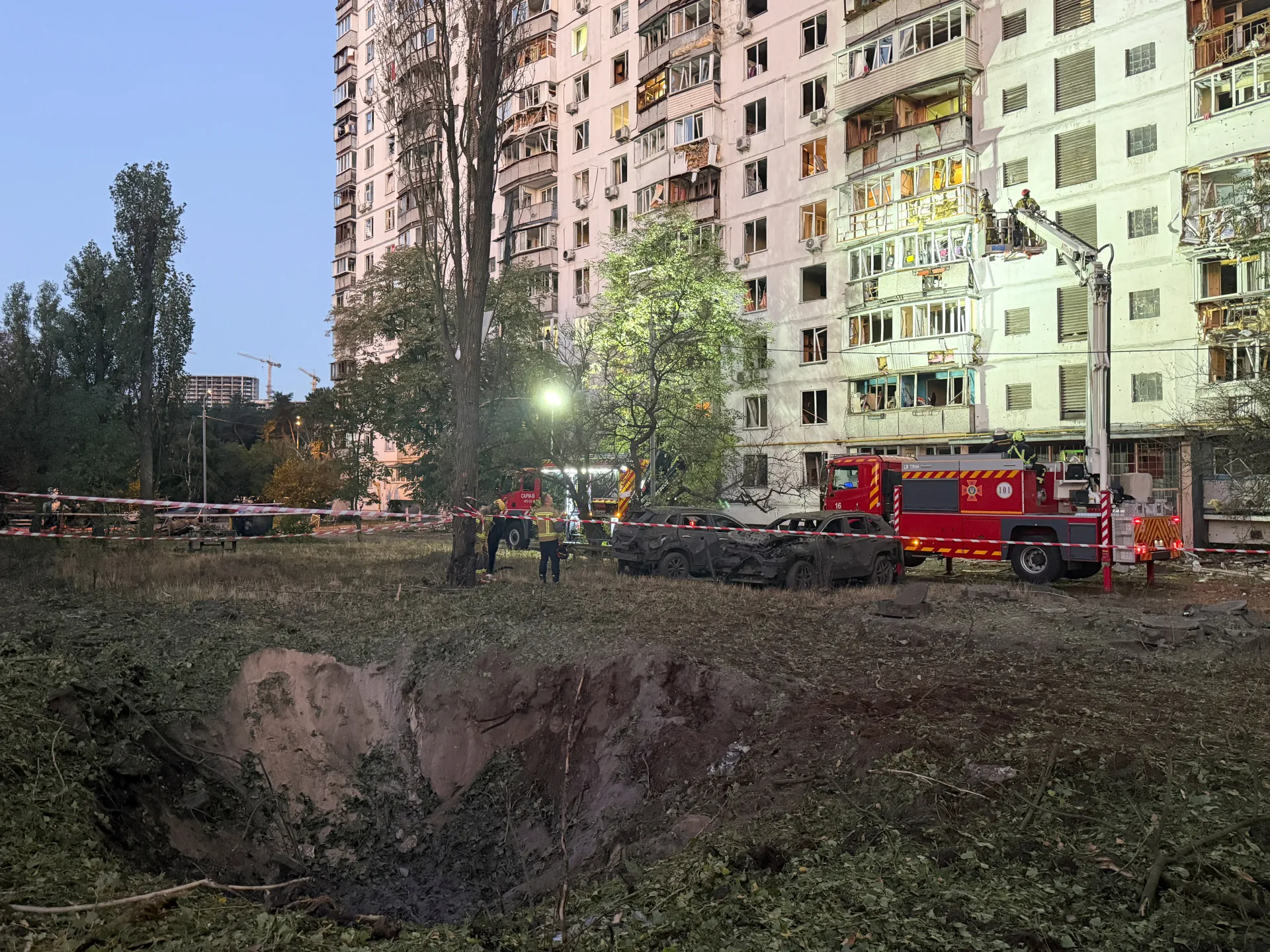
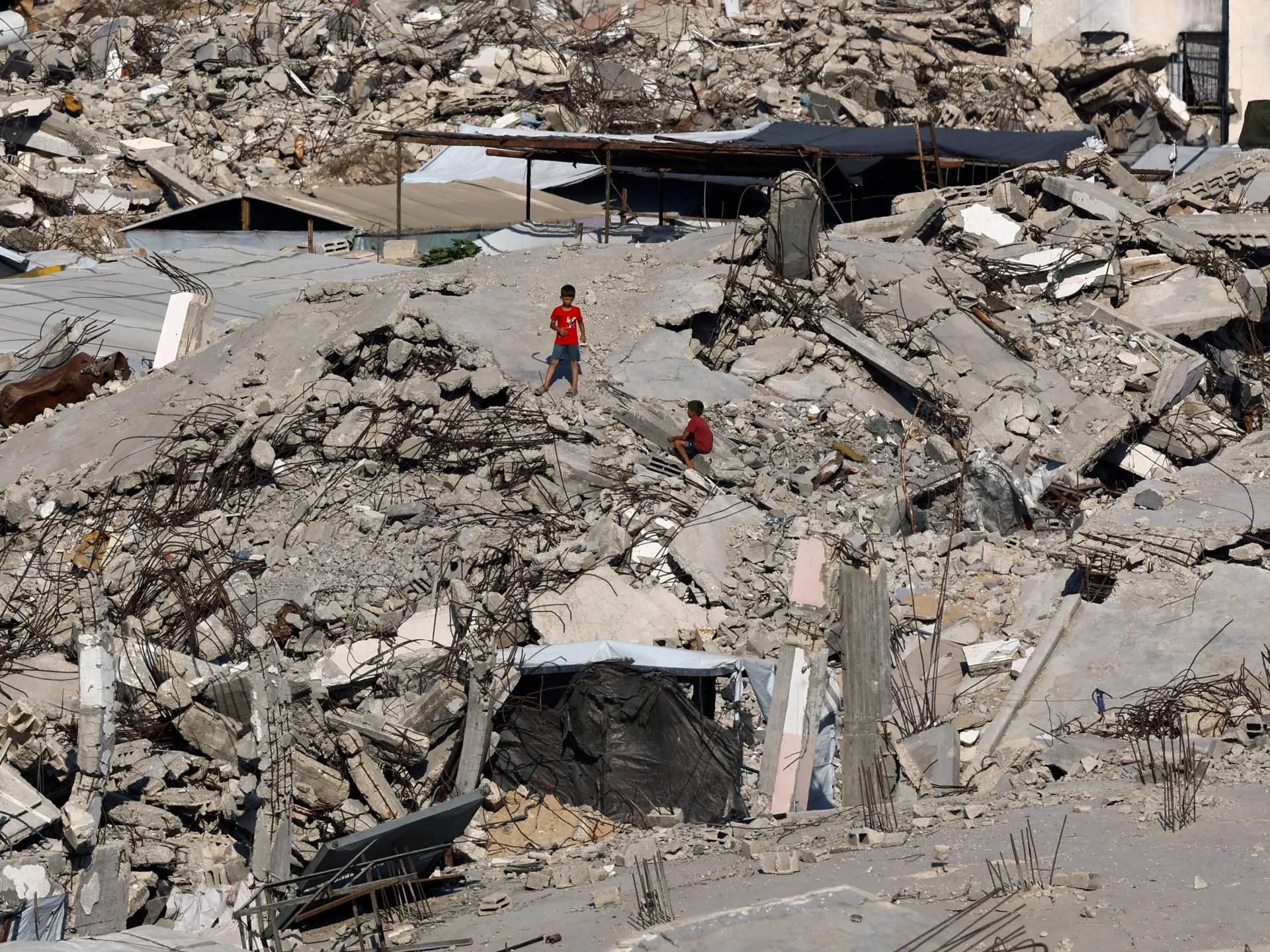
Local media reports indicate that the building had sustained significant damage during a previous Israeli military strike. The structural integrity of the complex had been severely compromised, leaving deep cracks and weakened supports that rendered the edifice hazardous long before its final collapse. This incident serves as a grim illustration of the dangers posed during ongoing hostilities.
Many residents continue to inhabit these compromised structures due to a lack of safe alternatives. With thousands of homes rendered uninhabitable or unstable, displaced families are frequently forced to return to or remain in buildings that are at high risk of sudden collapse. The lack of professional structural assessments and building materials has turned these living spaces into potential death traps for those struggling to survive the aftermath of war.
The response to this collapse has been significantly hindered ous work of excavation, are currently operating without the necessary heavy machinery required to safely clear rubble or stabilize crumbling structures. As a result, rescue teams are forced to rely primarily on manual labor to dig through heavy concrete, a process that is dangerously slow and physically taxing.
The ongoing restriction on the entry of construction materials and specialized rescue equipment into the territory remains a major obstacle for emergency services. Because heavy cranes and hydraulic tools are largely unavailable, the time required to reach trapped individuals is extended, drastically reducing the chances of survival in the critical hours following a collapse. This shortage not only complicates immediate rescue operations but also prevents the essential repairs needed to secure damaged buildings across the Gaza Strip.
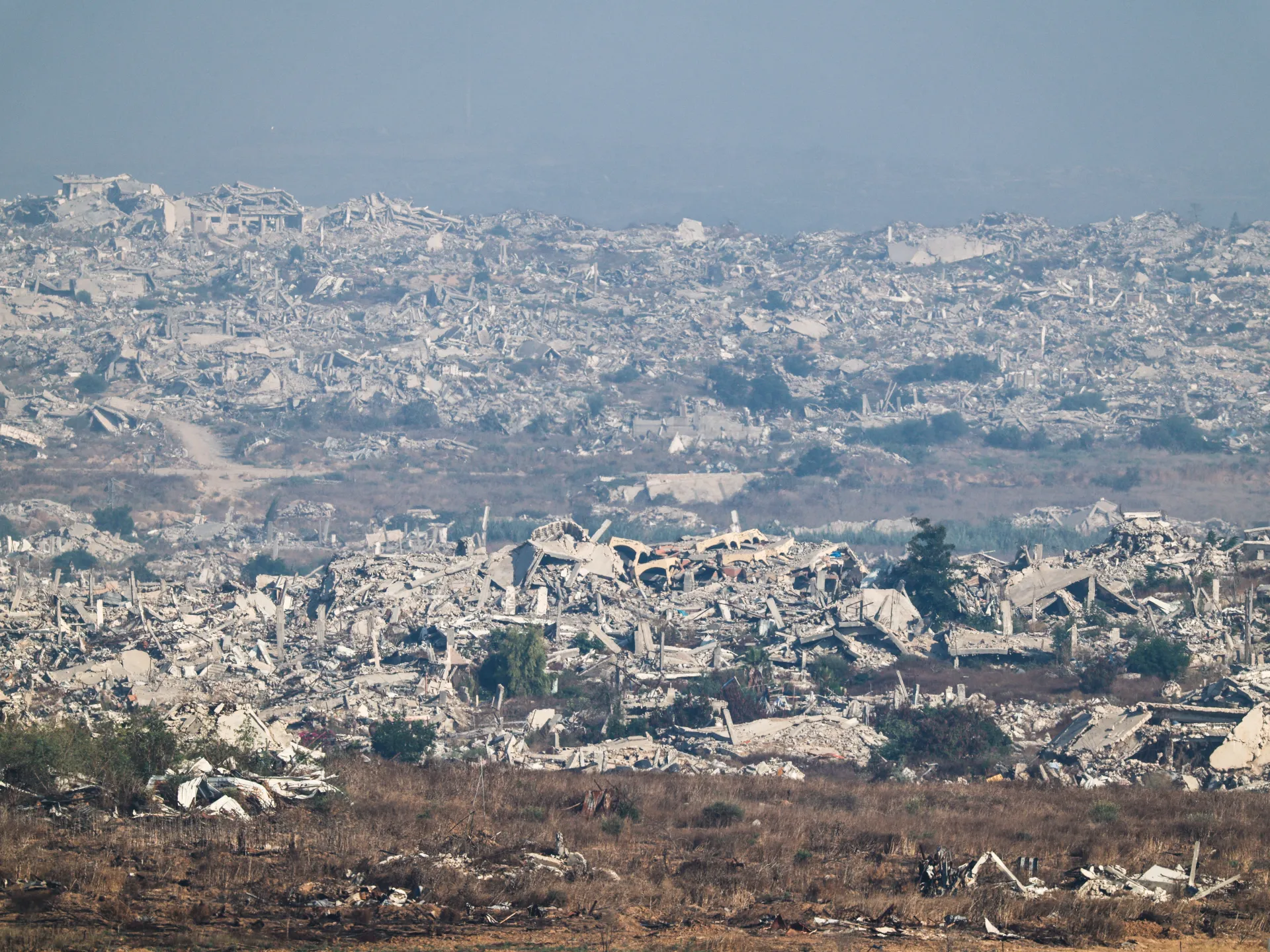
The collapse in western Gaza City is far from an isolated incident, reflecting a broader humanitarian crisis concerning housing and safety. Large sections of the territory remain covered in debris, and the inability to import materials for reconstruction means that the risk of future collapses remains high. Families are often left with the impossible choice between living in a damaged, unstable home or facing homelessness in an area where resources are already stretched to their absolute limit.