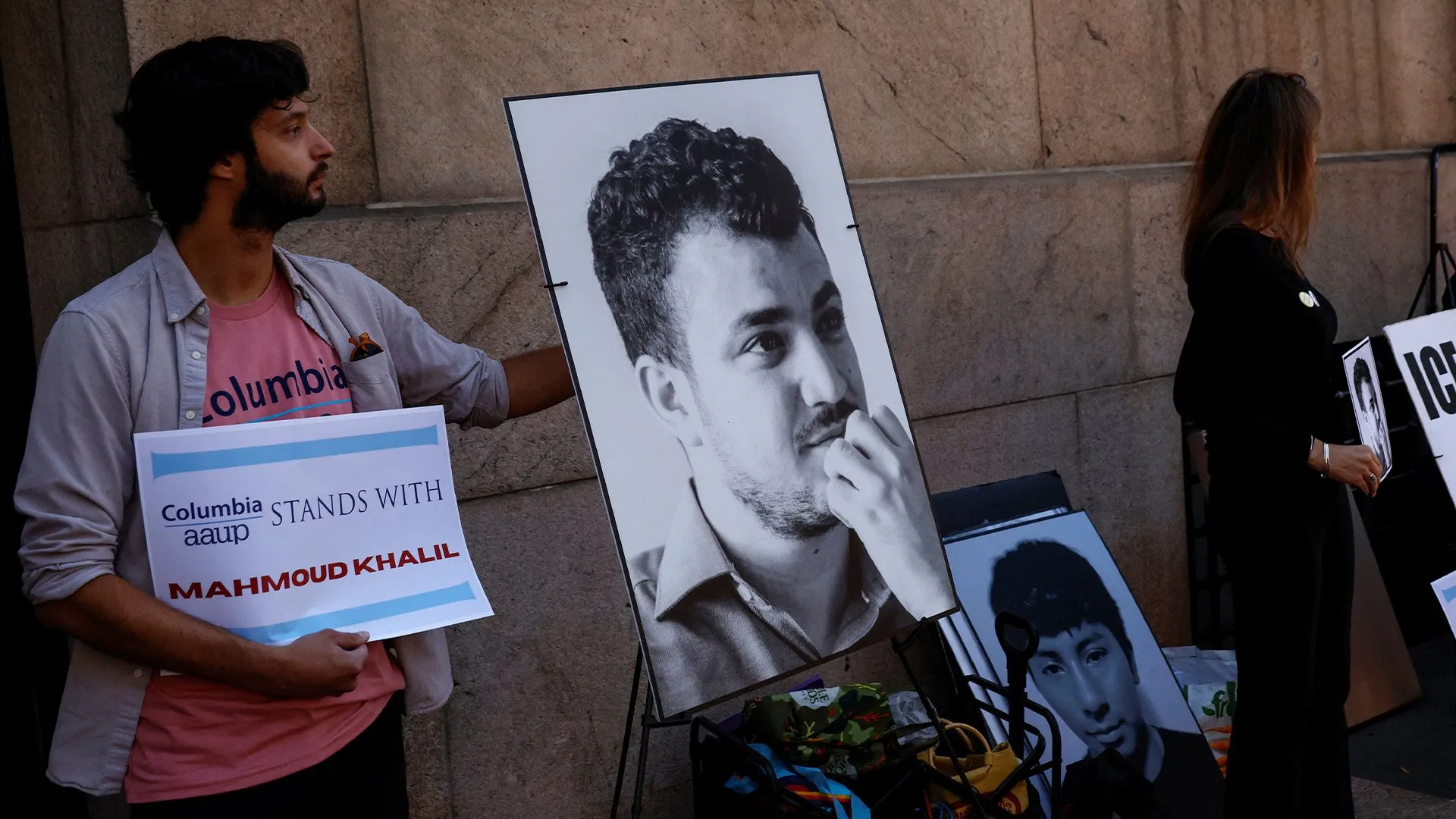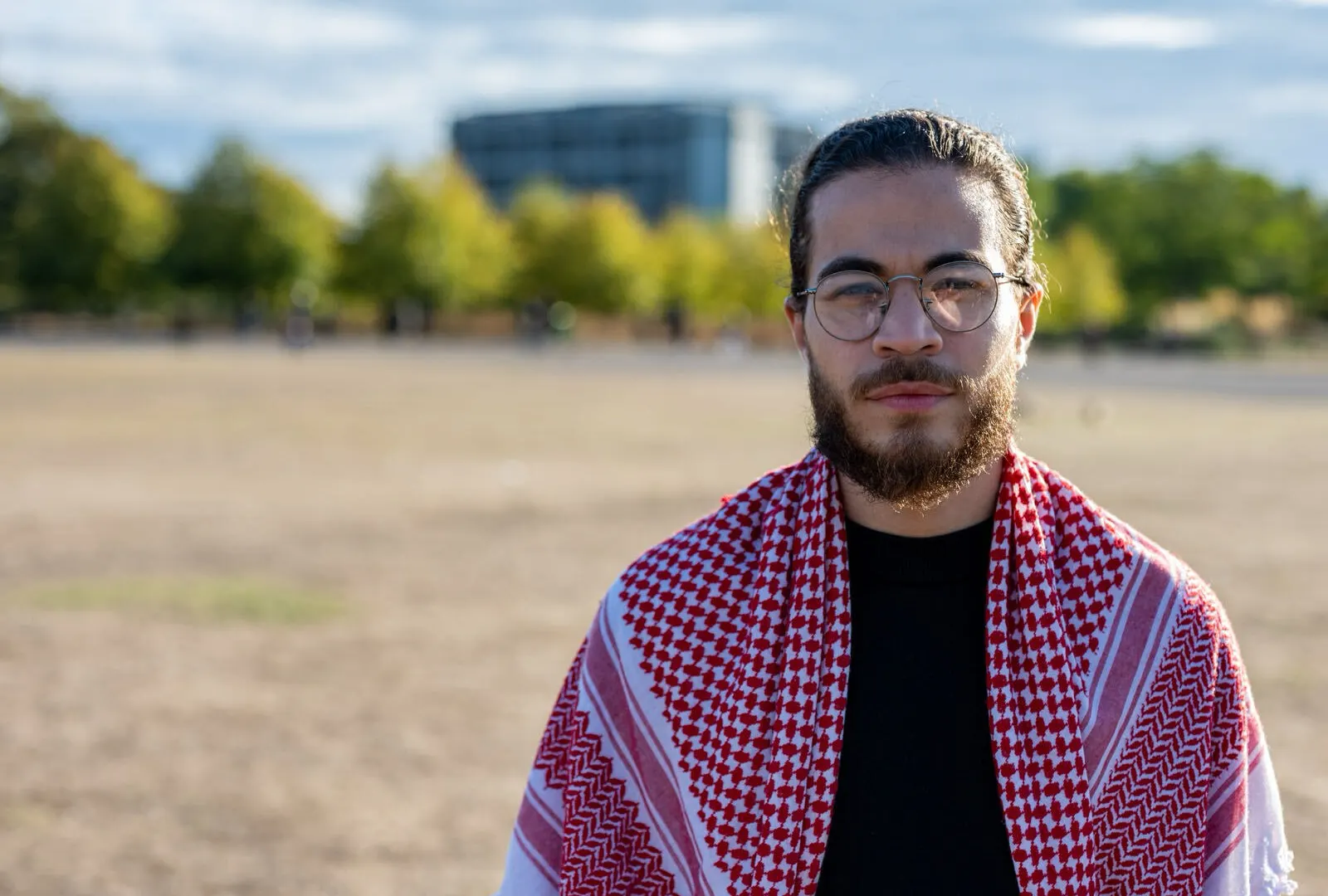
Mahmoud Khalil, a central figure in the 2024 campus protests, has filed a lawsuit against Columbia University alleging institutional racism and targeted harassment.
Mahmoud Khalil, a prominent graduate of Columbia University and a key figure in the 2024 student protest movement, has launched a formal lawsuit against the institution and Keren Yarhi-Milo, the dean of the School of International and Public Affairs (SIPA). The litigation, supported ic institutional racism directed at Palestinian students and their allies. Khalil asserts that the university's administrative actions fostered an environment of hostility that led to his personal targeting and legal persecution.
The lawsuit details claims of "deliberate indifference" and a pattern of "severe, persistent, and coordinated harassment" faced the students' advocacy for Palestinian rights and their perceived identity as Arab or Muslim individuals. The plaintiffs argue that the university's failure to protect them from harassment—which allegedly included doxxing and physical safety threats—constituted a violation of their rights and contributed to significant psychological, professional, and reputational harm.
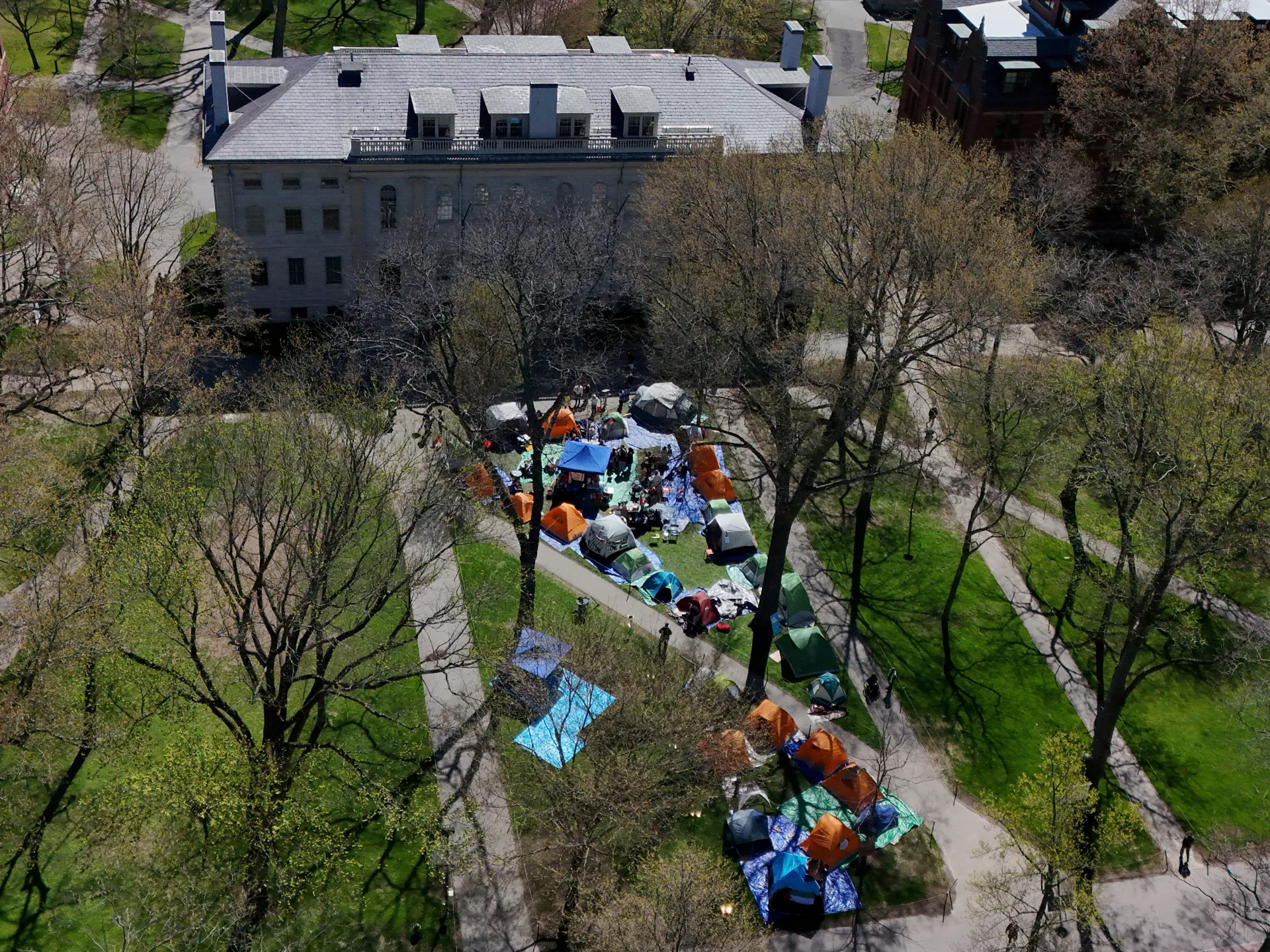
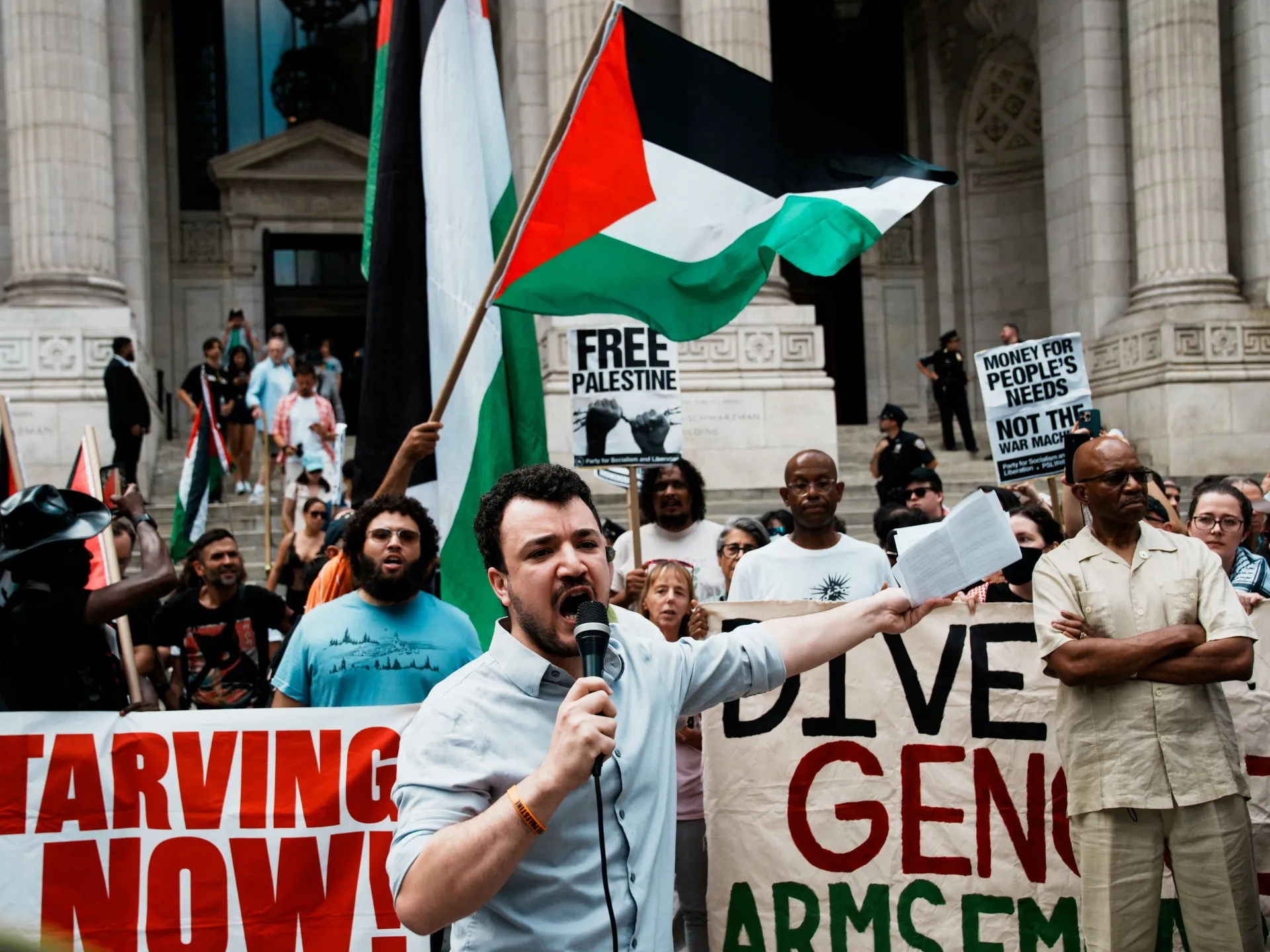
The roots of the current legal battle trace back to the 2024 campus encampments that originated at Columbia University before spreading globally. Khalil served as a lead negotiator during these protests, advocating for the university to divest from corporations associated with the Israeli military. These demonstrations eventually culminated in the occupation of Hamilton Hall, which students renamed "Hind’s Hall" in honor of a young Palestinian girl killed in Gaza. The university's refusal to meet divestment demands and the subsequent administrative crackdown set the stage for the deep-seated grievances now being litigated.
Following these events, the political climate surrounding student activism shifted dramatically. Federal authorities, under the administration at the time, targeted numerous student protesters, leading to hundreds of arrests and the revocation of visas for many, including legal permanent residents. Columbia University found itself under intense pressure, eventually reaching a significant financial settlement in 2025 to restore federal funding that had been withheld due to allegations regarding the university's handling of campus protests.
Khalil’s legal struggle extends far beyond the campus grounds. In March 2025, his arrest was documented in viral footage that depicted him being removed from his residence is status as a legal permanent resident of the United States, Khalil was held in detention for 104 days, during which he missed the birth of his child. This period of incarceration became a focal point for his supporters, who view his treatment as a clear example of state-sponsored intimidation aimed at silencing political dissent.
While a federal judge ruled late last month that the previous administration violated the constitutional rights of international students l journey remains complex. After an appeals court panel dismissed his petition earlier this year, his legal team signaled their intent to take the matter to the Supreme Court. The current lawsuit against Columbia is an additional front in this broader effort, as Khalil seeks to hold the university accountable for its role in enabling the environment that allowed for such severe consequences for his activism.
Columbia University has yet to provide a formal response to the specific allegations contained in the new lawsuit. In earlier statements regarding broader campus tensions, the administration has maintained that it remains committed to protecting the community from discrimination and harassment. The university has emphasized that it takes safety concerns seriously and follows internal protocols to respond to reports of misconduct. However, the plaintiffs argue that these general commitments have failed to address the specific, targeted campaigns of harassment that have affected the PWG since its inception in 2018.
As the legal proceedings move forward, the case is expected to draw significant attention to the intersection of academic freedom, institutional responsibility, and the rights of students to engage in political protest. Khalil and his fellow activists are seeking multiple forms of relief, including the reversal of their suspension from the university, an injunction against future discriminatory actions, and the restoration of Khalil's access to campus. The outcome of this case may set a critical precedent for how universities navigate the tension between maintaining order and upholding the civil rights of their student populations in an increasingly polarized climate.