The US has officially confirmed the deployment of an offensive weapon in Earth's orbit, marking a major shift in national defense strategy.
The United States government has officially confirmed the deployment of an offensive weapon into Earth's orbit, marking a significant milestone in the nation's military posture. This admission, delivered , represents the first time the U.S. has openly acknowledged possessing such capabilities in space. The development is framed as a necessary measure to ensure the security of American forces against an increasingly complex array of global threats.
While specific technical details regarding the nature of the weapon, its precise orbital trajectory, or the timeline of its deployment remain classified, the announcement signals a shift in how the U.S. views the final frontier. Military leadership emphasizes that the move is a proactive response to the evolving nature of modern warfare, where space is no longer just a neutral environment for observation but a contested domain where national security interests must be defended.
The strategic move comes as the U.S. Space Force—the youngest branch of the American military—continues to refine its mission parameters. Since its inception in 2019, the Space Force has been tasked with the protection of hundreds of satellites that facilitate essential military communications, global navigation, and high-stakes surveillance. Officials have clarified that the agency’s mandate involves "space control," a mission area that includes both kinetic and non-kinetic means to disrupt, degrade, or destroy adversary capabilities when necessary.
This doctrine reflects a broader military perspective that space-based assets are vulnerable and must be protected through active deterrence. ternational rivals that the U.S. will not sit idle while its critical infrastructure is targeted. The capability is intended to be used for both defensive and offensive operations, depending on the requirements set forth
The geopolitical landscape of space exploration has changed drastically since the 1967 Outer Space Treaty, which prohibited the placement of weapons of mass destruction in orbit. While the treaty remains in force, major global powers have spent decades developing "counterspace" technologies that operate in the gray areas of international law. These technologies are primarily designed to target the satellite networks of adversaries, effectively blinding or silencing them during times of geopolitical tension.
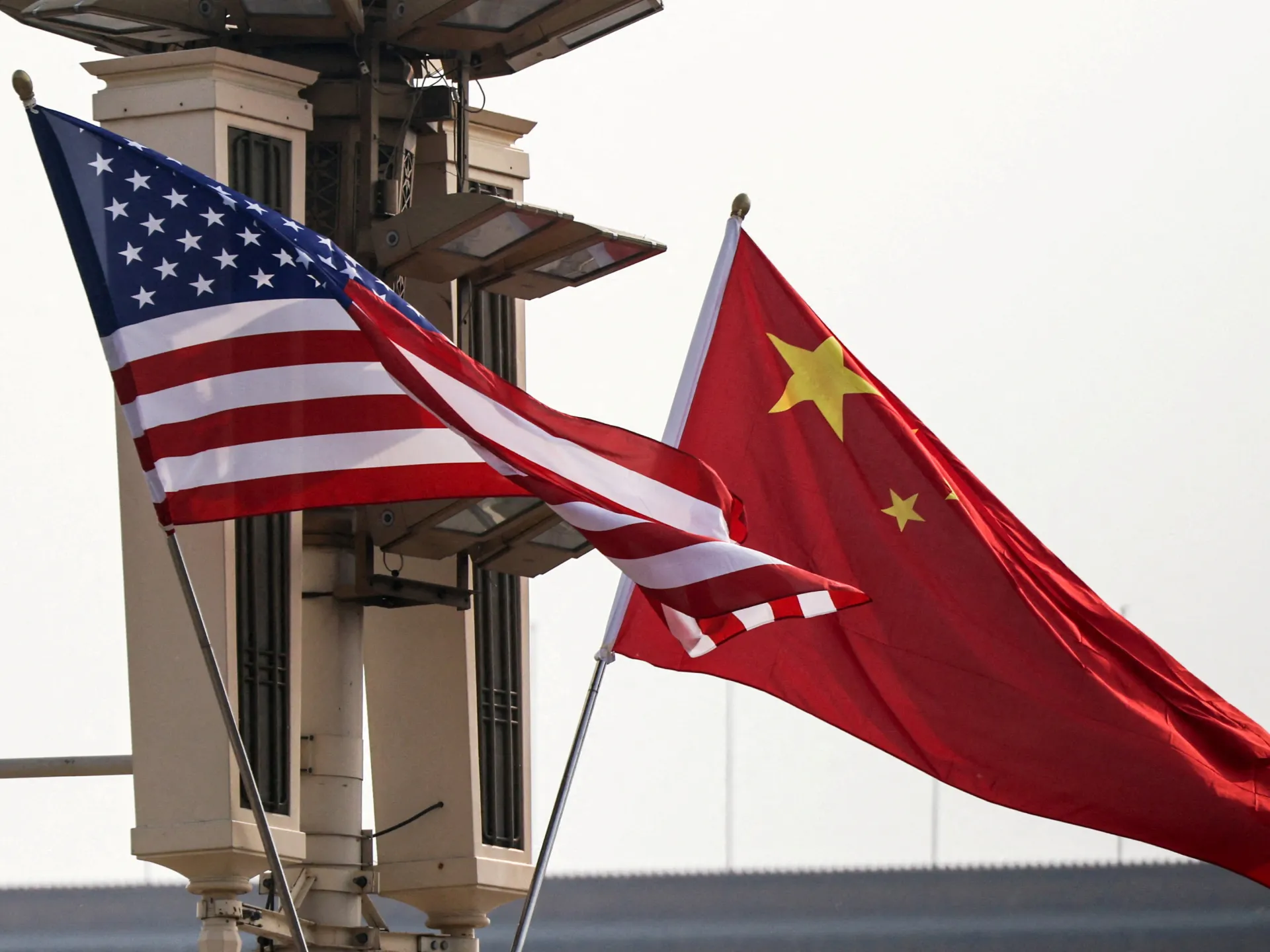
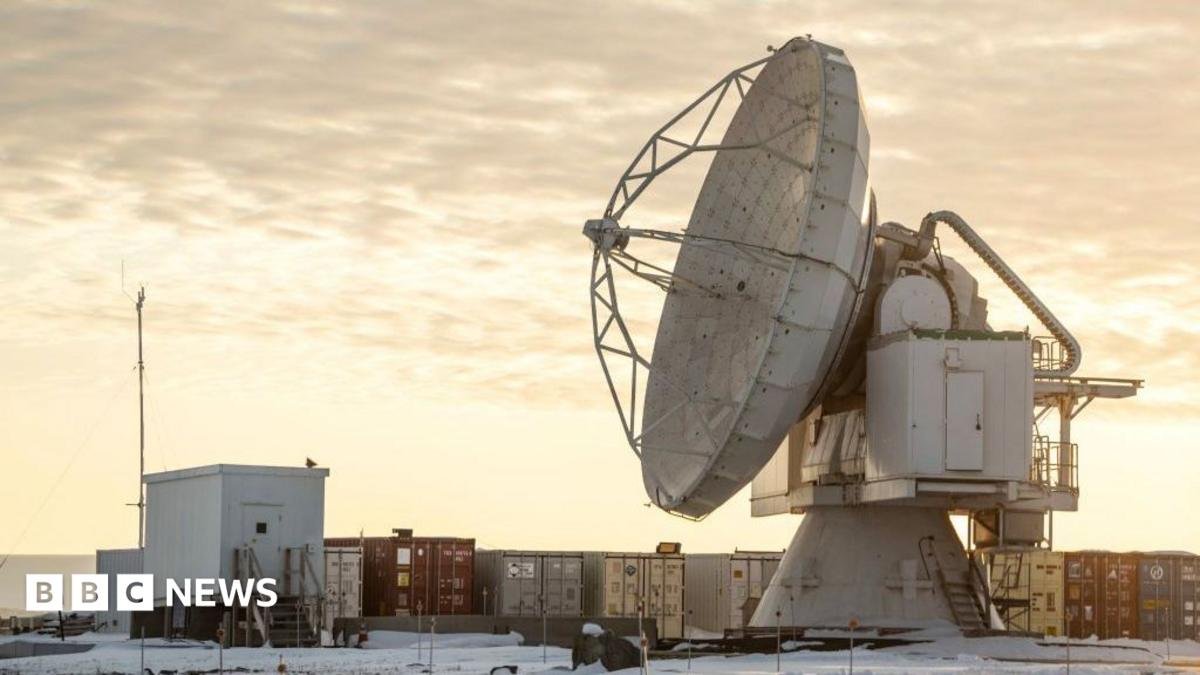
Intelligence reports have highlighted that both Russia and China are aggressively modernizing their military strategies to focus on space supremacy. Recent activities, including the movement of Russian satellites near European communications networks, have underscored the vulnerability of orbital infrastructure. The U.S. assessment suggests that Russia views the space domain as a warfighting environment where dominance will be the deciding factor in future large-scale conflicts.
The integration of space weapons into the U.S. arsenal is also linked to broader defense initiatives, such as the proposed "Golden Dome" system. This project aims to utilize space-based assets, including interceptor missiles, to create a robust shield against airborne and ballistic threats. se attacks and maintain a technological edge over adversaries who are rapidly developing their own anti-satellite capabilities.