

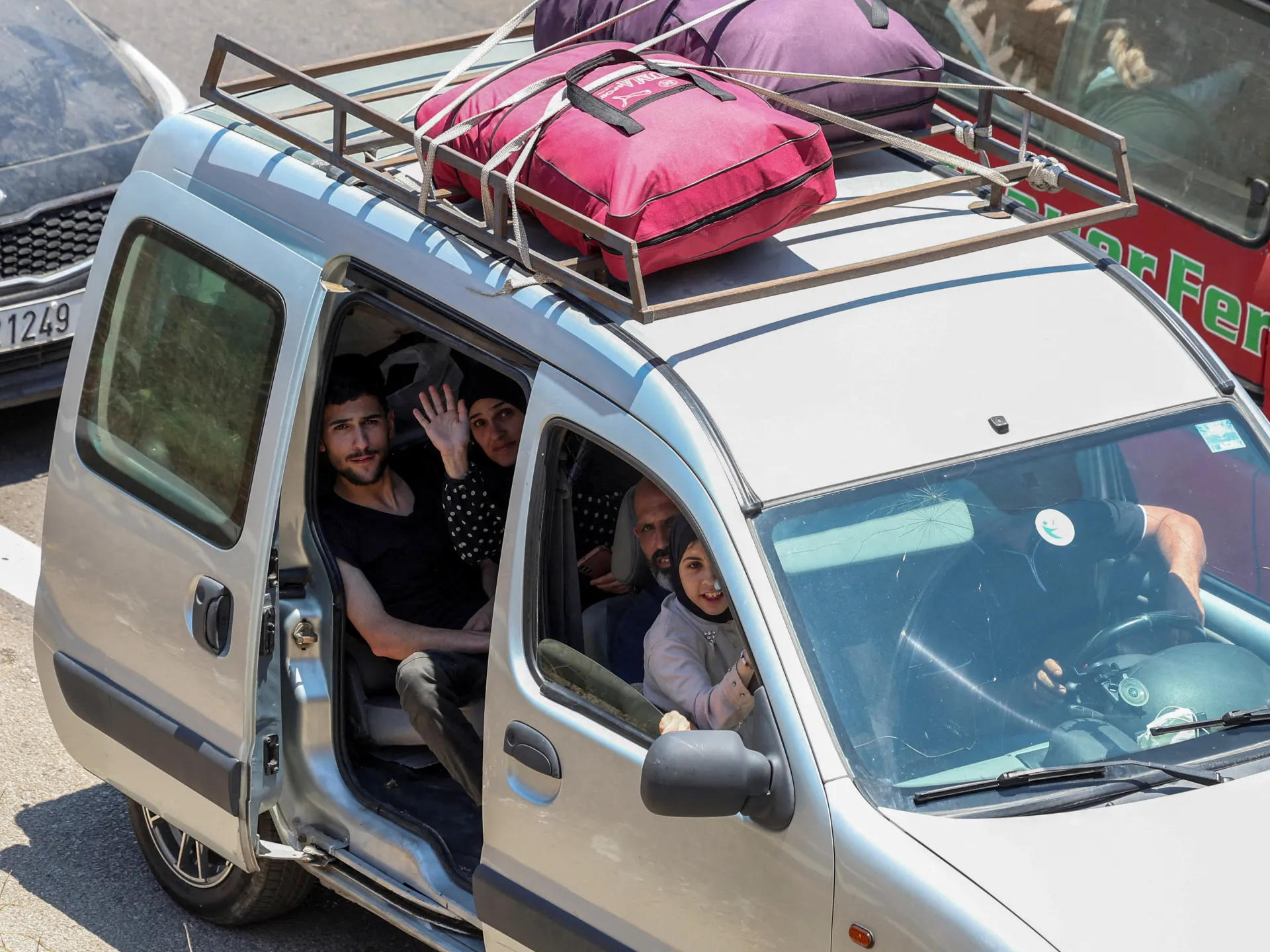
Despite a decrease in the number of displaced people in Lebanon, humanitarian experts warn that the crisis is far from over as persistent destruction and economic instability make permanent return increasingly difficult.
The landscape of displacement in Lebanon has shifted significantly since the peak of the conflict in April, when over 1.2 million individuals were forced from their homes. While recent estimates suggest that the number of displaced persons has dropped to approximately 330,000, experts warn against interpreting this decline as a sign of long-term stability. The situation on the ground remains highly fluid, with many families caught in a precarious cycle of movement based on the shifting intensity of military operations.
According to representatives from the United Nations Refugee Agency (UNHCR), the current figures do not represent a resolution to the humanitarian crisis. Instead, the persistent threat of renewed violence means that displacement patterns are frequently reversible. Many of those who have returned to their towns and villages are doing so in the face of significant risk, often moving back to areas where critical infrastructure remains damaged or destroyed, leaving them vulnerable to the next wave of instability.
Beyond the immediate physical dangers of the conflict, displaced families are grappling with a severe erosion of their coping mechanisms. Months of living away from home have led to depleted savings, mounting debts, and the exhaustion of traditional support networks. For the majority of displaced individuals, who are primarily concentrated in urban centers like Beirut, Sidon, and Tyre, the financial pressure of paying rent while their livelihoods remain completely disrupted has become an unsustainable burden.
The economic impact is particularly acute in southern districts, where local commerce and agricultural activities have been decimated. Journalists reporting from affected cities like Nabatieh note that while there were brief windows of economic recovery following previous ceasefire attempts, the resumption of hostilities has shattered local markets and infrastructure. This ongoing uncertainty has fostered a deep sense of despair, as residents realize that the destruction of their businesses and homes may not be easily rectified, even if a lasting peace were to be established tomorrow.
The physical reality for many returning residents is one of total devastation. Recent reports and visual evidence from the border regions indicate that entire villages have been reduced to rubble, with witnesses describing scenes where not a single wall remains standing. This level of destruction presents a monumental obstacle to the prospect of return. For many families, the prospect of rebuilding is not just a financial challenge, but a logistical impossibility without large-scale debris removal and the restoration of basic public services like electricity and water.
The strategic dynamics of the conflict have further complicated the situation, with discussions surrounding potential military buffer zones or "grey lines" extending several kilometers into Lebanese territory. If such zones are implemented, entire communities could face permanent displacement from their ancestral lands. Even for those living further north, the lack of secure housing and the psychological weight of surviving multiple cycles of violence have led many to abandon the hope of returning to their original homes in the foreseeable future.
Humanitarian organizations emphasize that addressing the displacement crisis requires more than just temporary aid. While food, shelter, and medical support remain essential, there is an urgent need for a comprehensive strategy that includes the rehabilitation of civilian infrastructure. Without a coordinated effort to clear war-torn areas and restore the functionality of essential services, the return of displaced populations will remain fragile and prone to failure.
Ultimately, the permanence of displacement is becoming an entrenched reality for thousands of Lebanese citizens. As the war continues to disrupt the fabric of society, the ability of households to recover from the loss of their homes and livelihoods diminishes. Experts remain cautious, noting that without a definitive end to hostilities and a robust commitment to reconstruction, the cycle of movement and instability will likely continue to define the lives of those caught in the crossfire of the conflict.