

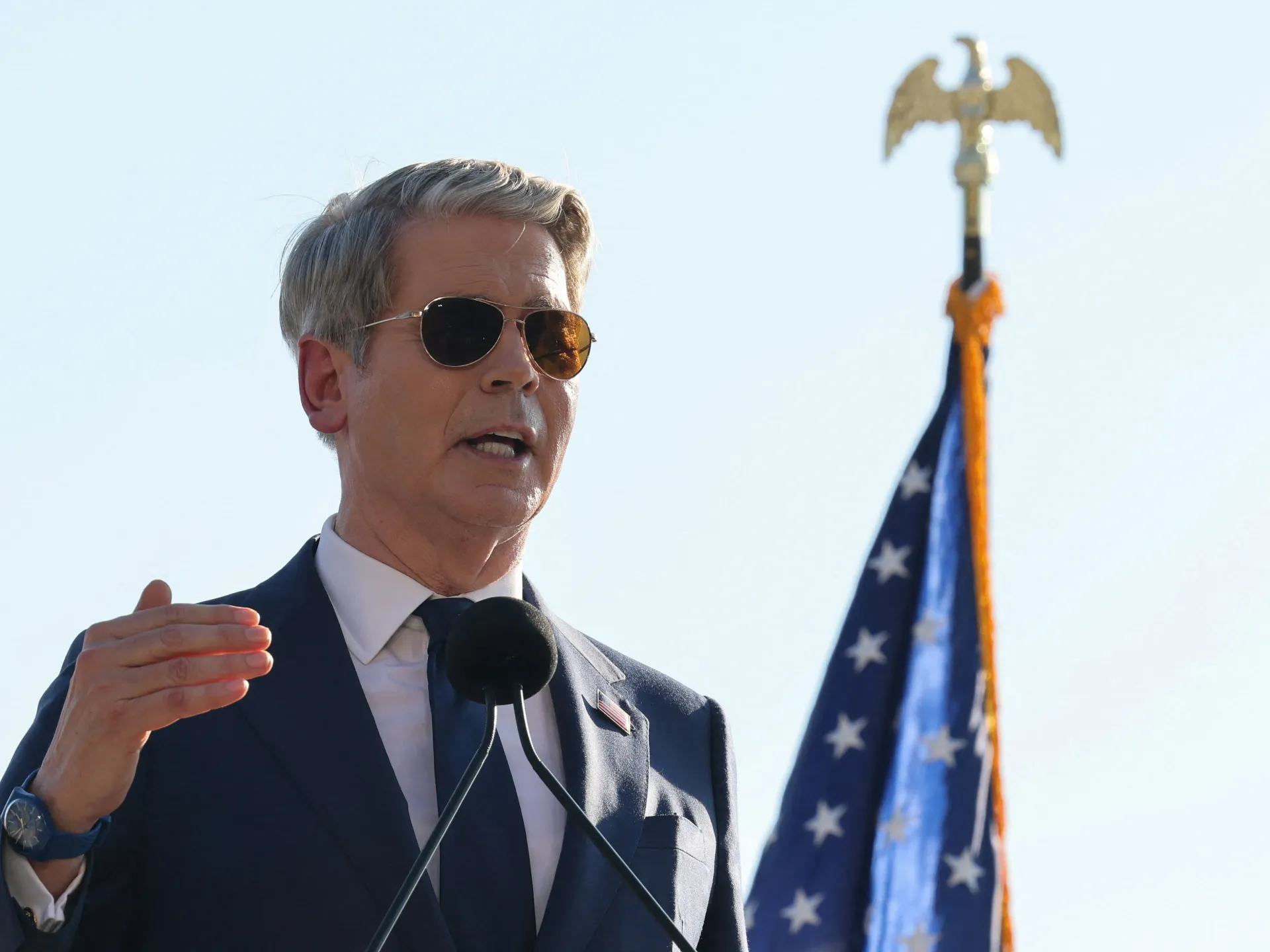
The US Treasury Department has launched a new wave of sanctions targeting Iran's aviation sector, aiming to isolate the country through 'Operation Economic Outcast.'
The United States government has initiated a significant expansion of its economic restrictions on Iran, focusing specifically on the nation's aviation sector. Under the banner of "Operation Economic Outcast," the US Treasury Department has implemented 36 new sanctions targeting a range of private and commercial airlines. This move is designed to further isolate Tehran from the international community and disrupt the logistical networks that the current administration believes are facilitating support for armed groups across the Middle East.
Central to this new wave of penalties is the continued targeting of Mahan Air, a private Iranian carrier that has been under US scrutiny since 2011. Washington has long alleged that Mahan Air serves as a transport arm for the Islamic Revolutionary Guard Corps (IRGC), providing essential logistics for personnel and military equipment. the US is aiming to create a comprehensive blockade that makes it increasingly difficult for any Iranian airline to operate on the global stage.
US Treasury Secretary Scott Bessent emphasized that the strategy serves as a clear warning to global businesses. Any entity found providing financial or operational support to the sanctioned airlines faces the risk of being entirely cut off from the global financial system. This broad reach underscores the administration’s commitment to tightening the economic vice on Tehran, even as existing diplomatic and military tensions remain at an all-time high.
These economic measures arrive against the backdrop of a protracted military conflict that has now exceeded six months. Since the outbreak of hostilities in February 2026, the administration of President Donald Trump has pursued a strategy characterized as an "economic D-Day," attempting to leverage financial power to compel a change in Iranian state behavior. Despite these aggressive measures, the conflict shows few signs of de-escalation, with recent reports indicating continued military engagements, including US strikes on tankers and Iranian retaliatory actions in Jordan.
The Iranian government has dismissed the effectiveness of these latest measures, with Foreign Minister Abbas Araghchi characterizing the reliance on additional sanctions as a sign of failed policy. Tehran maintains that the US is attempting to compensate for its inability to achieve strategic goals through military force. This cycle of sanctions and military friction has created a volatile environment that continues to disrupt regional stability and international commerce.
The long-term impact of these sanctions remains a subject of intense debate among geopolitical analysts. While the US administration views these steps as necessary to degrade the Iranian government's capacity to project power, critics argue that the cumulative effect of such measures has failed to bring about the desired diplomatic breakthroughs. Instead, the persistent pressure has fostered a state of permanent economic confrontation between Washington and Tehran.
A primary concern for the international community remains the stability of energy transit through the Strait of Hormuz. Since the beginning of the war, Iran has restricted passage through this vital maritime chokepoint, leading to significant volatility in global fuel prices. In response, the US has implemented a naval blockade and intensified its efforts to sever Iran’s economic lifelines, including the disruption of aviation parts and logistics services provided stan, and Malaysia.
The reach of these sanctions extends beyond the borders of Iran, aiming to freeze assets held within US jurisdiction for any international company found to be doing business with the blacklisted airlines. This extraterritorial reach is a hallmark of the current US policy, designed to force global corporations to choose between maintaining their operations in the American market or continuing their commercial relationships with the Iranian aviation sector.
As the conflict continues to evolve, the aviation sector has emerged as a high-stakes battlefield. ton is not only aiming to limit the mobility of the Iranian state but also to demonstrate the profound costs associated with supporting its regional policies. Whether these economic maneuvers will eventually influence the trajectory of the war remains the central question for policymakers and global energy markets alike.