

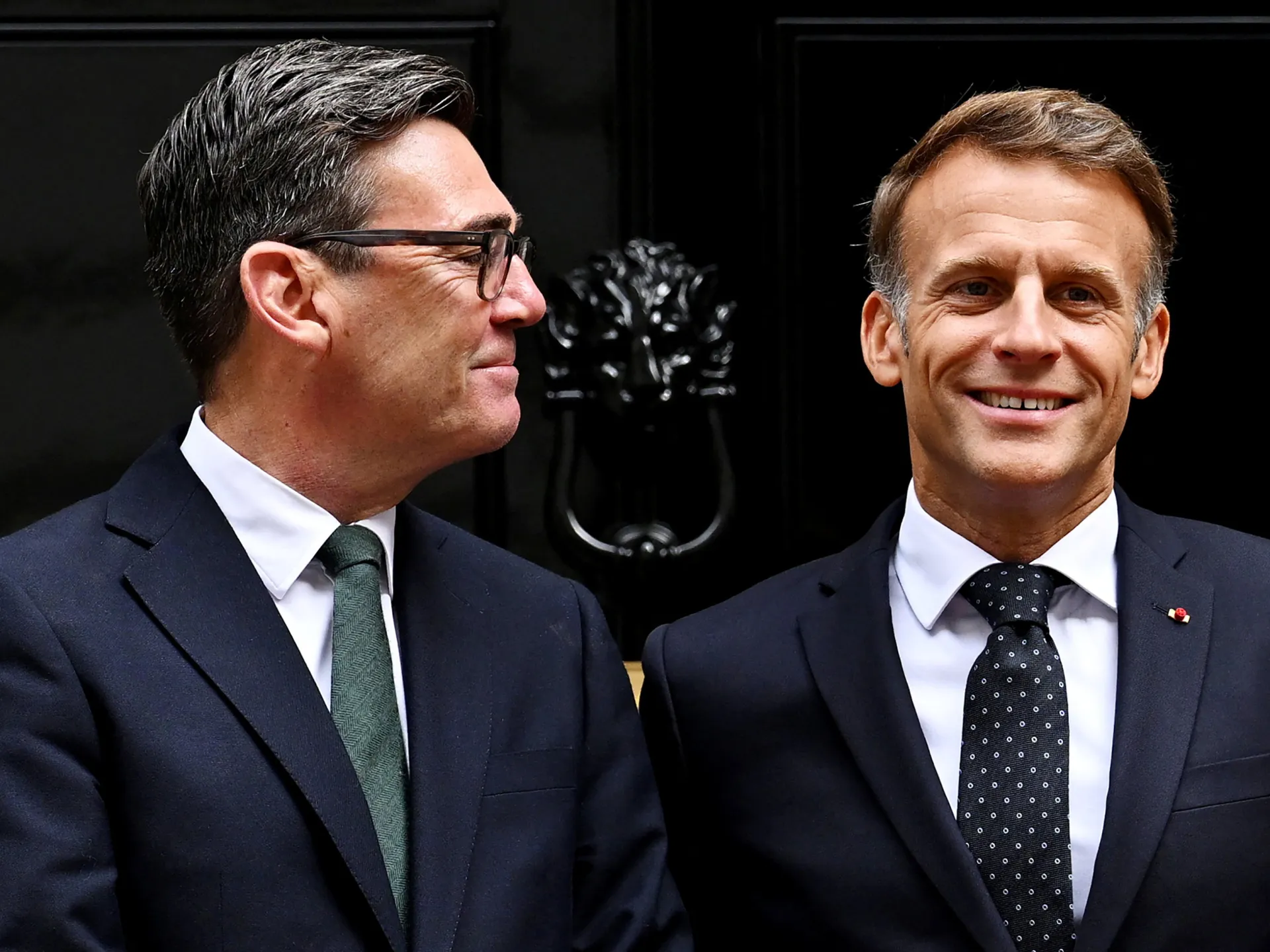
British Prime Minister Andy Burnham and President Emmanuel Macron met in London to discuss curbing illegal migration and aligning on industrial and defense policies.
British Prime Minister Andy Burnham recently hosted French President Emmanuel Macron at Downing Street, marking a significant milestone in international diplomacy. This meeting represented the first time the Prime Minister has welcomed a European leader since assuming office on July 20, succeeding Keir Starmer. The high-level talks focused on a broad agenda, ranging from regional security and the ongoing conflict in Ukraine to the complexities of post-Brexit economic cooperation.
Both leaders emphasized the importance of their bilateral relationship, with President Macron highlighting a strong commitment to fostering closer ties between the two nations. This diplomatic engagement comes at a pivotal time for the United Kingdom as it seeks to navigate the post-Brexit landscape while addressing domestic economic challenges and maintaining regional stability. The dialogue served to reinforce the existing partnership between London and Paris, setting a tone of cooperation for future interactions.
A primary topic of conversation during the summit was the persistent challenge of irregular migration across the English Channel. The leaders reviewed the efficacy of recent strategies, noting that the United Kingdom has experienced its lowest number of small boat arrivals since 2020. Despite this positive trend, both administrations expressed a shared resolve to dismantle the criminal networks that profit from facilitating these dangerous sea crossings.
To bolster these efforts, the French government committed to deploying a specialized "surge team" of 45 officers to western French beaches in the coming weeks. This initiative builds upon a pre-existing agreement established in April. Prime Minister Burnham characterized these efforts as a testament to the progress that can be achieved through sustained collaboration, emphasizing that the focus remains on neutralizing the logistical operations of human trafficking gangs.
Beyond security, the meeting delved into the intricacies of trade and economic policy. Prime Minister Burnham has expressed a desire to pursue a more ambitious relationship with the European Union to stimulate domestic growth, though he remains firm on not rejoining the single market or the customs union. This balancing act requires a delicate approach to trade negotiations that benefits British industry while respecting the constraints of current political mandates.
A point of friction identified during the discussions was the European Union’s "Made in Europe" agenda. This policy, designed to shield the steel industries within the 27-member bloc, has raised concerns in London regarding its potential impact on the struggling British steel sector. The Prime Minister explicitly raised these concerns with President Macron, highlighting how the protectionist measures could create significant hurdles for UK industrial interests. The dialogue underscored the ongoing need for nuanced trade policies that prevent market distortions.
The discussions also extended to regional security, specifically regarding the ongoing war in Ukraine. Building on the recent "Coalition of the Willing" meeting held in Kyiv, the two leaders evaluated strategies for continued support of the Ukrainian government. A major focus of these defense talks was the potential for establishing local assembly lines within Ukraine for the SCALP long-range missile, a system that incorporates advanced British technology.
ingdom and France are signaling a deeper commitment to Ukraine's long-term defense capabilities. This collaborative approach reflects a strategic alignment between the two nations as they continue to play a leading role in European security architecture. The meeting concluded with both parties reaffirming their dedication to maintaining a robust, coordinated response to international threats.