

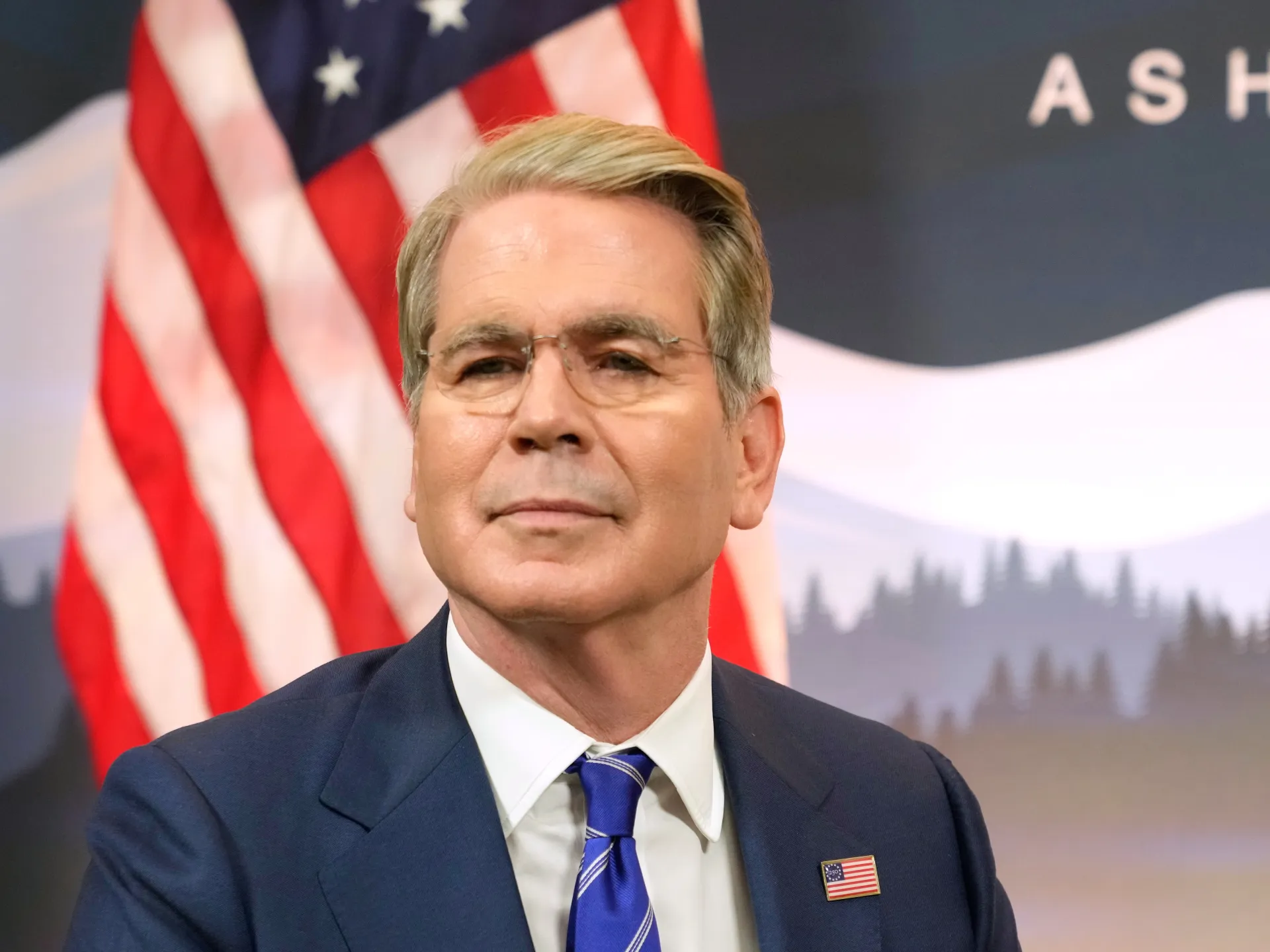
The U.S. Treasury is escalating its campaign against Iran by preparing to sanction another financial institution, aiming to further isolate the regime.
The United States government is preparing to implement a new round of sanctions targeting a specific financial institution as part of a broader effort to exert economic pressure on Tehran. Treasury Secretary Scott Bessent confirmed that these measures are intended to isolate the Iranian regime further while diplomatic efforts regarding truce negotiations remain at a standstill. While the specific name of the targeted bank has not been disclosed, the move signals a tightening of the American strategy to disrupt global financial channels supporting the Iranian government.
This upcoming action follows a recent, significant decision to sever the United Arab Emirates-based operations of Basque Misr from the United States financial system. Washington accused the Egyptian financial institution of facilitating business dealings with Iran, prompting the Treasury to take decisive action. This pattern of targeting banks reflects a strategic shift toward utilizing financial leverage to enforce geopolitical demands, with officials warning that further institutions may face similar consequences if they continue to engage in prohibited transactions with the Iranian state.
The current U.S. policy, internally referred to as "Operation Economic Outcast," focuses on systematically dismantling the networks that allow Iran to generate revenue and procure resources. Secretary Bessent has characterized these efforts as a form of "financial violence," emphasizing that the Treasury is actively monitoring institutions that choose to handle Iranian funds. t operationally impossible for these entities to maintain their ties to Tehran.
Recent weeks have seen a significant escalation in this campaign. Beyond individual banking institutions, the Treasury Department recently applied sanctions to nearly 60 distinct individuals and entities. These parties are accused of participating in complex networks designed to circumvent international restrictions, specifically erations. As the standoff persists, officials have indicated that these types of targeted sanctions will occur with increasing frequency.
The intensifying economic campaign coincides with a resurgence of direct hostilities. Following a period of relative calm since late July, military friction resumed recently with missile strikes on U.S. bases in Jordan, which followed a prior American strike on Larak Island. These developments have complicated the diplomatic landscape, making the upcoming Group of 20 finance leaders meeting in Asheville, North Carolina, a critical venue for the United States to rally international support for its containment strategy.
During these G20 proceedings, Secretary Bessent intends to hold bilateral discussions with various global counterparts to encourage a unified front against Iranian influence. A significant portion of these discussions will focus on China, a major trading partner of Iran. While Bessent has stated that "all options are on the table" regarding potential sanctions against Beijing for its continued trade with Tehran, he maintains that the U.S. and China common goals, specifically regarding the security of the Strait of Hormuz and the prevention of nuclear proliferation in the region.
The Iranian government has consistently dismissed the efficacy of these economic measures. Ali Madanizadeh, the Iranian Minister of Finance and Economic Affairs, has publicly rejected the latest rounds of sanctions, asserting that they will ultimately fail to achieve their intended political outcomes. Despite the rhetoric from Tehran, the American strategy remains focused on the premise that sustained economic isolation will eventually force a change in Iran's behavior or compliance with international demands.
As the U.S. continues to push its agenda, the global financial community faces increasing pressure to choose between the benefits of the American market and the profits derived from trade with Iran. ime, the Treasury is attempting to force a global compliance standard. Whether this strategy will succeed in breaking the current diplomatic stalemate or merely solidify the resolve of the targeted regime remains a central question for international observers and market analysts alike.