

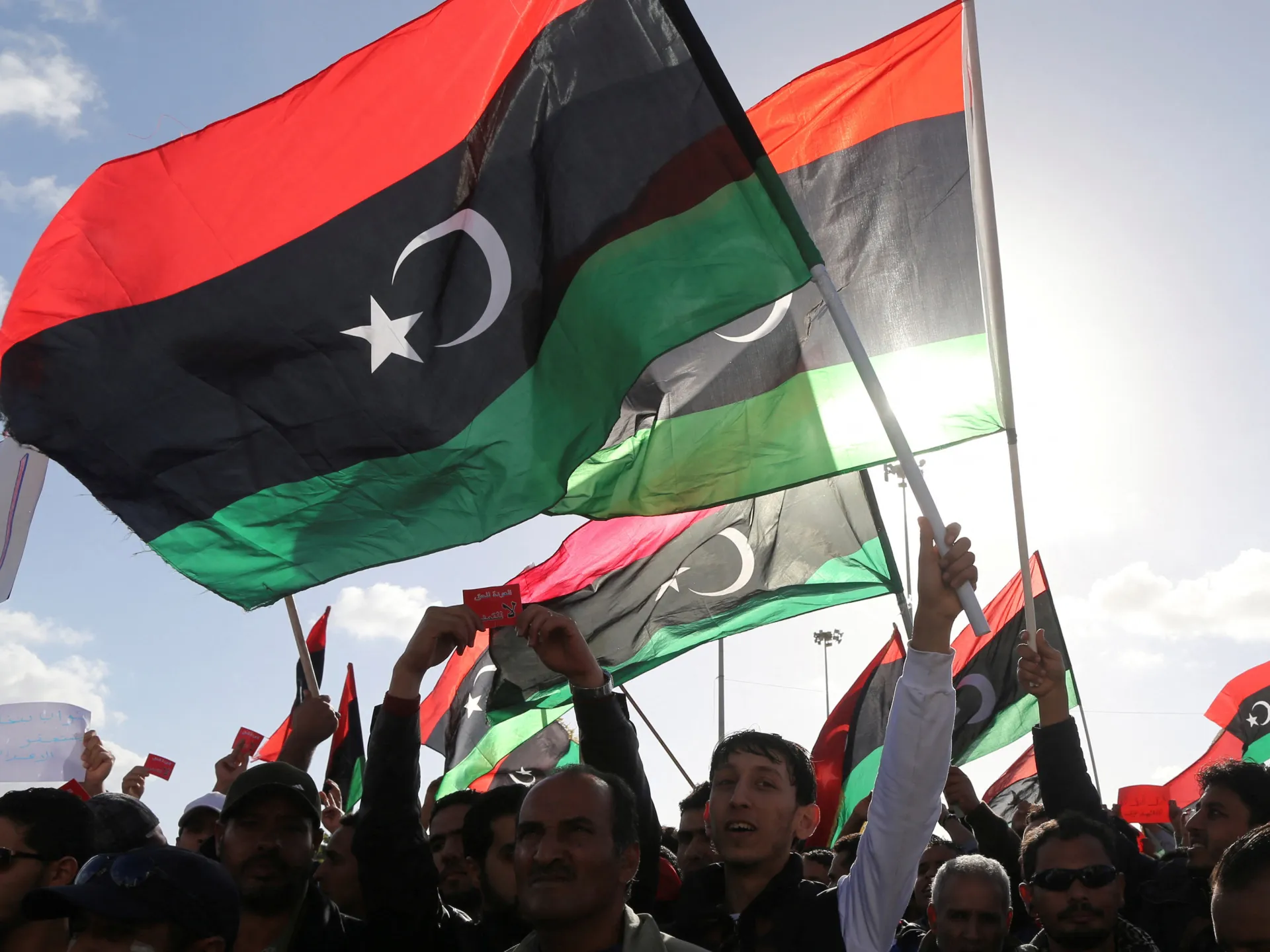
Libya’s rival political factions have reached a landmark agreement to hold national elections within 24 months, aiming to end years of institutional division.
In a significant development aimed at resolving the protracted political deadlock that has gripped the nation for over a decade, representatives from Libya’s rival governing factions have officially signed an agreement to conduct national elections. This accord, finalized in Tripoli under the auspices of the United Nations Support Mission in Libya (UNSMIL), establishes a concrete timeline for both legislative and presidential polls. According to the terms of the deal, the voting process is set to occur under a unified executive authority within a period not exceeding 24 months.
The agreement follows intense negotiations between the “4+4 committee,” a group comprised of four delegates from the eastern-based House of Representatives and four members of the High Council of State, which maintains ties to the internationally recognized Government of National Unity in Tripoli. The signing in the capital follows an initial draft that was successfully negotiated in Tunis earlier in August. This diplomatic breakthrough marks a potential turning point for a country that has struggled with fragmented governance and institutional instability since the 2011 uprising.
The roadmap outlined in the agreement includes a structured approach to ensure the transition proceeds as planned. Officials have indicated that a framework for monitoring the implementation of the deal must be established within one month of the signing. This monitoring body will work closely with international partners, including the United Nations, to ensure that both sides adhere to the commitments made during the recent talks. historically hindered electoral progress in the region.
A critical clause within the agreement provides a safeguard against potential legislative stagnation. If the House of Representatives and the High Council of State fail to formally ratify the deal within the next 30 days, the agreement is slated to be adopted at the national level through the UN Security Council. This provision is designed to prevent individual political bodies from unilaterally stalling the process, thereby reinforcing the international community's commitment to seeing a democratic transition take root in the North African nation.
Despite the optimism surrounding the signing ceremony, deep-seated skepticism remains among analysts and citizens alike. Libya has been effectively partitioned between two competing administrations since 2014, with each side maintaining its own security apparatus and bureaucratic structures. The fundamental challenge of determining which entity will hold executive power during the interim period remains unresolved. Because the interim authority will have control over the nation’s vast natural resources and influence over a volatile security landscape, the competition for influence is expected to remain intense throughout the two-year window.
Since the collapse of the Gaddafi regime in 2011, various international mediators have attempted to unify the country’s fractured institutions, yet these efforts have frequently faltered. Previous attempts to organize presidential elections were derailed d the presence of armed groups. While this new agreement provides a clear path forward, the success of the initiative will ultimately depend on the political will of the rival factions to prioritize national stability over individual power gains. The coming months will be a litmus test for whether these leaders can navigate the complexities of power-sharing while moving toward a truly representative government.