

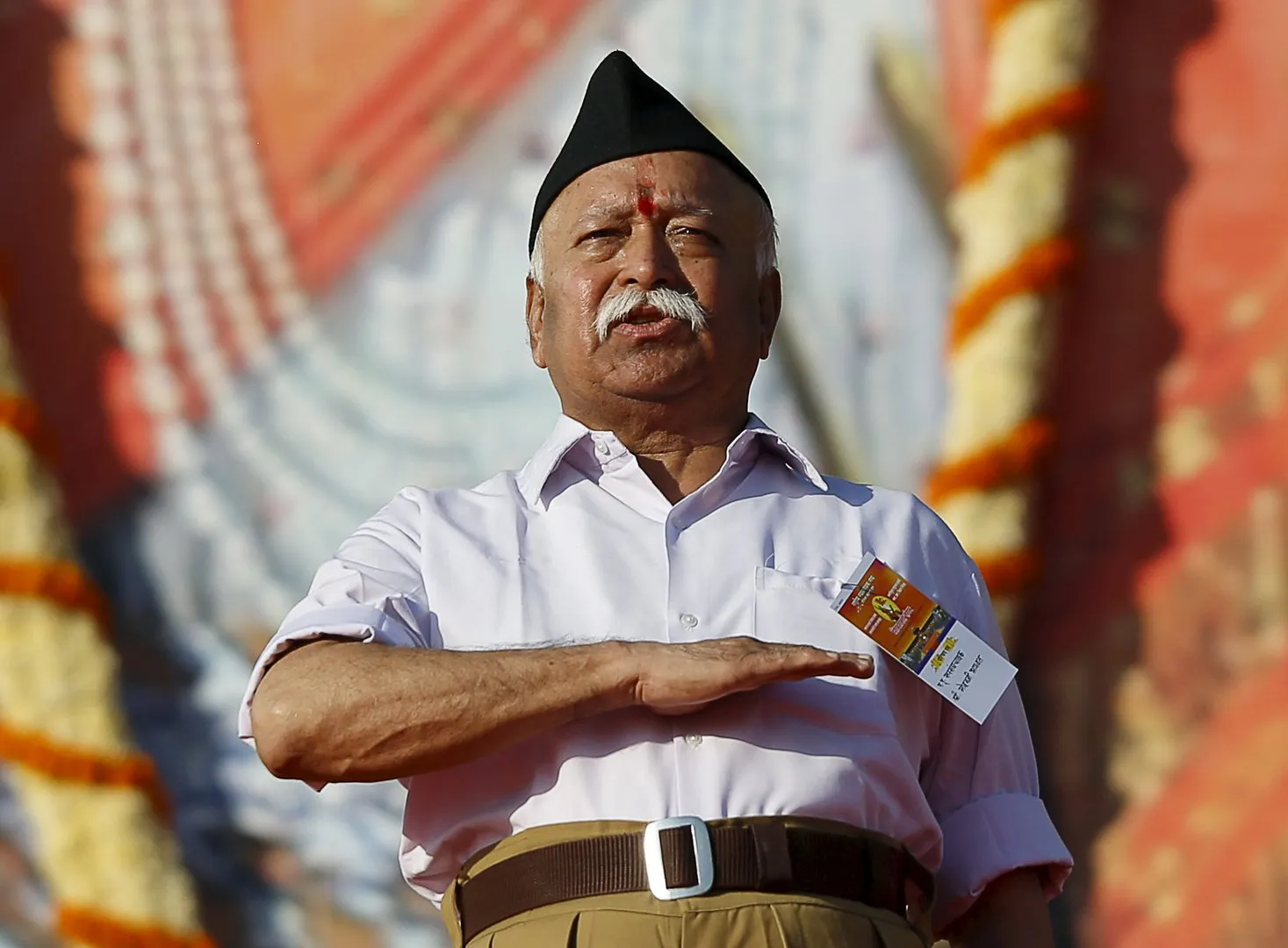
Protests have emerged in New York as RSS leader Mohan Bhagwat arrives for a visit, with human rights groups calling for his visa to be revoked due to concerns over Hindu nationalist ideology.
The scheduled visit of Mohan Bhagwat, the chief of the Rashtriya Swayamsevak Sangh (RSS), to the United States has ignited a firestorm of controversy. Bhagwat, a prominent figure in Indian political and social spheres, is slated to address audiences in New York, a move that has drawn significant attention from both supporters and detractors. The visit has served as a flashpoint for ongoing debates regarding the influence of Hindu nationalism on the global stage and its implications for democratic values and human rights.
As news of the visit circulated, human rights organizations and advocacy groups mobilized to register their strong opposition. These groups argue that the ideology championed . Protesters have gathered to express their concerns, highlighting what they describe as a dangerous shift in the political landscape of India and its potential impact on religious minorities abroad.
At the center of the protest movement is the Rashtriya Swayamsevak Sangh itself, an organization that has long been the subject of intense scrutiny. Critics often point to the group’s foundational philosophy, which promotes an ideology centered on Hindu nationalism. While supporters view the organization as a cultural and social force dedicated to the preservation of Indian heritage, opponents characterize it as a divisive entity that fosters intolerance and targets marginalized communities.
The debate surrounding the RSS is deeply rooted in India’s complex socio-political history. Those protesting the visit emphasize that the organization's influence has historically led to communal tensions. ze extremist rhetoric within the Indian diaspora, thereby undermining the efforts of inclusive community organizations that have worked for years to bridge cultural and religious divides.
The opposition to Bhagwat’s trip has extended beyond street protests, reaching the halls of policy and governance. Several prominent religious freedom organizations have formally petitioned for the revocation of his US visa. These groups argue that permitting entry to individuals associated with organizations that advocate for exclusionary nationalist agendas contradicts the United States' stated commitment to protecting international religious freedom and human rights.
The call for visa revocation represents a significant escalation in the diplomatic pressure surrounding the visit. versation about the intersection of foreign policy and human rights accountability. Whether or not the government takes action on these requests, the very existence of such a campaign demonstrates the heightened sensitivity surrounding the activities of international political figures and the growing influence of diaspora activism in shaping global diplomatic discourse.
Beyond the immediate controversy of this specific visit, the event highlights a broader trend of increased polarization within the Indian diaspora in the West. As political developments in India become increasingly linked to global discussions on civil liberties, community members are finding themselves on opposing sides of a deep ideological divide. This friction is not merely a reflection of domestic Indian politics but a manifestation of global debates over the role of nationalism in modern, multicultural societies.