

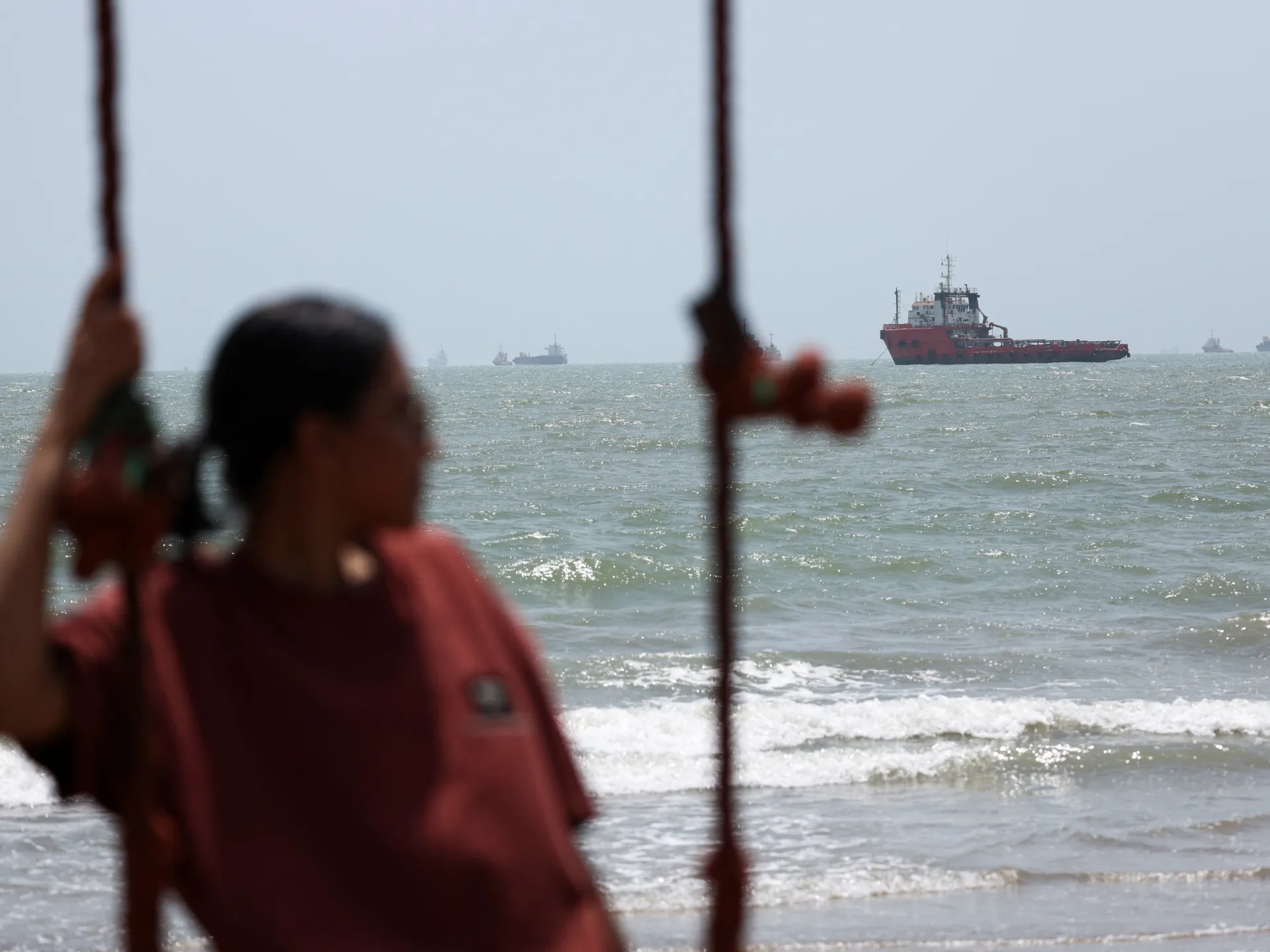
Tehran has clarified that new transit agreements with Oman do not signal an end to the closure of the Strait of Hormuz, maintaining regional maritime tensions.
Tehran has officially confirmed that recent bilateral agreements regarding maritime navigation routes near Oman do not signify a broader reopening of the Strait of Hormuz. Despite diplomatic efforts aimed at establishing specialized transit corridors, Iranian officials emphasize that the strategic waterway remains effectively closed to standard international commercial traffic. This stance underscores the persistent volatility in the region and the complexities surrounding maritime security.
The announcement serves as a direct rebuttal to speculation that a recent deal with Muscat might lead to a de-escalation of tensions in the shipping corridor. rategic intent to exert influence over one of the world's most critical energy chokepoints. International observers note that while technical discussions regarding specific routes have occurred, the overarching policy of closure remains the primary operational reality for vessels attempting to navigate the area.
The Strait of Hormuz serves as a vital artery for the global energy market, with a significant percentage of the world’s liquefied natural gas and oil passing through its narrow confines daily. The ongoing restriction of this route has created substantial uncertainty for shipping companies, insurers, and energy markets worldwide. As Iran continues to assert control over these waters, the international community faces growing challenges in maintaining the flow of essential commodities while navigating a precarious geopolitical landscape.
Historically, the strait has been a focal point for regional disputes, and its closure status highlights the leverage that Tehran maintains over global trade. The ability to dictate terms of passage, even through limited agreements with neighboring nations like Oman, allows Iran to assert its regional dominance. Consequently, the maritime industry has been forced to adapt to a high-risk environment, with many operators seeking alternative logistics solutions that bypass the volatile waterway entirely.
The negotiations with Oman represent a nuanced approach to regional diplomacy, yet they appear insufficient to resolve the broader maritime standoff. While Oman has historically played the role of a mediator in Middle Eastern conflicts, the current situation demonstrates the limitations of bilateral talks in the face of deep-seated security concerns. Tehran’s insistence that these discussions do not equate to an open-door policy highlights the disconnect between diplomatic engagement and operational maritime reality.
Security analysts monitoring the situation suggest that the closure is not merely a temporary measure but a calculated element of Iran’s broader defensive and political posture. As long as the strait remains under restricted access, the risk of miscalculation or accidental escalation remains high. The international community continues to call for freedom of navigation, but without a significant shift in Tehran’s policy, the current status quo is expected to persist, keeping global shipping logistics under intense pressure.
As the international community watches the situation unfold, the potential for long-term economic impacts grows. Energy prices remain sensitive to any news regarding the strait, and the uncertainty surrounding Iran’s intentions ensures that market volatility will likely continue. Shipping firms are increasingly cautious, with many choosing to reroute vessels through longer, more expensive paths to avoid the risks associated with the Strait of Hormuz.