

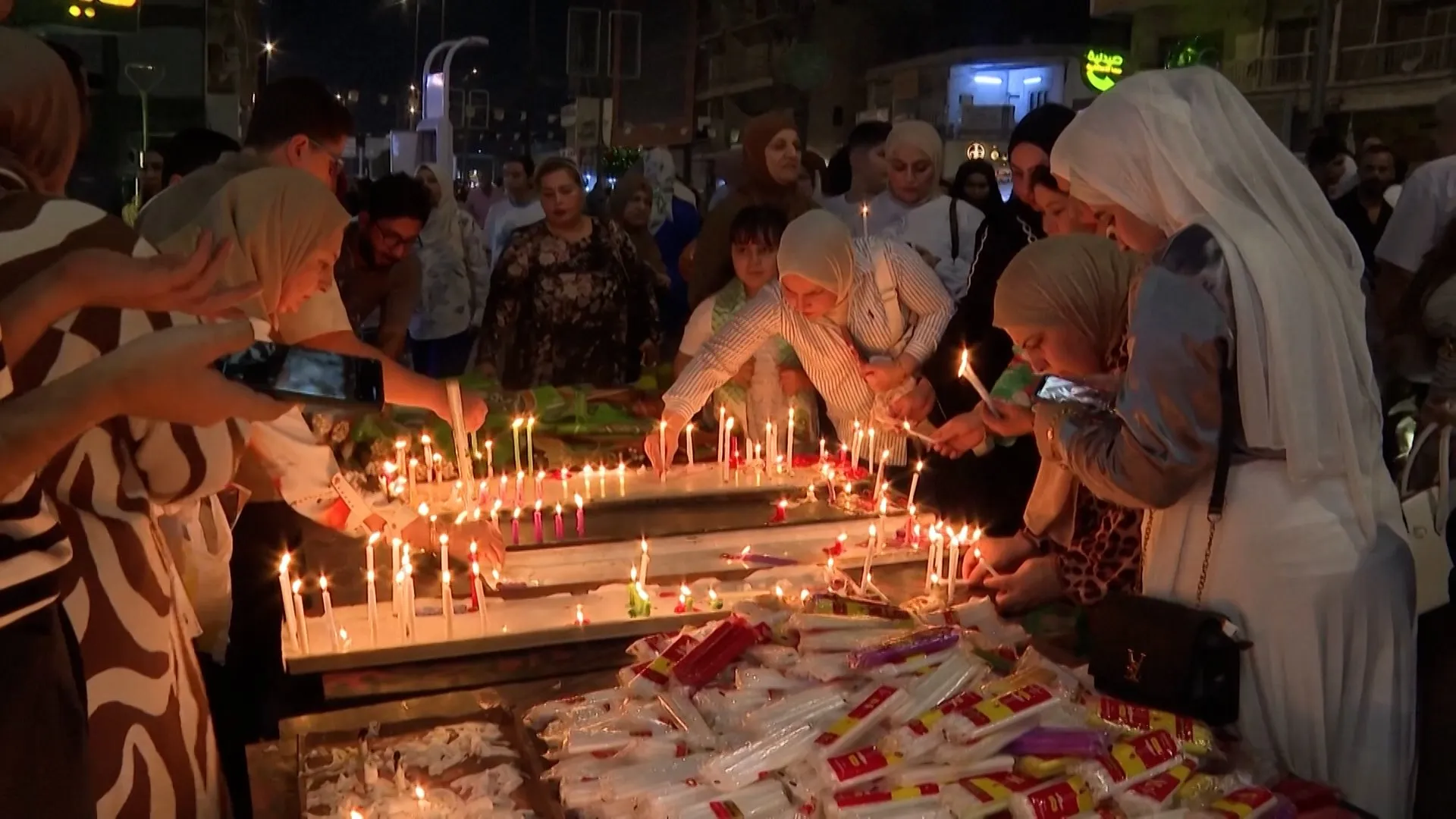
Muslims across the globe are observing Mawlid al-Nabi, a traditional celebration honoring the birth and teachings of Prophet Muhammad.
Across various nations, Muslim communities have recently marked the occasion of Mawlid al-Nabi, a traditional observance dedicated to the birth of Prophet Muhammad. This annual event serves as a period of reflection, spiritual renewal, and communal gathering for millions of adherents worldwide. While the specific customs can vary significantly depending on regional traditions and cultural interpretations, the core sentiment remains a collective focus on the teachings and the life of the central figure of Islam.
In countries such as Iraq, Libya, and Morocco, the atmosphere has been one of reverence and joy. Streets and mosques have become focal points for public displays of faith, where participants engage in organized processions and communal prayer. These events are not merely social gatherings but are deeply rooted in the desire to honor the historical impact of the Prophet and to reaffirm commitment to the values he established centuries ago.
The celebration of Mawlid al-Nabi is characterized rld. In some regions, the day is marked f the Prophet. These recitations are often accompanied ixed with celebratory fervor. In other areas, the focus is placed heavily on acts of charity and the distribution of food to those in need, emphasizing the Prophet’s known commitment to social welfare.
Public life in many of these nations often shifts to accommodate the festivities. Processions wind through city centers, featuring banners and songs that celebrate the Prophet’s legacy. The sight of large crowds gathering in urban hubs highlights the enduring importance of this date within the Islamic calendar. Despite the variations in how the day is observed, the underlying intent is consistent across borders: to reflect on the moral guidance and historical contributions of the Prophet Muhammad within the context of contemporary life.
Beyond the festive processions and public displays, Mawlid al-Nabi provides an essential opportunity for spiritual introspection. For many followers, the day serves as a reminder to emulate the kindness, patience, and leadership traits associated with the Prophet. Mosques often host special sermons that focus on the history of early Islam, encouraging congregants to integrate these lessons into their personal lives and their interactions with the broader community.
This period of celebration also acts as a vital link between generations. Elders pass down stories and oral traditions to younger members of the community, ensuring that the historical narrative remains vibrant and relevant. bonds, reinforcing a sense of unity that transcends individual differences. The collective experience of the holiday serves to fortify the cultural identity of these communities while providing a structured time for peace and contemplation.
In an increasingly interconnected world, the celebration of Mawlid al-Nabi continues to evolve. While traditional practices remain at the heart of the holiday, modern communication tools and social media have allowed for a more globalized sharing of the experience. Images and videos of gatherings in places like Morocco or Iraq are now frequently shared across international platforms, fostering a sense of solidarity among Muslims living in different parts of the globe.
This digital visibility does not diminish the local nature of the festivities but rather expands the reach of the message of unity that the day promotes. As communities continue to honor this historic birthday, the focus remains on the enduring relevance of the Prophet’s teachings in the modern era. Whether through quiet prayer at home or large-scale public processions, the observance continues to be a cornerstone of the Islamic faith, emphasizing themes of compassion, justice, and community service.